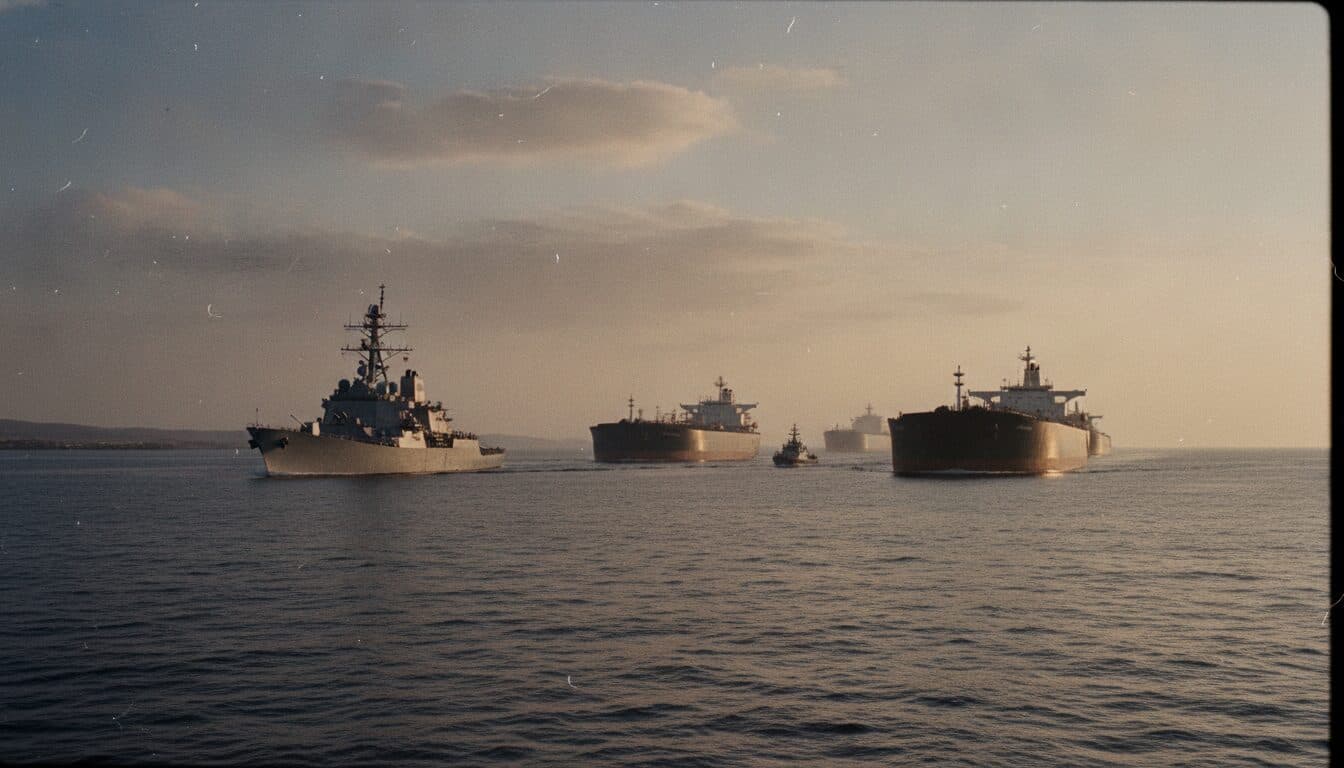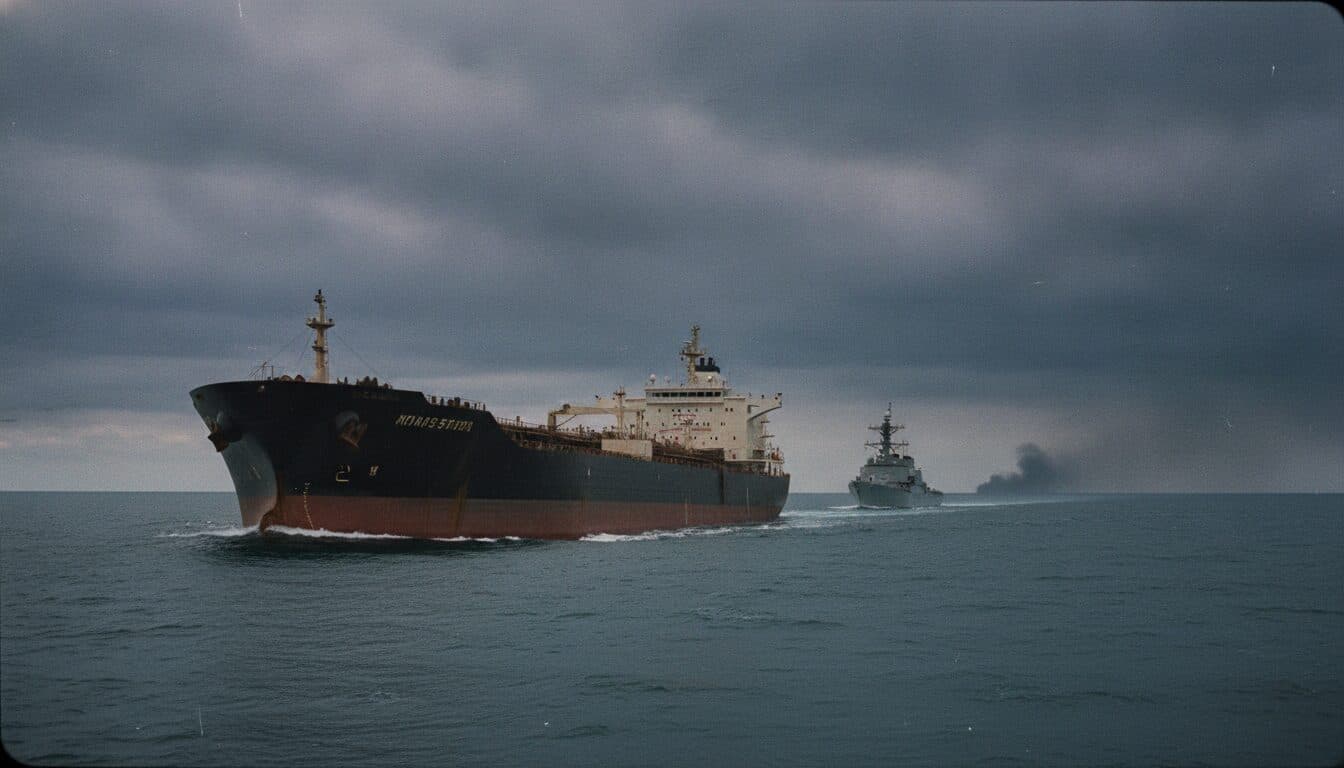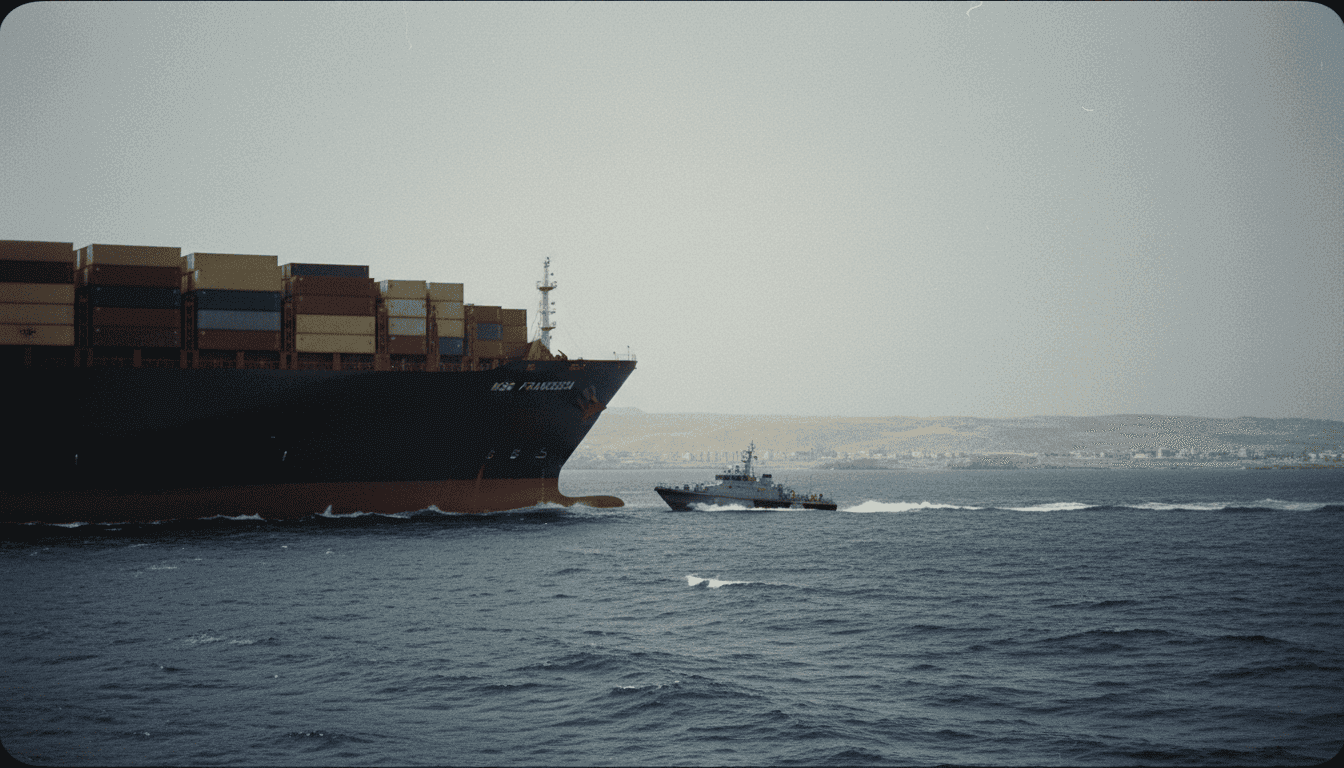
The fragile hopes for de-escalation in the Middle East have been shattered, as Iran’s Islamic Revolutionary Guard Corps (IRGC) seized two commercial container ships, the MSC Francesca and the Epaminondas, in the Strait of Hormuz on Wednesday, April 22, 2026. This aggressive maneuver occurred mere hours after U.S. President Donald Trump announced an indefinite extension of a ceasefire with Iran, intended to pave the way for peace talks. The incident immediately heightened tensions in a critical global shipping lane, sending shockwaves through international trade and oil markets.
The IRGC asserted that the Panama-flagged MSC Francesca and the Liberia-flagged Epaminondas were directed to Iranian shores for “operating without the required authorisation and for manipulating navigation systems,” which they claimed “jeopardised maritime security.” In a defiant statement, the IRGC declared that “disrupting order and safety in the strait of Hormuz is our red line.” This action marks the first time Iran has seized commercial vessels since the current conflict began on February 28, representing a significant escalation in its attempts to assert control over the vital waterway.
Reports from the UK Maritime Trade Operations (UKMTO) and the BBC indicate that at least three vessels came under attack in the Strait of Hormuz on Wednesday. The MSC Francesca, operated by Mediterranean Shipping Co (MSC), was confirmed by Iranian state media to have been seized and transferred to the Iranian coast. The Epaminondas, owned by Greece’s Technomar Shipping and also operated by MSC, was reportedly fired upon off the coast of Oman by an IRGC gunboat, sustaining “heavy damage to the bridge.” While the Greek Ministry of Shipping initially denied the seizure, AIS tracking data showed both the Epaminondas and the MSC Francesca drifting near the Iranian coast, with the Epaminondas reportedly en route to Mundra port in Gujarat, India.
Adding to the chaos, a third vessel, the Euphoria, a Panama-flagged ship, was also reportedly attacked. Maritime security firm Vanguard Tech stated its master reported the ship had stopped in the water after being fired upon. The Euphoria later resumed sailing towards the Gulf of Oman. These coordinated actions by Iran have ignited fears of a broader conflict and have cast a long shadow over the future of maritime commerce in the region.
<
Impact on Global Trade and Oil Markets
The immediate impact of the Iran ship seizures has been a dramatic surge in global oil prices. Brent crude, a key international benchmark, is now nearing $100 per barrel, representing a staggering 35% increase from pre-war levels. The Strait of Hormuz is a critical chokepoint through which approximately one-fifth of global oil production flows, making any disruption here a matter of grave concern for energy markets worldwide. The European Union energy commissioner, Dan Jørgensen, estimated the ongoing disruption is costing Europe around $600 million USD each day, underscoring the severe economic fallout.
Beyond oil, the seizure of container ships like the MSC Francesca and Epaminondas has significant implications for global supply chains. Container shipping is the backbone of international trade, transporting everything from electronics to consumer goods. Disruptions in this vital artery will inevitably lead to increased shipping costs, longer transit times, and potential shortages of goods, ultimately impacting consumers and businesses across the globe. Insurers are likely to raise premiums for vessels transiting the Strait, further burdening shipping companies and adding to the cost of trade.
“The seizure of these vessels in the Strait of Hormuz is a direct challenge to international maritime law and a clear signal that Iran is willing to escalate tensions despite diplomatic overtures. This will undoubtedly lead to a repricing of risk across multiple asset classes, from energy to global logistics.”
The incident also puts immense pressure on diplomatic efforts. The U.S. naval blockade of Iranian ports, imposed on April 12 after initial peace talks failed, remains in effect, forcing at least 28 vessels to turn back. Iran’s foreign ministry had previously declared that “blockading Iranian ports is an act of war and thus a violation of the ceasefire.” The latest seizures are a direct response to this perceived aggression, effectively shattering the fragile ceasefire and escalating the tit-for-tat actions.
The Frail Ceasefire and Future Prospects
President Trump’s announcement of an indefinite extension to the two-week ceasefire on Tuesday, April 21, 2026, was made at Pakistan’s request, with the aim of allowing Iran’s leadership time to formulate a “unified proposal” for peace talks. Pakistan, which mediated the first round of talks, was expected to host a second round in Islamabad within 36 to 72 hours. However, Iran’s response to the ceasefire extension has been mixed, at best.
While Iran’s foreign ministry spokesperson Esmaeil Baghaei “appreciated” Pakistan’s efforts, Iranian state broadcaster IRIB reported that Tehran had not issued any official statement confirming its agreement to extend the ceasefire. More tellingly, an advisor to Iran’s main negotiator, Mahdi Mohammadi, posted on X that “Trump’s ceasefire extension means nothing, the losing side cannot dictate terms.” This sentiment, coupled with the swift and decisive action in the Strait of Hormuz, suggests a deep-seated resistance within parts of the Iranian establishment to any perceived concessions.
The future implications are grim. The Iran ship seizures have drastically reduced the likelihood of successful peace talks in the immediate future. The U.S. will face increased pressure to respond to Iran’s actions, potentially through further sanctions or a more robust military presence in the region. Iran, on the other hand, appears determined to leverage its control over the Strait of Hormuz to gain concessions and challenge the existing U.S. naval blockade.
For investors and businesses, the volatility in the Middle East translates into continued uncertainty. Energy companies will need to factor in higher shipping costs and potential supply disruptions. Logistics firms face heightened risks and increased insurance premiums. Governments worldwide will be grappling with the twin challenges of maintaining global trade flows and preventing a wider regional conflict.
Key Takeaway: Navigating a New Era of Volatility
The seizure of the MSC Francesca and Epaminondas in the Strait of Hormuz marks a dangerous new chapter in the standoff between Iran and the West. It underscores the fragility of diplomatic efforts when confronted with entrenched geopolitical rivalries and economic pressures. For global markets, this incident signals a prolonged period of volatility, particularly in energy and shipping. Businesses must now brace for sustained higher operating costs and potential supply chain disruptions, while governments scramble to de-escalate a situation that threatens global economic stability and peace.