TEHRAN – Iran’s economy is in freefall, grappling with a severe and multifaceted crisis exacerbated by persistent war damage, a record-breaking internet blackout, and runaway inflation. The confluence of these factors has created a dire humanitarian and financial situation, placing immense pressure on ordinary Iranian families and raising concerns about regional stability and global trade.
As of April 25, 2026, Iran has endured a continuous internet blackout for an unprecedented 57 days, a digital iron curtain that descended on February 28, 2026. This marks the longest nationwide internet disruption ever recorded, severing international connectivity for over 1,300 hours and reducing network access to a mere 1-2% of normal levels. The economic fallout from this prolonged outage is staggering, with direct daily losses estimated at $30 million to $40 million, while indirect effects push that figure to an astounding $70 million to $80 million per day. Businesses, from small online vendors to larger enterprises, are crippled, disrupting sales, payment systems, logistics, and customer communications. The blackout has led to an estimated loss of 130,000 direct jobs and 600,000 indirect jobs, with online sales reportedly plummeting by 80%.
Beyond the digital darkness, a relentless wave of inflation is eroding the purchasing power of the Iranian Rial. Official inflation rates stand at around 68% as of April 2026, with the International Monetary Fund (IMF) projecting it to reach approximately 69% for the current calendar year – a level not seen since World War II. Point-to-point inflation has already surged past 70%, creating a daily squeeze for households. Prices for essential imports, food, transport, and medicine are skyrocketing, with wages failing to keep pace. Meat prices, a staple for many, have reached unprecedented levels, with lamb and beef selling for between 1.6 million and 1.9 million toman per kilogram, making basic food purchases an impossibility for those on minimum wage.
The Iranian Rial has suffered significant depreciation, further compounding the crisis. The US dollar, recently trading for 155,000 tomans, surged to 1,552,000 Iranian Rials against the dollar on April 25, 2026. This dramatic devaluation further erodes domestic purchasing power and inflates the cost of imported goods. The rial had already lost more than 20% of its value in less than 20 days by the end of 2025, signaling a deep-seated currency instability.
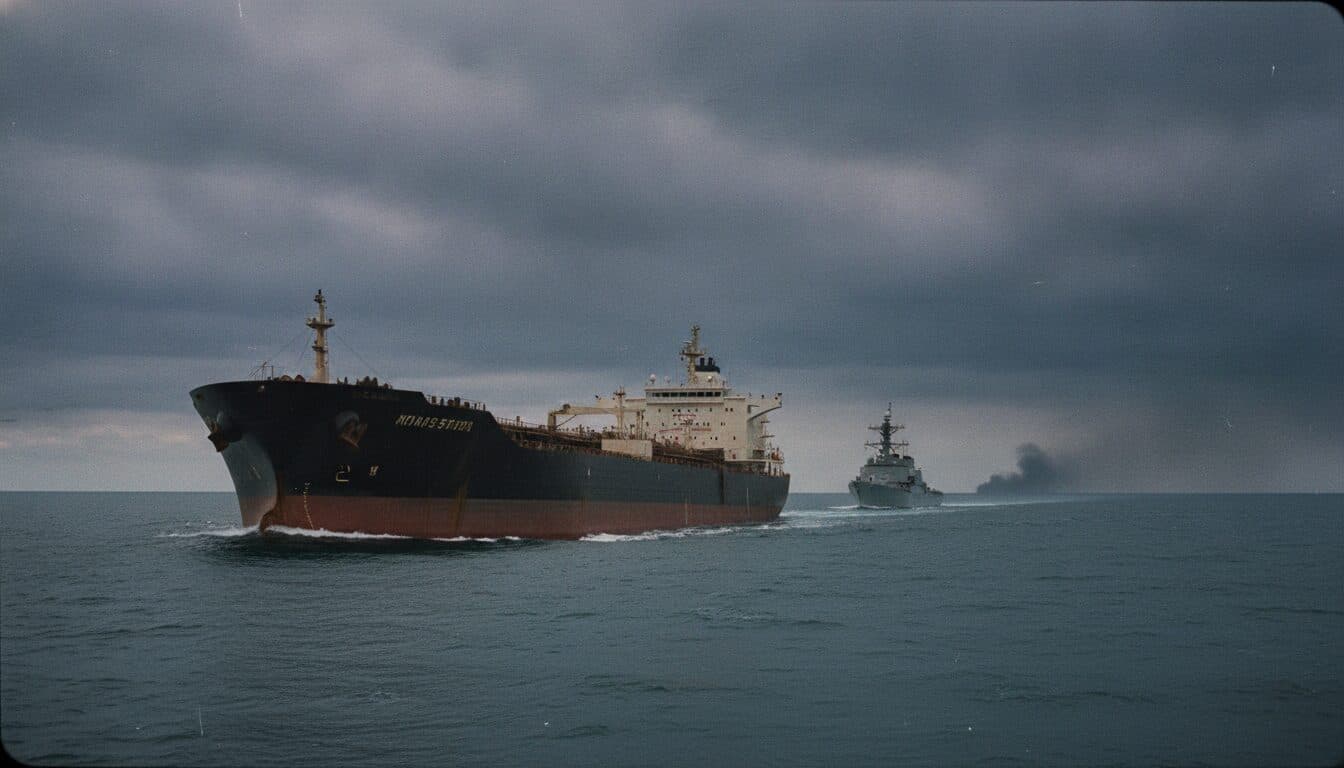
The ongoing conflict has inflicted an estimated $270 billion in war-related damage to jobs and infrastructure. This continuous conflict also contributes to global price surges, particularly in oil, which in turn drives up transportation costs and the price of goods within Iran. The broader labor market, already weak, has been further decimated. The crisis has spread from small firms and online sellers to larger companies, triggering widespread layoffs across sectors heavily dependent on constant connectivity, including e-commerce, logistics, technology, media, education, and service industries.
“The layered collapse of Iran’s economy, fueled by internet blackouts and hyperinflation, is creating a humanitarian crisis with profound implications for regional stability.”
The state’s response has prioritized control over economic recovery. The government’s “tiered internet model” or “Internet Pro” initiative requires vocational identity verification and an activation fee of 2,780,000 tomans, effectively making global internet access unaffordable for the general public. Data on filtered international platforms is five times more expensive than data for state-approved domestic sites. While some reports suggest authorities have begun restoring internet access to “favored groups,” the majority of the populace remains disconnected, further exacerbating the economic hardship.
The current economic crisis is not an isolated event but a chain reaction of war damage, internet restrictions, hyperinflation, and state policies. This situation is creating a level of hardship now acknowledged even by state-linked voices. The compounding economic pressures are fostering social anger, raising significant concerns about long-term stability. Some senior Iranian officials have reportedly warned that the economic crisis is unsustainable, making serious negotiations with the United States over Iran’s nuclear program unavoidable. The IMF has revised its forecast for Iran’s economic growth to a negative 6% for 2026.
The deepening Iran economic crisis presents a formidable challenge for the international community. The humanitarian toll is immense, with millions facing unprecedented financial hardship and restricted access to information. For global investors and policymakers, Iran’s economic collapse signals increased volatility in an already sensitive region, impacting oil markets, trade routes, and the broader geopolitical landscape. The confluence of internal strife and external pressures suggests that the situation in Iran will remain a critical point of focus in the coming months, with potential for further destabilization if effective solutions are not found.