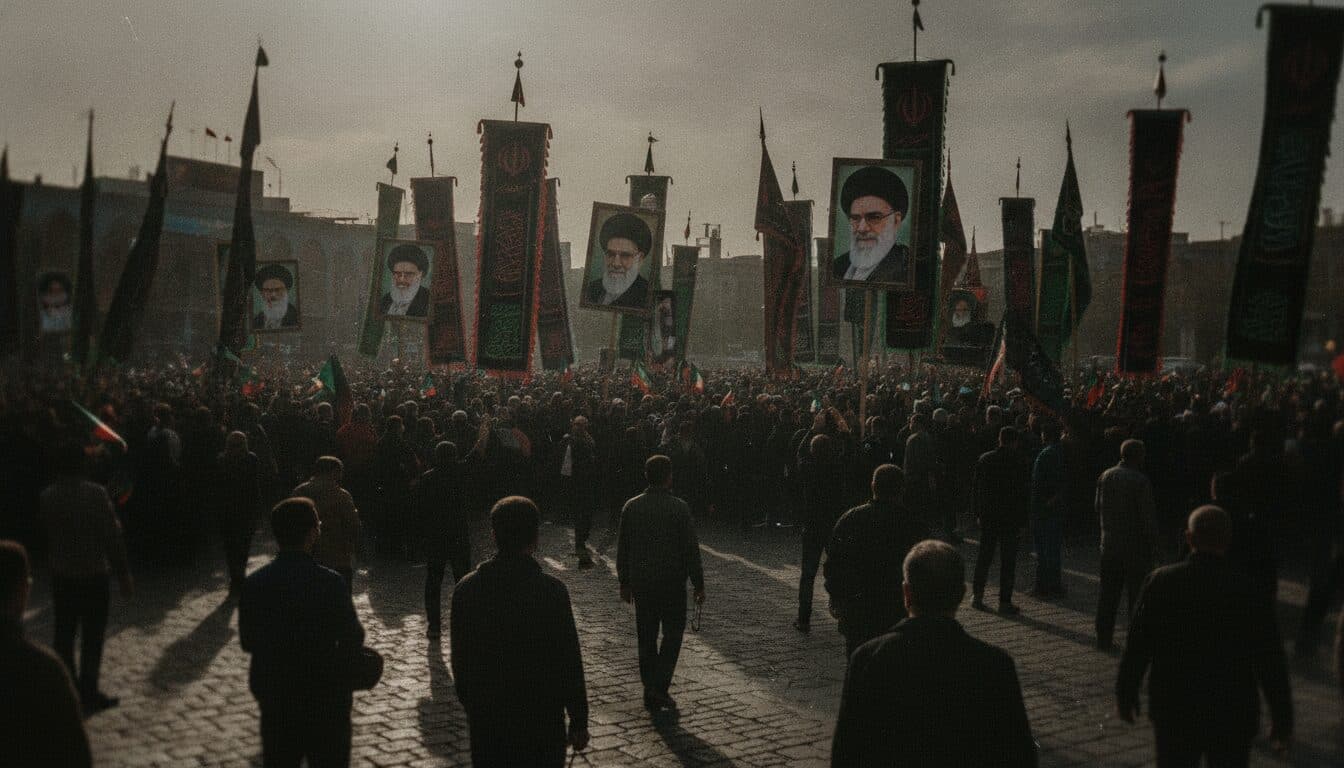
A days-long funeral ceremony has begun in Iran for its slain Supreme Leader, Ayatollah Ali Khamenei, drawing millions of mourners and focusing global attention on a nation already grappling with an active war and volatile regional dynamics. The elaborate processions, spanning multiple cities in Iran and neighboring Iraq, underscore the profound geopolitical shift triggered by Khamenei’s death and the ongoing 2026 Iran War.
Ayatollah Ali Khamenei, 86, was killed on February 28, 2026, in a joint US-Israeli airstrike on his compound in Tehran. The attack also claimed the lives of his daughter, son-in-law, grandson, and several senior Iranian officials. Originally slated for March, the funeral was postponed as the conflict intensified. Now, from July 3 to July 9, the nation observes a period of public mourning, culminating in his burial in Mashhad on July 8. Processions have already drawn massive crowds in Tehran on July 3-4, and are scheduled for Qom on July 5, Najaf and Karbala, Iraq, on July 7, before reaching Mashhad.
Khamenei Funeral Takes Place Amid Strait of Hormuz Standoff
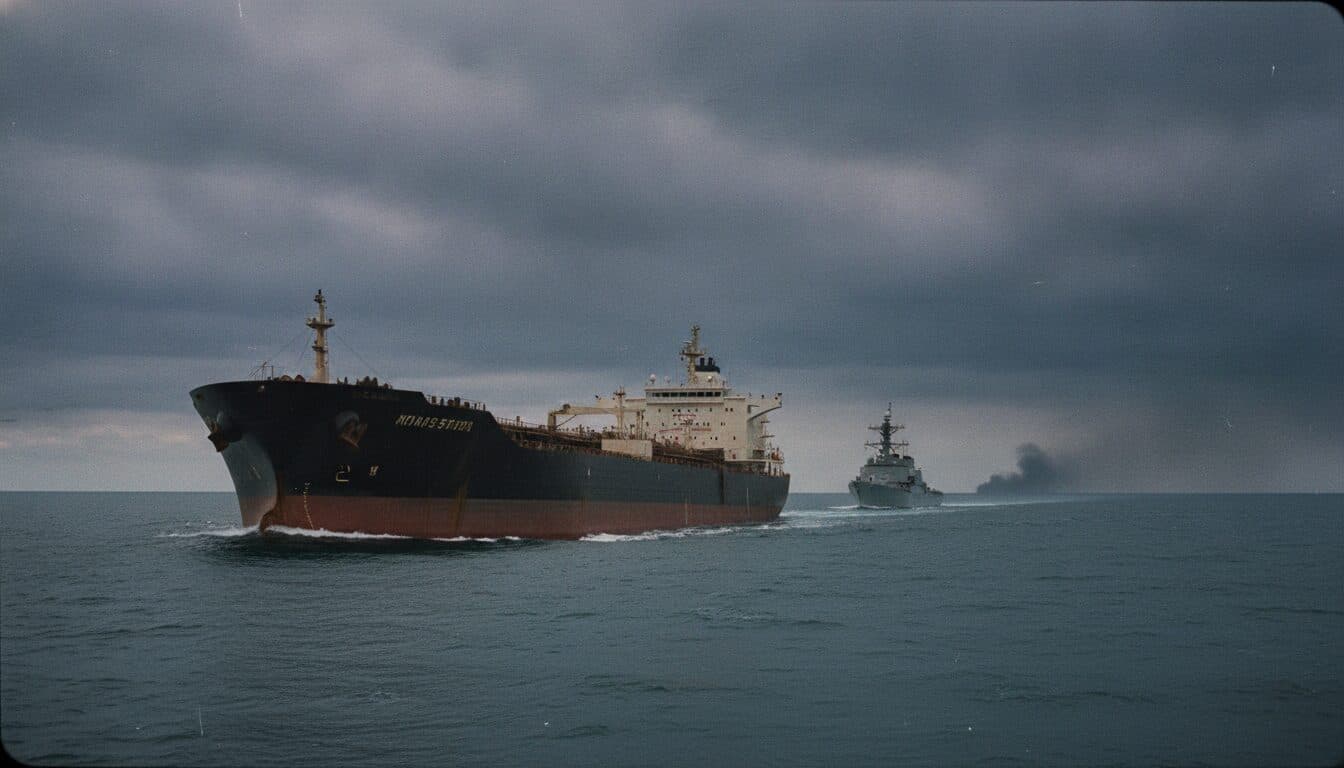
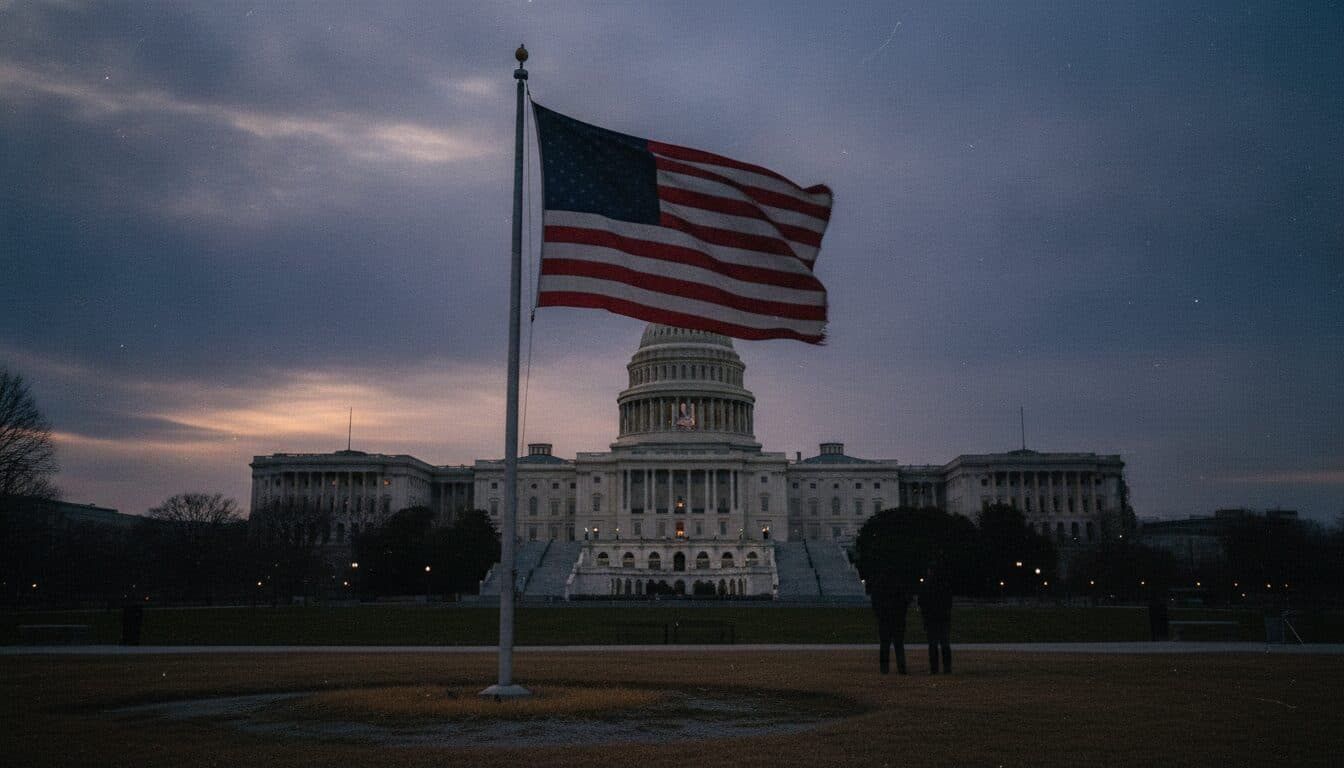
The timing of the Khamenei funeral is particularly fraught, coinciding with a dangerous escalation of tensions in the Strait of Hormuz, a choke point for global energy supplies. Just last week, on June 28, 2026, the US military launched airstrikes against Iranian military infrastructure, including communication systems, air defense sites, and drone storage facilities. The Pentagon cited “continued Iranian aggression against commercial shipping” in the Strait as the justification. Iran swiftly retaliated, claiming strikes on US interests across the Middle East, with Bahrain and Kuwait reporting being targeted.
Iran has intensified its rhetoric and actions regarding the Strait, warning that all oil tankers must now use its approved routes or face a “forceful response.” Reports indicate a mandatory toll system is being enforced, a move directly challenging the US and Gulf Arab states’ insistence on unrestricted freedom of navigation under international maritime law. This critical waterway has been a central flashpoint in the 2026 Iran War, which commenced with the US and Israeli strikes on Iran in February 2026.
The regional instability has sent ripples through global energy markets. While specific market reactions to the funeral itself are muted, the underlying tensions, particularly in the Strait of Hormuz, continue to keep crude oil prices elevated and introduce significant volatility. Shipping insurance premiums through the region have reportedly surged, impacting global supply chains and adding to inflationary pressures for consumers worldwide. Investors are closely monitoring any further escalation, particularly around oil transit, which could trigger a sharper market downturn.
Ayatollah Ali Khamenei’s four-decade tenure as Supreme Leader, following the death of Ayatollah Ruhollah Khomeini in 1989, saw Iran navigate complex geopolitical landscapes, including the Iran-Iraq War, nuclear negotiations, and persistent regional rivalries. His leadership solidified the Islamic Republic’s revolutionary principles and anti-Western stance. His death, therefore, marks the end of an era and ushers in a new chapter for Iran, heavily influenced by the ongoing conflict and the contentious succession.
“The death of Ayatollah Khamenei amidst open conflict is a truly unprecedented moment for Iran and the Middle East. The power vacuum, even with a named successor, combined with the active war, creates a highly unpredictable environment for regional stability and global energy markets.”
The question of succession, though officially settled, remains a topic of intense scrutiny. Mojtaba Khamenei, Ali Khamenei’s second son, was appointed as Iran’s third Supreme Leader by the 88-member Assembly of Experts on March 8, 2026. Mojtaba, 56, has long been a powerful but largely unseen figure within his father’s inner circle, known for his close ties to the Revolutionary Guards. However, his conspicuous absence from the initial funeral ceremonies has fueled speculation and concern.
His three brothers—Mostafa, Meysam, and Masoud—have been leading the prayers, raising questions about Mojtaba’s whereabouts. Reports suggest Mojtaba was seriously injured in the February 28 attack that killed his father and has not been seen publicly since the war began. Concerns about his security amid Israeli threats are cited as a primary reason for his continued absence. This lack of public presence for the newly appointed Supreme Leader during such a pivotal national event adds a layer of uncertainty to Iran’s leadership, potentially impacting its ability to project strength and unity during wartime.
Looking ahead, the next few weeks will be critical. The successful conclusion of the Khamenei funeral and the public re-emergence of Mojtaba Khamenei could solidify his position and provide a semblance of stability. Conversely, continued absence or further reports of his incapacitation could trigger renewed debates within the Assembly of Experts, potentially complicating Iran’s internal power dynamics. Externally, the trajectory of the 2026 Iran War and the standoff in the Strait of Hormuz will largely dictate global energy prices and regional security. Any miscalculation or aggressive action by either side could quickly escalate into a broader conflict, with severe implications for international trade and stability.
The death of Ayatollah Ali Khamenei and the subsequent succession, set against the backdrop of an active war and escalating regional tensions, represents a watershed moment. For investors, the immediate concern remains the stability of energy supplies and shipping lanes through the Strait of Hormuz. For policymakers, the focus is on preventing further escalation and understanding the implications of a new, potentially less publicly visible, Supreme Leader navigating a nation at war. The coming months will reveal the true impact of this monumental transition on Iran and the wider world.