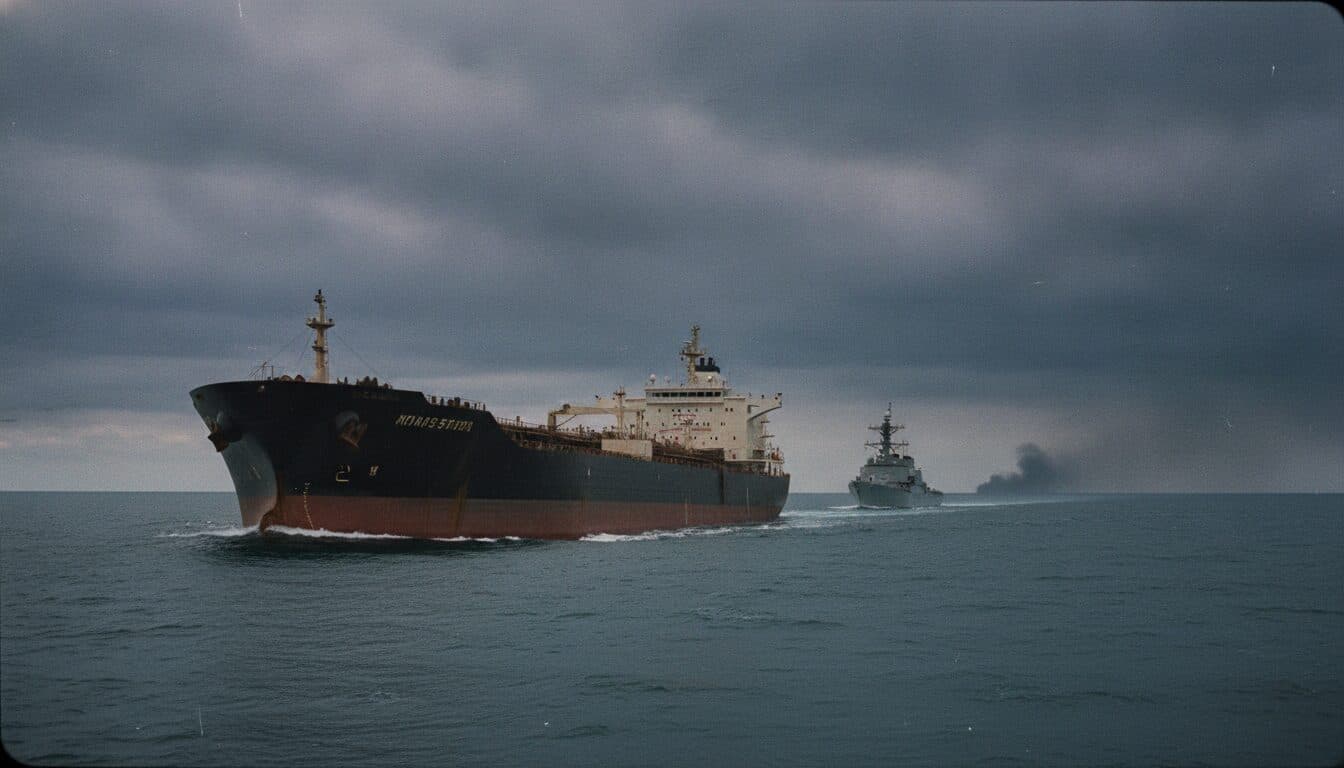
A rare but deadly hantavirus outbreak aboard the Dutch-flagged cruise ship MV Hondius has triggered a global health alert, spotlighting the complex challenges of containing infectious diseases in an interconnected world. With multiple fatalities and confirmed cases spanning continents, the incident has drawn the urgent attention of the World Health Organization (WHO) and public health authorities worldwide. The MV Hondius, carrying 147 individuals of 23 nationalities, departed Ushuaia, Argentina, on April 1, setting the stage for a medical emergency that would unfold across remote Atlantic waters.
The unfolding crisis began to manifest between April 6 and April 28, 2026, with passengers and crew presenting severe symptoms including fever, gastrointestinal distress, and rapidly progressing pneumonia. As of May 6, eight cases have been reported, with three confirmed through laboratory testing. Tragically, three deaths have been linked to the outbreak. The first fatality, an adult male, developed symptoms on April 6 and died on board on April 11. His body was removed in Saint Helena on April 24. A second fatality, an adult female and close contact of the first case, deteriorated during a flight to Johannesburg, South Africa, on April 25 and died upon arrival. A fourth case, an adult female, died on board on May 2 after symptom onset on April 28. These grim statistics underscore the virulence of the Andes strain of hantavirus identified in the outbreak, a variant known for its severe respiratory complications and, unusually for hantaviruses, its potential for human-to-human transmission under close and prolonged contact.
The impact of the outbreak extends beyond the immediate health crisis, touching upon international travel protocols and the cruise industry’s ability to manage health emergencies. The MV Hondius, currently en route to the Canary Islands, Spain, after anchoring off Cape Verde, represents a floating public health challenge. Spain has agreed to allow the vessel to dock in Granadilla on Tenerife for a full investigation. Spanish Health Minister Monica Garcia Gomez confirmed that all remaining passengers are asymptomatic, with non-Spanish citizens slated for repatriation and the 14 Spanish passengers to be quarantined in a military hospital in Madrid. This coordinated response highlights the logistical complexities and diplomatic efforts required to manage such an international health incident.
Historically, hantavirus outbreaks have typically been localized and linked to rodent exposure, primarily through contact with infected urine, feces, or saliva. The Andes virus, prevalent in South America, particularly Argentina and Chile, stands out due to its documented capacity for human-to-human transmission, though some research suggests this evidence is not strongly supported by comparative studies. Symptoms, which can appear anywhere from one to eight weeks post-exposure, begin with flu-like signs before escalating to severe respiratory distress. With no specific treatment or vaccine available, early detection and supportive care remain critical for patient survival. This particular trending news story serves as a stark reminder of the ongoing threat posed by zoonotic diseases.
Global Health Concerns Mount Over Hantavirus Outbreak
Looking ahead, the international response is focused on containment and prevention. The UK Health Security Agency (UKHSA) is preparing for the arrival of British nationals, with a potential self-isolation period of 45 days due to the extended incubation period of the virus. Two British nationals who disembarked earlier are already self-isolating. Argentina’s health ministry is investigating a potential origin in Ushuaia, conducting contact tracing and rodent analysis to understand the source. Public health awareness campaigns are emphasizing early detection, timely treatment, and robust rodent control strategies to mitigate exposure risks.
“While this hantavirus outbreak is a serious concern, it is not the next COVID,” stated WHO Director-General Tedros Adhanom Ghebreyesus, emphasizing that the overall risk to the global population is currently low.
This assurance, however, does not diminish the gravity of the situation for those directly affected or the vigilance required from health authorities. The incident underscores the fragility of global health security and the imperative for rapid, coordinated international action when novel or rare pathogens emerge in high-traffic environments like cruise ships. For investors and the public alike, this event signals the need for continued investment in public health infrastructure, research into emerging infectious diseases, and robust protocols for international travel and tourism. The MV Hondius outbreak is a potent reminder that even in an era of advanced medicine, vigilance against infectious diseases remains paramount.