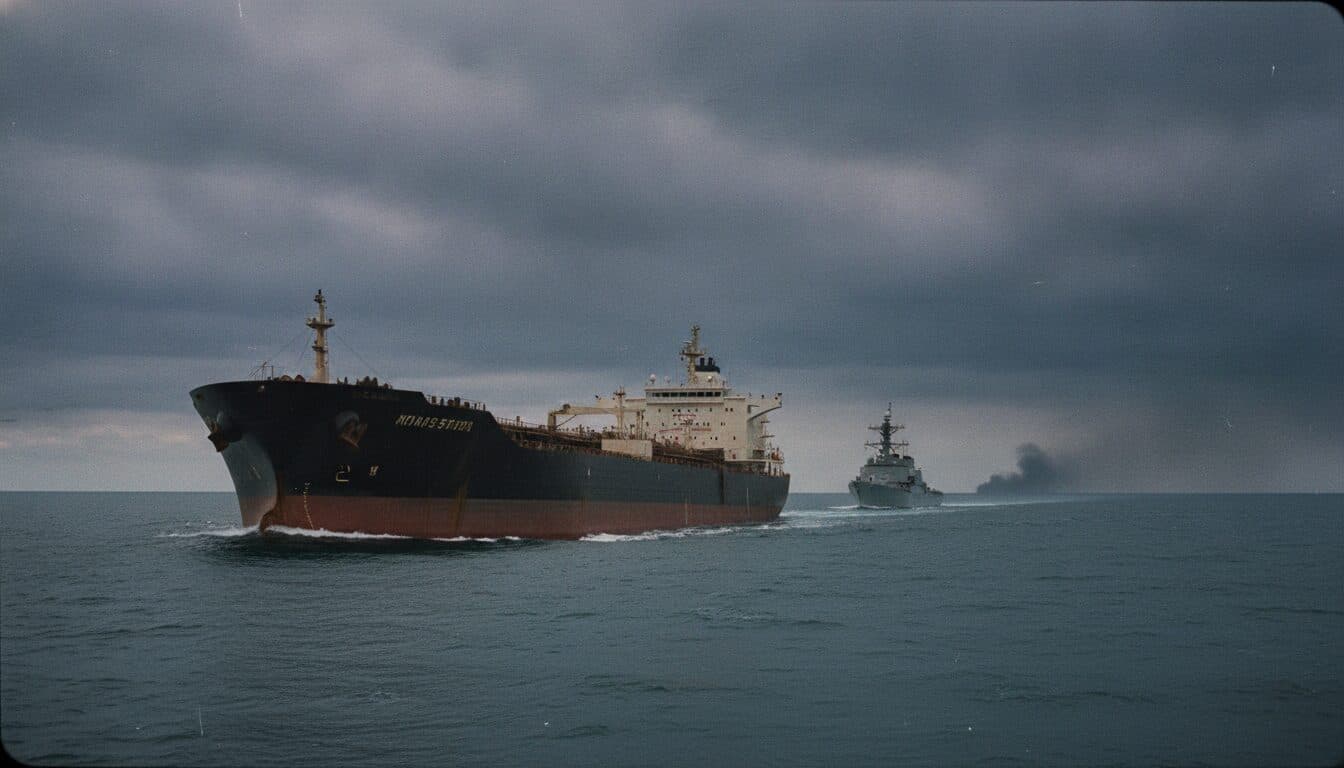
The MV Hondius, a Dutch-flagged expedition cruise ship, has become the epicenter of an unusual hantavirus outbreak, triggering an urgent global health response. The vessel arrived in Spain’s Canary Islands on Sunday, May 10, 2026, marking a critical juncture in efforts to evacuate and quarantine passengers and crew from 23 nationalities. The outbreak, involving the virulent Andes virus strain, has tragically resulted in three deaths and a growing number of confirmed and suspected cases across multiple countries, raising questions about public health protocols in a globalized travel landscape.
The journey of the MV Hondius, operated by Oceanwide Expeditions, commenced on April 1, 2026, from Ushuaia, Argentina, embarking on a voyage across the South Atlantic with stops including Antarctica, South Georgia, and Saint Helena. The first signs of trouble emerged on April 6, when a passenger began exhibiting symptoms. By April 11, 70-year-old Dutch ornithologist Leo Schilperoord died on board, initially attributed to natural causes. The true gravity of the situation became apparent on April 26, when Schilperoord’s 69-year-old wife died in a Johannesburg hospital, later confirmed to have contracted hantavirus. A third passenger died on board on May 2, the same day the World Health Organization (WHO) was notified of the cluster of severe respiratory illness. The first positive test for the Andes virus was received on May 4, solidifying fears of a dangerous contagion.
As of May 10, 2026, the official count stands at seven total cases of the Andes strain of hantavirus, including three fatalities. The WHO had previously reported eight suspected cases, six of which were confirmed. Confirmed cases have been identified in South Africa and Switzerland, with unconfirmed cases spanning Saint Helena, the Netherlands, Spain, and France. A British passenger is currently in critical but stable condition in Johannesburg, while two other British nationals have confirmed hantavirus infections. The mystery surrounding the initial infection points to shore excursions in Argentina or Chile, where researchers speculate the first sick passengers may have been exposed months before boarding the ship.
“This disease is not COVID. The risk of a global epidemic is low due to the rarity of human-to-human transmission.”
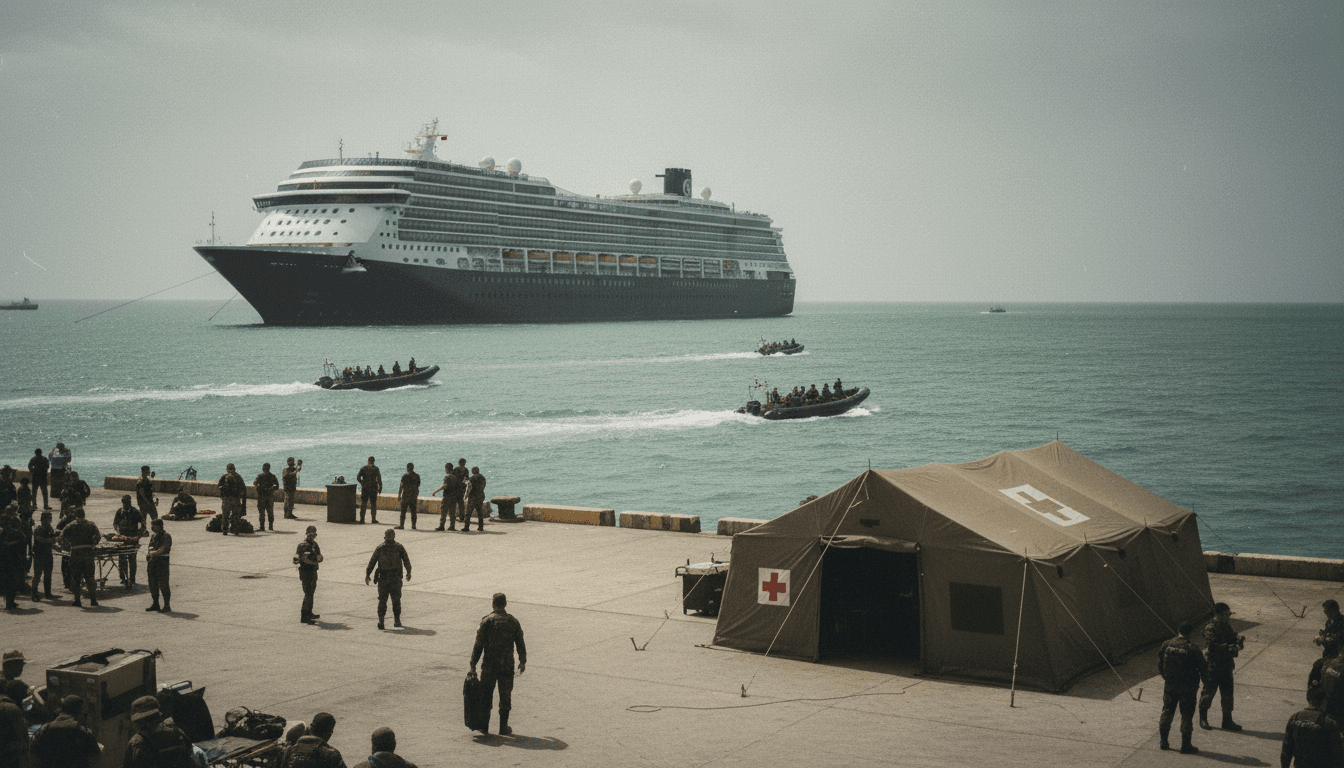
The global health response has been swift and multi-faceted. The US Centers for Disease Control and Prevention (CDC) has escalated its classification to a “level 3” emergency. WHO Director-General Dr. Tedros Adhanom Ghebreyesus traveled to Tenerife to personally oversee the evacuation, reassuring the public that the risk of a global epidemic is low due to the rare nature of human-to-human transmission for the Andes virus. Upon its arrival in Tenerife, the MV Hondius anchored offshore, with passengers being evacuated by small boats to Granadilla Port. This complex operation involves direct transfers to allocated aircraft for repatriation to home countries, highlighting the international coordination required.
Seventeen American passengers are slated for quarantine at the National Quarantine Center at the University of Nebraska, Omaha, under CDC oversight. Spanish authorities are implementing rigorous disinfection protocols, epidemiological probes, and nationality-based disembarkation, with Spanish nationals being transported to a military hospital in Madrid for compulsory quarantine. The UK Health Security Agency (UKHSA) is collaborating with international bodies, mandating a isolation period of up to 45 days for all returning British passengers and crew. The WHO’s involvement extends to deploying an expert on board the ship to gather information and support medical assessments, in addition to arranging for 2,500 diagnostic kits to be shipped to laboratories in five countries. This comprehensive response underscores the global community’s commitment to containing the hantavirus outbreak.
The Andes virus, a “New World” hantavirus strain, is unique among its kind for its capacity for human-to-human transmission, albeit rarely and typically through close, prolonged contact. Primarily a rodent-borne virus, most infections occur through inhaling aerosolized urine or droppings from infected rodents. Symptoms, often flu-like, can escalate to severe hantavirus pulmonary syndrome, carrying a fatality rate of approximately 40% for New World hantaviruses. With an incubation period of one to eight weeks and no specific treatment or vaccine, supportive care remains the primary intervention. The ongoing efforts to contain this hantavirus outbreak on a cruise ship serve as a stark reminder of the persistent threats posed by zoonotic diseases in an interconnected world.