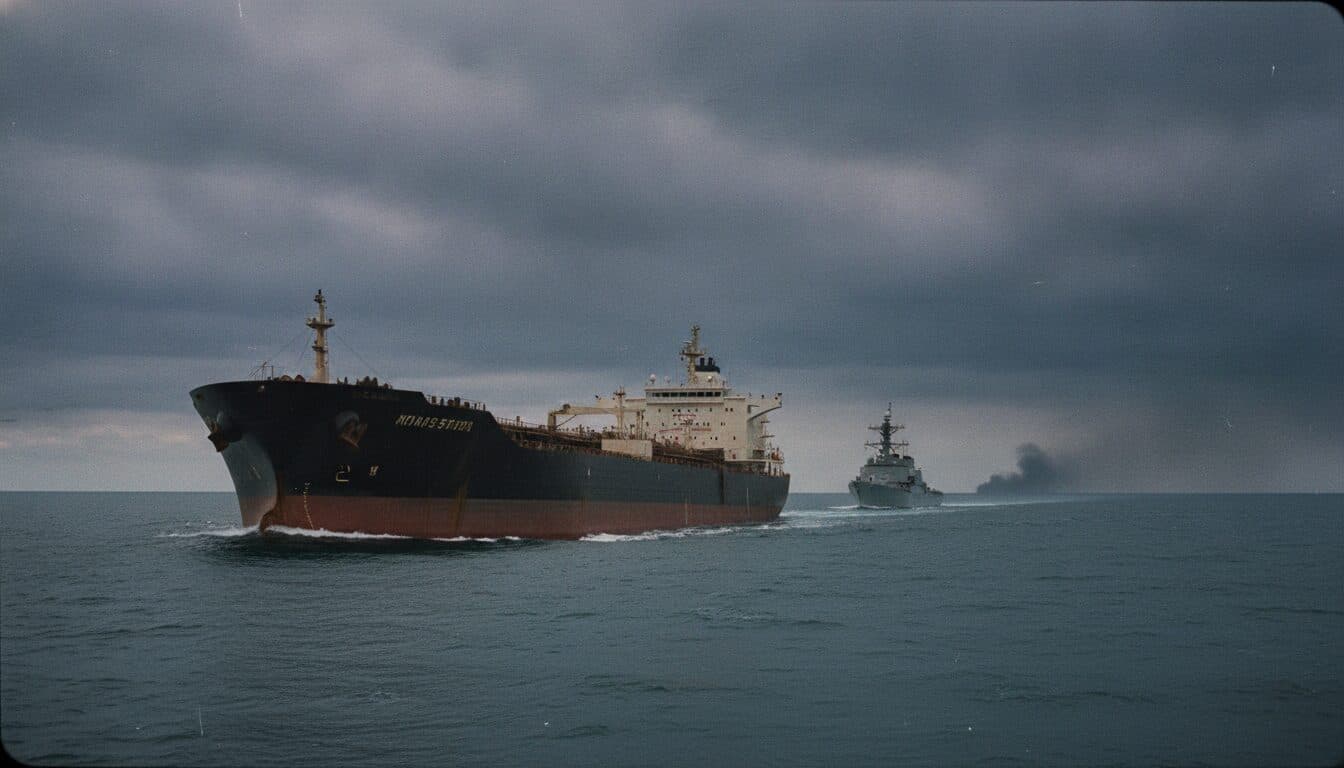
A rare Hantavirus outbreak aboard the Dutch-flagged MV Hondius cruise ship has triggered an urgent, coordinated international health response, casting a shadow over the global cruise industry and highlighting the complexities of managing infectious diseases in a highly mobile world. The incident, which has led to multiple confirmed cases and several deaths, underscores the persistent threat of zoonotic viruses and the critical need for robust public health infrastructure.
The MV Hondius, owned by Oceanwide Expeditions and designed for polar expeditions, departed Ushuaia, Argentina, on April 1, 2026, with 196 passengers and a crew of 72. Its itinerary included Antarctica and isolated South Atlantic islands. However, what began as an adventurous voyage quickly turned into a public health crisis when passengers started falling ill with symptoms consistent with Hantavirus. The specific strain identified is the Andes virus, notably the only hantavirus known for its capacity for human-to-human transmission, albeit rarely and typically through close, prolonged contact.
As of May 9, 2026, the World Health Organization (WHO) has reported eight cases linked to the ship, comprising six confirmed and two probable infections. The UK Health Security Agency separately confirmed two British infections and one suspected case. Tragically, three deaths have been associated with the outbreak, with two definitively attributed to Hantavirus. The third death remains under investigation. The ship initially carried passengers and crew from 23 nationalities, including American, British, Dutch, German, Spanish, French, and Swiss citizens. Currently, 147 individuals remain on board as the vessel makes its way to the Canary Islands for disembarkation.
The timeline of events reveals a rapidly escalating situation. A passenger died on April 11, 2026, less than two weeks into the voyage. By April 24, the deceased passenger’s body was removed in Saint Helena, where his wife disembarked and later died in Johannesburg. Thirty other passengers also disembarked in Saint Helena, triggering a contact tracing effort. The outbreak was officially reported to the WHO on May 2, 2026, following a third passenger death on board. On May 4, Cape Verdean authorities refused the ship permission to dock after the first positive test for the Andes virus was received, citing public health concerns. The MV Hondius subsequently departed Cape Verde on May 6, bound for the Canary Islands. Three more individuals, including a 56-year-old Briton, a 41-year-old Dutch national, and a 65-year-old German, were evacuated to the Netherlands for urgent medical treatment.
The financial implications for the cruise industry, already reeling from previous global health crises, are significant. While Oceanwide Expeditions has not yet commented on specific financial impacts, the reputational damage and potential for future booking hesitancy are palpable. Travel insurance providers are likely reviewing policies and risk assessments for exotic expedition cruises. The incident also puts a spotlight on the logistical and financial burden of repatriating and quarantining passengers from diverse nationalities, a cost that will be borne by various national governments and potentially, the cruise line itself.
“The Hantavirus outbreak on the MV Hondius is a stark reminder that even in an era of advanced medical science, novel and rare pathogens can pose substantial challenges to global health and international travel,” says Dr. Evelyn Reed, a public health expert.
Hantaviruses are typically transmitted to humans through contact with aerosolized rodent urine, droppings, or saliva. The Andes virus, however, is unique in its documented ability for human-to-human spread, though this remains uncommon and requires close, prolonged interaction. Symptoms, which can manifest one to eight weeks post-exposure, initially mimic influenza, including fever, muscle aches, and headaches, before progressing rapidly to severe respiratory distress. There is no specific cure or vaccine, making supportive care the primary treatment. This makes early detection and isolation critical for containing a Hantavirus outbreak.
The global health response has been swift and multi-faceted. The WHO has taken a leading role, emphasizing that despite the seriousness of the individual cases, the overall public health risk from human-to-human transmission remains low. The U.S. Centers for Disease Control and Prevention (CDC) has activated a “level 3” emergency response, its lowest tier, to monitor the situation and provide guidance for American passengers. The U.S. government is chartering a medical repatriation flight to transport approximately 17 American citizens to Offutt Air Force Base in Omaha, Nebraska, and then to the National Quarantine Center at the University of Nebraska Medical Center for a 42-day monitoring period, potentially including home isolation. Nebraska was chosen for its specialized, federally funded quarantine unit designed for high-consequence infectious diseases. Other nations, including the UK, Netherlands, Germany, Switzerland, and Canada, are also actively monitoring their citizens and conducting contact tracing for individuals who disembarked earlier.
Looking ahead, the MV Hondius is expected to arrive in Tenerife, Canary Islands, on the morning of May 10, 2026. Spanish authorities have approved its arrival, with passengers slated for evacuation to their respective home countries. The plan involves anchoring offshore and transferring passengers via speedboat and car to the airport, minimizing public contact. This delicate operation will be closely watched by health agencies worldwide, serving as a critical test of international coordination in managing a highly contagious and potentially lethal pathogen.
The Hantavirus outbreak on the MV Hondius serves as a potent reminder of the interconnectedness of global travel and public health. For investors and businesses in the travel and hospitality sectors, this incident underscores the ongoing need for robust health protocols, transparent communication, and adaptable emergency response plans. While the immediate focus is on containment and care for those affected, the long-term implications for cruise line operations and international health regulations will undoubtedly be significant. The world watches to see how effectively this Hantavirus outbreak is brought under control and what lessons are learned to prevent future occurrences.