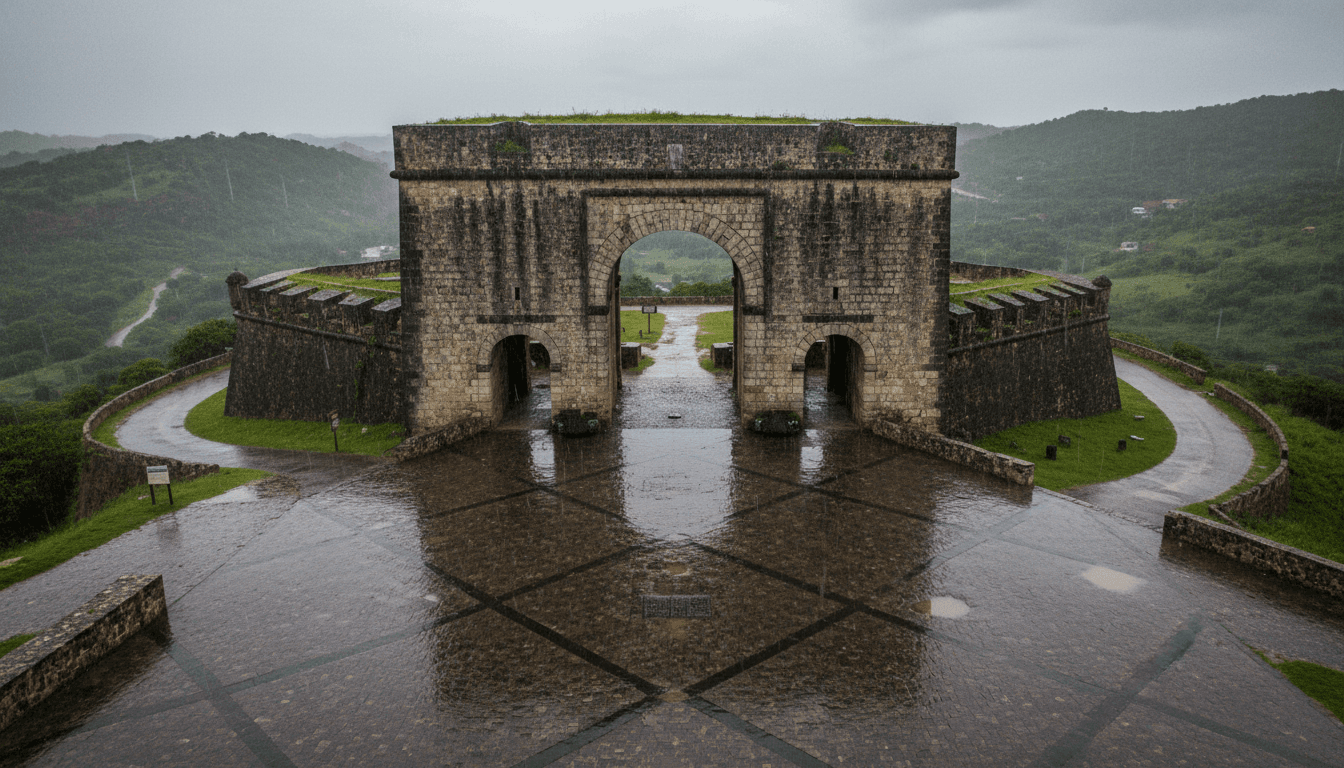
A tragic Haiti tourist site crush at the historic Citadelle Henri on Saturday, April 11, 2026, has left at least 30 people confirmed dead, with fears the toll could rise as many more remain injured and missing. This devastating incident at a UNESCO World Heritage site, heavily advertised on platforms like TikTok, compounds an already severe humanitarian crisis gripping the Caribbean nation.
Haiti’s Culture Minister, Emmanuel Menard, confirmed the initial death toll following the stampede at the Citadelle Laferrière in Milot, northern Haiti. Jean Henry Petit, head of civil protection for Haiti’s Nord Department, issued a stark warning that the number of fatalities could increase significantly given the number of unaccounted individuals. Dozens more have been injured and transported to overwhelmed hospitals, many of them young people, including students, who were drawn to the site for a tourist activity.
Initial reports point to severe overcrowding at a single entrance as the catalyst, leading to a desperate scuffle between those attempting to enter and exit the popular attraction. Compounding the chaos, some local media sources have circulated unconfirmed rumors of police using tear gas to disperse a fight, which, if true, would have undoubtedly exacerbated the panic and the ensuing crush. Heavy rain was also reported as a contributing factor, further complicating the situation.
Humanitarian Crisis Worsens Amidst Haiti Tourist Site Crush
The tragedy of the Haiti tourist site crush unfolds against a backdrop of a nation in profound distress. Haiti is currently battling extreme political instability, rampant gang violence that has paralyzed much of the country, a deep economic recession, and the near-collapse of essential public services. Armed gangs now control an estimated 90% of the capital, Port-au-Prince, subjecting civilians to a relentless cycle of violence, kidnapping, and sexual assault.
This pervasive insecurity has led to a staggering internal displacement crisis, with over 1.4 million people – roughly 12% of the population – forced to abandon their homes. The humanitarian fallout extends to food security, where nearly 5.7 million people face severe food insecurity, with 1.9 million at emergency levels. Escalating fuel prices, partly attributed to ongoing conflict in Iran, have further inflated transportation costs, making food even scarcer and more expensive for an already struggling populace. The healthcare system is in tatters, with only 10% of health facilities nationwide remaining fully operational due to the widespread insecurity.
“This incident is a stark reminder of the fragility of life and infrastructure in Haiti, where every disaster, whether natural or man-made, deepens an already catastrophic humanitarian situation.”
Adding to Haiti’s woes, the country has also recently endured natural disasters, including Hurricane Melissa in October 2025, which claimed at least 43 lives and severely damaged critical infrastructure. A resurgence of cholera since late 2022 further highlights the nation’s vulnerability to public health crises.
Economic Repercussions and Future Outlook
Haiti’s tourism industry, despite its rich historical, cultural, and natural assets, has consistently struggled against the headwinds of political instability and frequent natural disasters. The Citadelle Laferrière, a UNESCO World Heritage site, stands as one of Haiti’s most significant cultural landmarks. While previous years saw some growth in long-stay tourism, incidents like the Haiti tourist site crush, coupled with the ongoing humanitarian crisis, are poised to deliver a severe blow to any nascent revitalization efforts.
Experts have long argued that Haiti’s tourism strategy should leverage its unique cultural and adventure offerings, rather than attempting to compete with generic beach destinations like the Dominican Republic. However, the prevailing instability and chronic lack of infrastructure remain formidable barriers for potential travelers. Furthermore, the economic benefits of tourism in Haiti have often been criticized for failing to adequately benefit local communities, with a significant portion of revenue reportedly leaving the country through ‘leakages.’ The immediate closure of the Citadelle Henri, a pivotal attraction, will undoubtedly have a detrimental economic impact on the local communities that depend on tourist activity for their livelihoods.
The global community watches with growing concern as Haiti grapples with yet another tragedy that underscores its profound challenges. The investigation into the crush is underway, with Prime Minister Alix Didier Fils-Aimé and the government expressing deep sorrow and mobilizing resources for assistance. The long-term implications for Haiti’s already fragile economy and the well-being of its citizens are severe, demanding sustained international attention and support to address the root causes of instability and humanitarian distress. The path forward for Haiti remains fraught with peril, with this latest tragedy serving as a somber bellwether of the urgent need for stability and aid.