Urgent Haiti gang violence displaces thousands, casting a long shadow over the Caribbean nation and demanding immediate global attention as a critical humanitarian emergency. The recent brutal attack in the Artibonite region, Haiti’s agricultural heartland, serves as a stark reminder of the country’s escalating instability, where armed groups operate with devastating impunity, leaving a trail of death, displacement, and despair.
On Sunday, March 29, 2026, the Gran Grif gang descended upon the Jean-Denis area in Petite-Rivière de l’Artibonite, unleashing a wave of terror. While initial police reports tallied 16 dead and 10 injured, human rights groups, notably the Collective Defending Human Rights, reported a far more harrowing toll: at least 70 fatalities and 30 injured. The UN corroborated these higher figures, describing “brutal and coordinated” attacks that forced nearly 6,000 people to flee their homes. This incident follows earlier displacements of over 2,000 individuals in nearby Verrettes, demonstrating the widening geographical spread of gang control beyond the capital, Port-au-Prince.
The Unprecedented Scale of Displacement
Haiti is now witnessing record levels of internal displacement, a direct consequence of the unchecked gang violence. As of February 2026, over 1.4 million people – more than 10% of the nation’s population – have been uprooted, with roughly half of them children. This represents a staggering increase, with displacement tripling in 2024 alone, surging from 315,000 in December 2023 to over a million. The sheer volume of those forced from their homes underscores the systemic breakdown of security and the pervasive fear gripping communities.
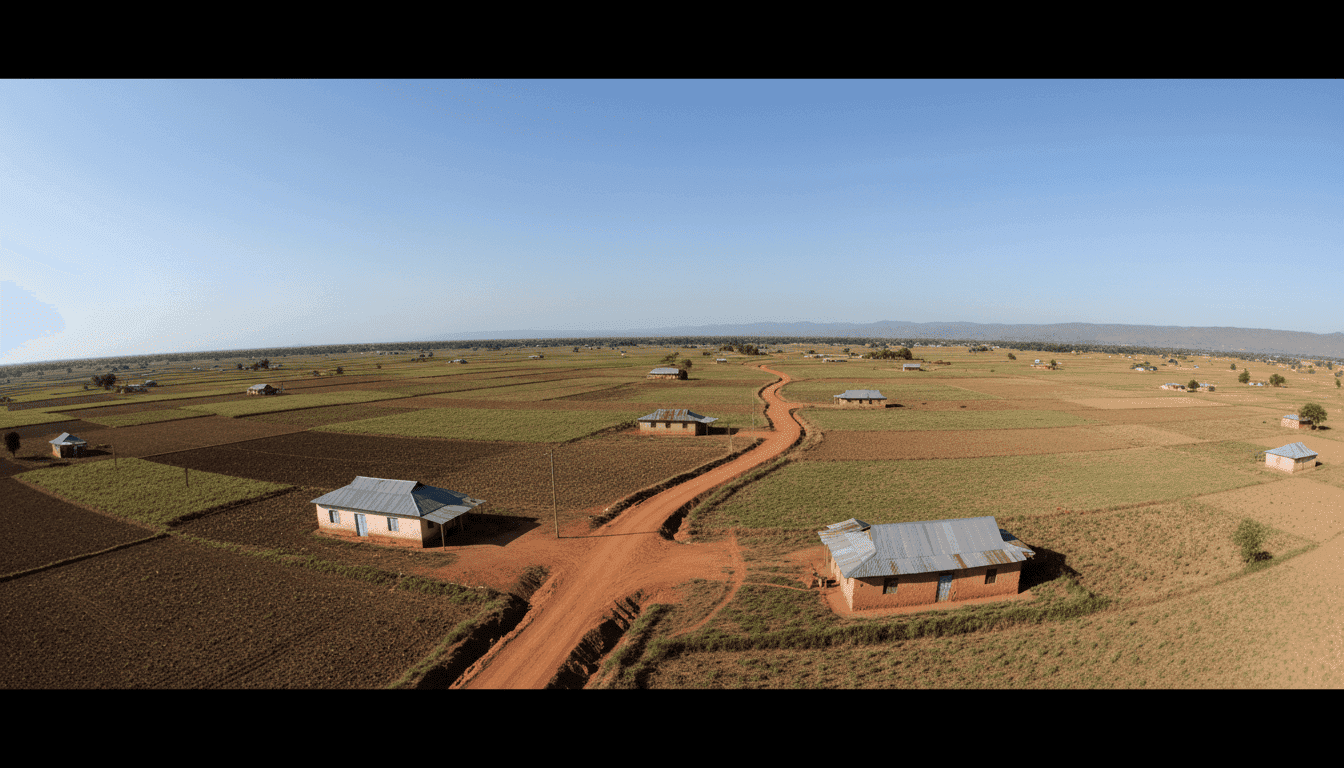
The impact extends far beyond mere numbers. The Artibonite region, once the nation’s breadbasket, is now under siege. Farmers, facing extortion and threats, are abandoning their fields, leading to reduced crop yields and exacerbating an already dire food insecurity crisis. Over half of Haiti’s population faced crisis levels of food insecurity in 2025, with 6,000 people experiencing catastrophic hunger. The disruption of trade routes, with gangs controlling key highways and seaports, has caused prices of essential commodities to spike, further pushing a population already living on less than $2 a day into deeper poverty.
“The lack of a security response and the abandonment of Artibonite to armed groups is a complete abdication of responsibility by the authorities,” stated the Collective Defending Human Rights, highlighting the governmental vacuum that allows such atrocities to persist.
Armed gangs, estimated to number between 200 and 300 active groups, now control an estimated 90% of Port-au-Prince and are aggressively expanding their territorial reach. This unchecked power has been fueled by the political instability following President Jovenel Moïse’s assassination in 2021 and the unchecked flow of illegal weapons, predominantly from the US, which provides these groups with “firepower that exceeds that of the Haitian National Police.”
Haiti Gang Violence Displaces Thousands: A Humanitarian Catastrophe
The humanitarian needs in Haiti are overwhelming. A staggering 6.4 million people – more than half the population – require urgent humanitarian support. Healthcare facilities are under constant threat, with many forced to close, leading to severe shortages of medical supplies and critical care. The UN’s designated expert on human rights for Haiti, William O’Neill, described the situation as akin to the “Wild West,” driven by widespread desperation.
Perhaps most chilling is the systematic use of sexual violence and child recruitment by these gangs. In 2025, 8,000 cases of gender-based violence were recorded, a 25% rise over the previous year, with sexual violence against children increasing by a horrifying 1,000% since 2023. Children comprise up to 50% of armed group members, with child recruitment increasing by 200% in 2025 alone, painting a bleak future for an entire generation.
International efforts to restore order have consistently faltered, and humanitarian funding continues to fall critically short. The UN Human Rights Office has condemned the violence and called for a thorough investigation into the recent attacks. The US has offered a reward of up to $3 million for information on the financial activities of gangs like Gran Grif and Viv Ansanm, designating them as terrorist organizations, a move that underscores the severe threat they pose.
The current crisis is deeply rooted in decades of political instability, economic hardship, and natural disasters, all exacerbated by the 2021 assassination of President Moïse. This created a power vacuum that armed gangs swiftly exploited, solidifying their control and extending their reign of terror. The International Rescue Committee (IRC) warns that conditions are likely to worsen in 2026 without urgent, coordinated international action. For more trending stories, visit our news section.
The persistent Haiti gang violence displaces thousands, impacting not only the immediate safety and well-being of its citizens but also the very fabric of its economy and society. The global community’s response to this deepening crisis will be a critical test of its commitment to human rights and stability in one of the world’s most vulnerable nations. The world watches to see if decisive action can finally stem the tide of violence and provide a path towards recovery for Haiti.