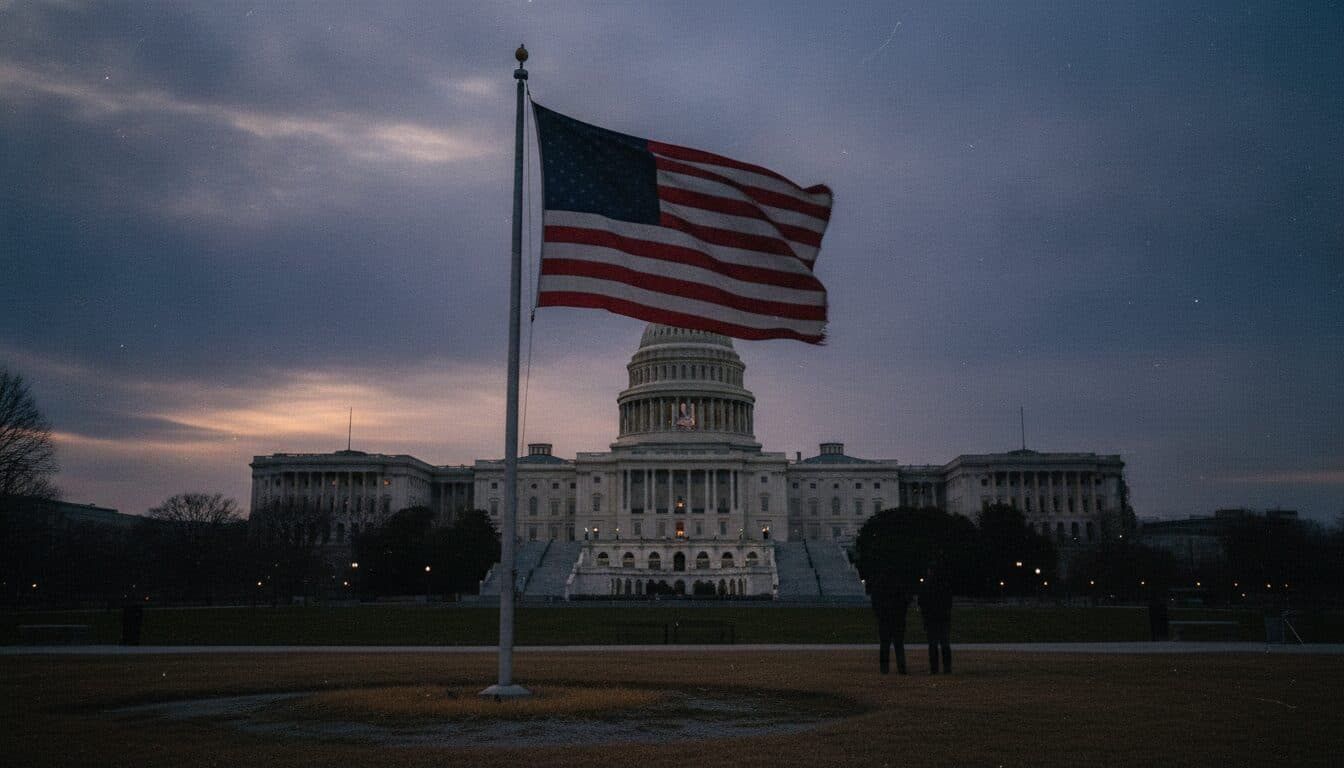
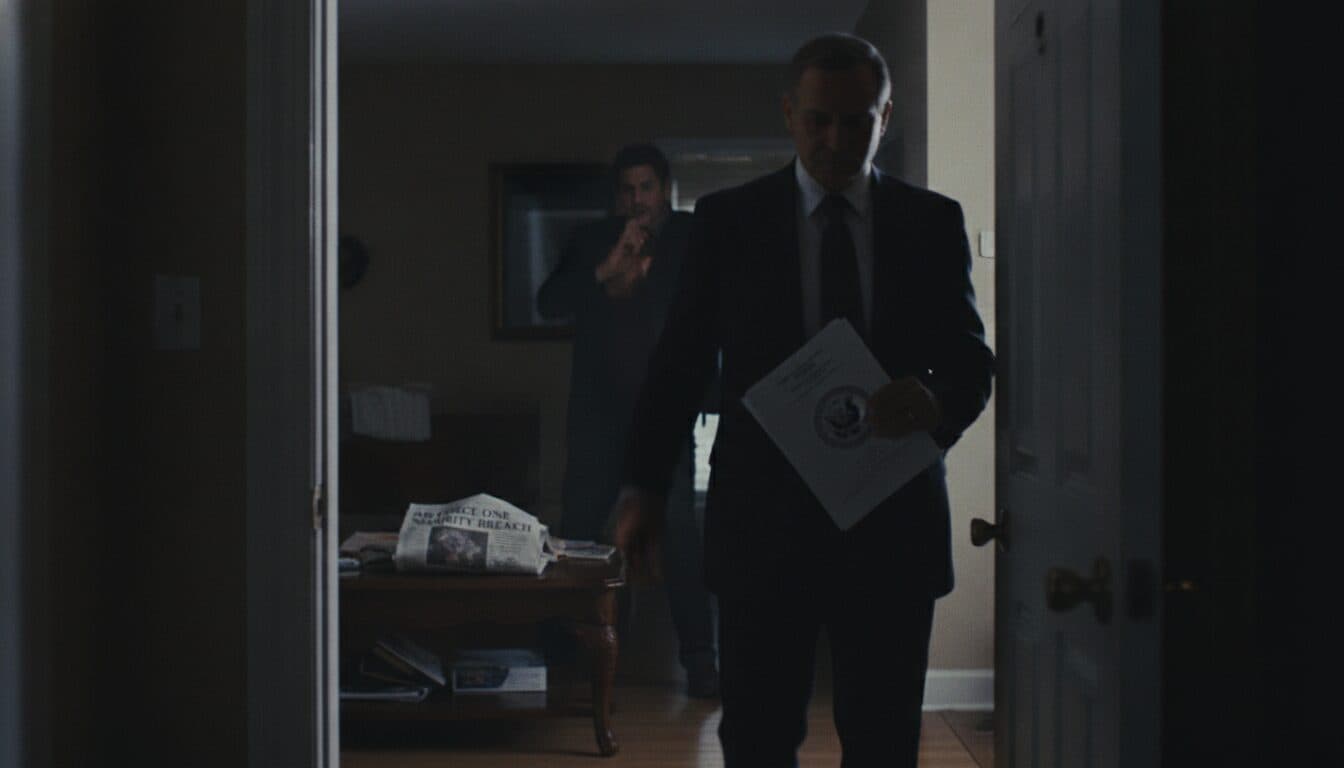
Washington D.C. awoke Sunday to the reverberations of an unprecedented security breach at the heart of its political and media establishment. A gunman launched an attack on the White House Correspondents’ Association (WHCA) dinner Saturday evening, an event attended by President Donald Trump, Vice President J.D. Vance, cabinet members, and a host of prominent journalists and celebrities. While President Trump emerged unharmed, the incident has ignited a fierce debate over security protocols at high-profile gatherings and the escalating threats facing public figures.
Gunman attacks White House Correspondents’ Dinner
The chaos unfolded at approximately 8:36 p.m. ET on Saturday, April 25, 2026, at the Washington Hilton. Authorities identified the suspect as Cole Tomas Allen, 31, of Torrance, California. Allen, reportedly a tutor and amateur video game developer, was armed with a shotgun, a handgun, and multiple knives when he attempted to breach a Secret Service checkpoint near the ballroom. Crucially, Allen reportedly made it past the outermost layer of security due to his status as a hotel guest, a detail that is now under intense scrutiny.
Law enforcement officers engaged Allen, with President Trump later sharing CCTV footage on Truth Social depicting Allen running through the security area before officers opened fire. One law enforcement officer sustained a gunshot wound but was protected by a bulletproof vest and is reported to be in “great shape.” Allen himself was not struck by gunfire but was apprehended and transported to a hospital for evaluation. The immediate aftermath saw hundreds of attendees ducking under tables as gunshots echoed through the venue, while Secret Service agents swiftly evacuated President Trump and other officials from the stage.
President Trump, addressing the nation from the White House after the incident, described Allen as a “lone wolf whack job” and lauded the Secret Service’s swift response. He also used the opportunity to advocate for enhanced security measures and reiterated his long-standing desire for a White House ballroom, criticizing the Washington Hilton as “not a particularly secure building.” On Truth Social, Trump first announced that a “shooter has been apprehended” and later shared the critical CCTV footage. He concluded his public statements on the evening by asking “that all Americans recommit with their hearts to resolving our differences peacefully.”
Security Breaches and the High Stakes of Public Events
The incident at the WHCA dinner underscores the inherent vulnerabilities of even the most secure public gatherings, particularly those involving the President of the United States. The fact that an armed individual, identified as Cole Tomas Allen, could penetrate an initial layer of security by exploiting his status as a hotel guest at the Washington Hilton raises serious questions about the multi-layered security strategies employed at such events. This breach, while ultimately contained, highlights a potential systemic flaw in how temporary venues are secured for presidential appearances.
For investors and businesses, the immediate impact is largely on the event management and security industries. Shares of companies specializing in advanced security technologies, crowd control, and threat assessment may see increased interest in the coming weeks. Furthermore, the incident could lead to a re-evaluation of insurance premiums for large-scale public events, particularly those with high-profile attendees. The reputational risk for venues hosting such events will also undoubtedly increase, potentially leading to higher costs for security upgrades or a shift towards more purpose-built, secure locations.
“This incident will undoubtedly force a fundamental re-evaluation of how we secure major public events, especially when the President is present. The ‘hotel guest’ loophole is a glaring vulnerability that must be addressed immediately.”
Historically, attacks or attempted attacks on U.S. presidents have a long and somber lineage, from the assassinations of Abraham Lincoln and John F. Kennedy to the attempted assassinations of Ronald Reagan and Gerald Ford. While the WHCA dinner incident did not result in presidential harm, it serves as a stark reminder of the persistent threats. The 2020s have seen an increasingly polarized political landscape, contributing to a climate where such acts, whether politically motivated or driven by individual grievances, feel more plausible. The motive behind Allen’s attack remains under investigation, but the context of heightened political tensions cannot be ignored.
Looking ahead, Cole Tomas Allen is expected to be arraigned on Monday in federal district court, facing felony firearm and assault charges, specifically two counts: using a firearm during a crime of violence and assault on a federal officer using a deadly weapon. Beyond the legal proceedings, the Secret Service, in conjunction with other federal agencies, will undoubtedly conduct a thorough review of the security protocols at the Washington Hilton and for similar events. We can anticipate calls for increased funding for federal security agencies and potentially new legislation aimed at enhancing venue security or regulating access to public events where high-value targets are present. President Trump’s push for a White House ballroom, previously a political talking point, may now gain significant traction.
The attack at the White House Correspondents’ Dinner is more than just a sensational headline; it is a critical inflection point for national security and public event management. The swift apprehension of Cole Tomas Allen and the prevention of greater harm are testaments to the Secret Service’s training, but the initial breach serves as a powerful warning. For businesses, investors, and the public, this event underscores the enduring challenges of maintaining security in an open society, particularly when political passions run high. It demands a serious re-evaluation of preparedness and a renewed commitment to safeguarding our institutions and leaders. For further insights into security challenges at high-profile gatherings, explore related trending articles on our platform.