From the bustling streets of Manila to the historic squares of Paris, May Day 2026 saw a global outpouring of frustration, with protests erupting over the ongoing Iran War and escalating economic woes. Millions took to the streets on International Workers’ Day, demanding peace, higher wages, and an end to policies they argue are eroding their livelihoods amidst a turbulent global landscape.
The widespread demonstrations, spanning continents and diverse cultures, underscored a shared sentiment: working people are increasingly feeling the pinch of a global economy destabilized by geopolitical conflict. A central theme resonating across Europe, Asia, and the United States was the direct link between the Iran War and the soaring cost of living, particularly energy prices. The European Trade Union Confederation, representing 93 union organizations, issued a sharp rebuke, stating,
“Working people refuse to pay the price for Donald Trump’s war in the Middle East. Today’s rallies show working people will not stand by and see their jobs and living standards destroyed.”
In Asia, the protests kicked off with significant momentum. In Manila, Philippines, large crowds near the U.S. Embassy clashed with police, demanding higher wages and lower taxes while directly condemning the U.S. role in the conflict. Josua Mata, a leader of the SENTRO labor federations, articulated the sentiment: “Every Filipino worker now is aware that the situation here is deeply connected to the global crisis.” In Jakarta, Indonesian President Prabowo Subianto joined a May Day rally, signaling government acknowledgement of workers’ calls for stronger protection against rising prices and difficulties in securing raw materials.
European cities also witnessed substantial turnout. In Paris, unions rallied under the evocative slogan “bread, peace and freedom,” drawing parallels between workers’ struggles and ongoing conflicts in Ukraine and the Middle East. Istanbul, Turkey, saw scuffles between union members and police as they attempted to march towards Taksim Square, a symbolic but often restricted site for May Day protests, leading to at least 350 arrests reported by the Turkish Contemporary Lawyers’ Association (ÇHD).
Iran War Fuels Global Economic Woes
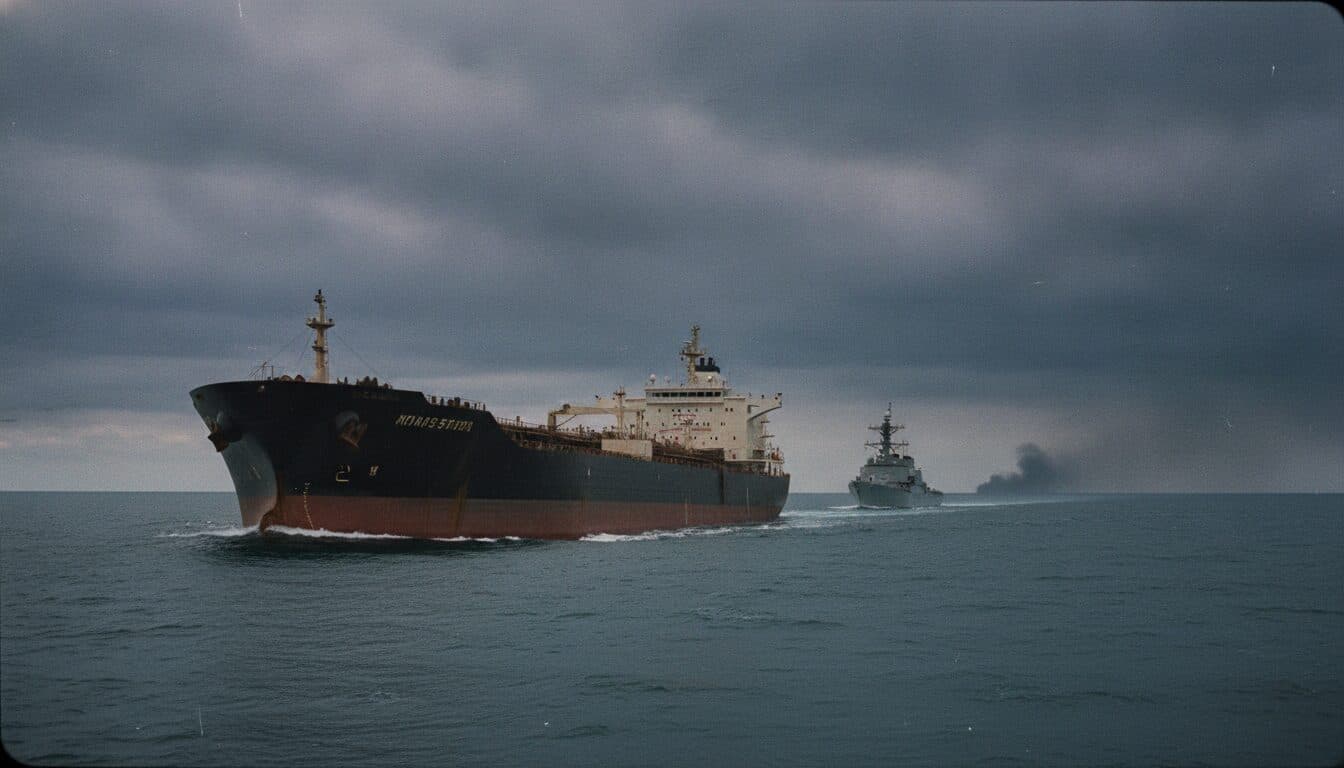
The Iran War’s economic repercussions have been a profound catalyst for these global May Day protests. The conflict has triggered a dramatic surge in energy prices, with Brent crude oil, which was around $80-$82 a barrel in March 2026, skyrocketing to $126 a barrel by April 30, 2026. This escalation is largely attributable to the closure of the Strait of Hormuz, a critical choke point for approximately 20% of global oil and liquefied natural gas (LNG) supplies. The disruption has led to LNG spot prices in Asia increasing by over 140%, directly translating to higher utility bills for consumers worldwide.
The war’s impact extends far beyond the energy sector. The World Trade Organization (WTO) projects that sustained high oil and gas prices could reduce forecasted 2026 global GDP growth by 0.3%. A United Nations Development Programme study further estimates that the conflict could diminish economic growth in Arab nations by $120–$194 billion in GDP. The price increases for essential commodities like tungsten, nitrogen, and aluminum are also set to drive up food and packaging costs, further squeezing household budgets globally.
In the United States, the Iran War has contributed to slowing consumer spending and elevated inflation expectations, which rose from 3.8% in March to 4.7% in April. Gas prices have pushed above $4 a gallon, and annual inflation reached 3.3% in March. While the U.S. economy grew at a modest 2% in the first quarter of 2026, the outlook remains heavily clouded by the ongoing conflict. The U.S. government has already allocated at least $25 billion to the war effort, with the Defense Department requesting an additional $1.5 trillion in military spending, raising questions about domestic resource allocation.
U.S. protests, while not a federal holiday, saw activists and labor unions organize under the banner of “workers over billionaires.” The “May Day Strong” coalition, a broad alliance of labor unions, immigrant rights groups, and political organizations, called for an “economic blackout” with “no school, no work, no shopping” to oppose President Trump’s policies, particularly his administration’s aggressive immigration crackdown. Since his second term began in January 2025, Trump’s policies have included declaring a national emergency at the U.S.-Mexico border, blocking asylum seekers, ending “catch and release,” and expanding deportations with an aim to deport 1 million immigrants annually.
Protesters in New York and Washington D.C. carried banners demanding “Healthcare not warfare” and called for an end to Amazon’s contracts with ICE and the Department of Homeland Security (DHS). Six members of the youth-led Sunrise Movement were arrested in Minneapolis for blocking a bridge, while teachers’ unions and students actively participated, with some school districts granting teachers the day off to rally for public education funding. These demonstrations highlight a significant domestic backlash against both foreign policy and internal social issues, further complicating the political landscape.
The confluence of a costly foreign war, soaring inflation, and domestic policy grievances has created a potent cocktail of public dissatisfaction. The global May Day protests serve as a stark reminder to governments and policymakers that the economic and social costs of geopolitical conflict are not confined to battlefields but reverberate deeply within communities worldwide. The calls for peace, economic justice, and improved living standards are likely to intensify if the Iran War and its attendant economic pressures persist, posing significant challenges for global leaders in the months ahead. For more on global economic trends and geopolitical impacts, explore our related trending articles.