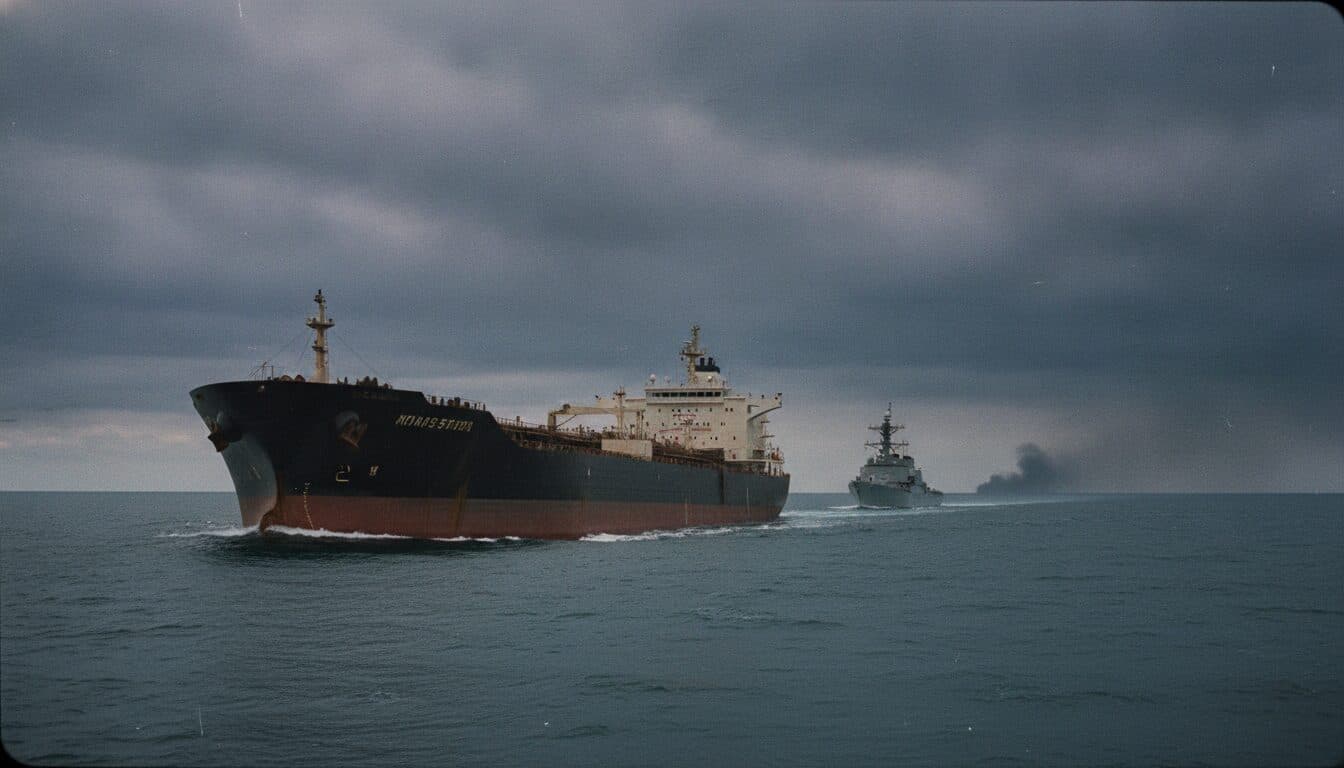
G7 energy supply measures are being deployed at an unprecedented scale today, Tuesday, March 10, 2026, as the world’s leading economies move to shield the global financial system from a catastrophic energy shock. Following the dramatic escalation of the US-Israel-Iran conflict in late February, the closure of the Strait of Hormuz has sent shockwaves through the commodities market, forcing G7 energy and finance ministers into emergency coordination. With Brent crude prices hitting $119.50 per barrel—the highest level seen since the 2022 volatility—the stakes for global stability have never been higher. As the world watches the pulse of the energy markets, you can find more trending stories regarding global economic shifts on our main portal.
On March 9, 2026, G7 finance ministers convened an emergency virtual meeting to address the immediate threat of a global energy deficit. The primary driver of this turmoil is the blockage of the Strait of Hormuz, a critical maritime artery through which approximately 20% of the world’s oil supply flows. The G7 has responded with a “ready to act” declaration, signaling a massive intervention in the crude markets. U.S. officials have proposed a coordinated release of the International Energy Agency’s (IEA) strategic reserves, totaling between 300 million and 400 million barrels. This proposed release represents roughly 25% to 35% of the 1.2 billion barrels currently held in public emergency stocks worldwide. French Finance Minister Roland Lescure emphasized that while a formal release had not been officially triggered as of today, the coalition remains in a state of “constant monitoring” to prevent a spiral into stagflation.
The Critical Minerals Action Plan
While the immediate focus remains on oil, the G7 energy supply measures also address long-term structural vulnerabilities through the Critical Minerals Action Plan (CMAP). Originally launched during the June 2025 Kananaskis Summit in Canada, the CMAP has become the cornerstone of the G7’s strategy to break the dominance of non-market economies—specifically China—over the green energy transition. The G7 has mobilized a staggering $6.4 billion across 26 new projects focused on the extraction and processing of graphite, rare earth elements, and scandium. By the end of 2025, the group established a “Roadmap to Promote Standards-Based Markets,” mandating strict traceability and environmental standards to ensure that state actors cannot manipulate the supply chain for these essential resources.
The geopolitical landscape of 2026 has also necessitated a radical shift in how the G7 handles Russian energy exports. To further degrade the Kremlin’s ability to fund its ongoing military operations in Ukraine, the Price Cap Coalition transitioned to a dynamic pricing mechanism in late 2025. Unlike the original fixed $60 limit, the cap is now set at 15% below the average market price of Urals crude over the preceding six months. As of mid-January 2026, this effective price cap stood at approximately $44 per barrel. To ensure compliance, the G7 has intensified secondary sanctions targeting the so-called “shadow fleet,” with the U.S. and EU penalizing refiners in third countries that continue to facilitate trades above the established cap.
“While the G7’s emergency reserves provide a critical buffer, the deteriorating market conditions require faster diversification to ensure long-term stability.”
Impact of G7 Energy Supply Measures on Infrastructure
Beyond the immediate supply of fuel, the G7 is aggressively pursuing digital and technological resilience as part of its broader energy security strategy. Following the October 2025 Toronto Ministerial meeting, the definition of energy security has expanded to include the protection of digital infrastructure. The G7 recently launched the “G7 Workplan on AI and Energy,” a program designed to optimize electricity grids and manage the surging demand from global data centers. This technological integration is paired with a renewed commitment to phase out unabated coal power by 2035, a target reaffirmed from the group’s April 2024 discussions. To replace volatile gas imports and coal, there is a significant push for the expansion of Small Modular Reactors (SMRs) and fusion energy as reliable, zero-emission baseload power sources.
The market impact of these G7 energy supply measures is already being felt across the globe, though volatility remains high. In the Mediterranean, shipping routes are already seeing energy surcharges as of March 2026, reflecting the increased costs of transport and insurance amid the Hormuz crisis. Market analysts at the Atlantic Council suggest that the G7’s “all-of-the-above” approach—balancing the immediate need for oil with the long-term goal of mineral security—is the only way to prevent a permanent shift toward higher global energy costs. However, IEA Executive Director Fatih Birol has warned that the window for diversification is narrowing as geopolitical tensions continue to flare.
As we look toward the remainder of 2026, the success of these G7 energy supply measures will depend on the coalition’s ability to maintain unity in the face of rising domestic inflation. The planned release of hundreds of millions of oil barrels may provide temporary relief at the pump, but the long-term stability of the global economy hinges on the successful execution of the Critical Minerals Action Plan and the continued enforcement of the Russian oil price cap. Investors and policymakers alike will be watching the IEA’s next moves closely, as any further disruption in the Middle East could necessitate even more drastic interventions from the world’s most powerful economies.