The **fuel crisis** in Cuba has reached a critical point, plunging millions into darkness and threatening to destabilize the island nation’s already fragile economy. Millions of Cubans are facing unprecedented hardship as a severe energy shortage cripples essential services and disrupts daily life. This crisis, a confluence of tightened U.S. sanctions, the collapse of Venezuelan oil supplies, and a dilapidated energy infrastructure, is pushing the Cuban people to their limits.
Millions Plunged Into Darkness
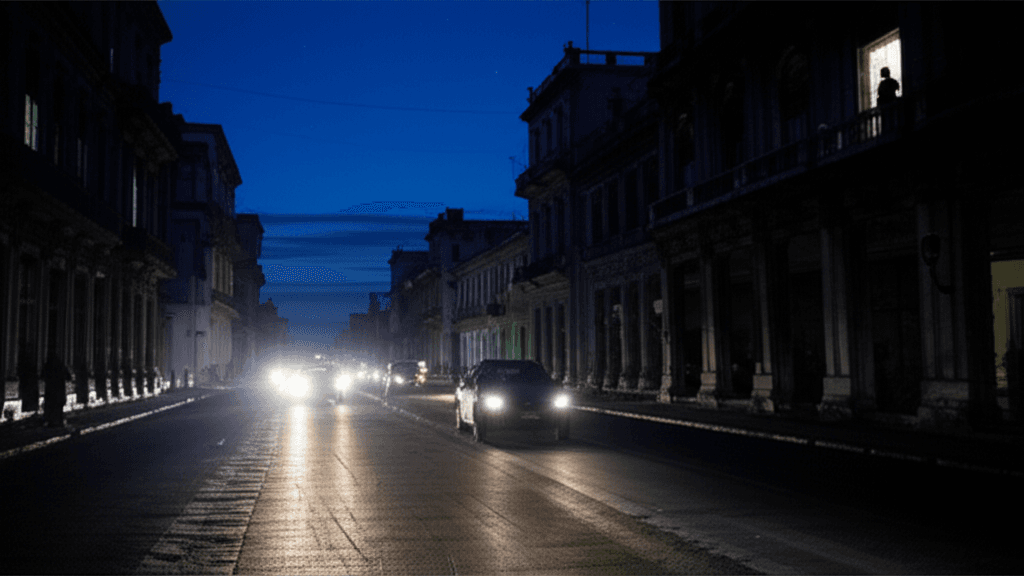
The most recent manifestation of the crisis was a major blackout on March 4, 2026, which left millions without power across the western half of Cuba, including the capital city of Havana. The Electric Union confirmed that the outage affected areas from Pinar del Rio to Camaguey, leaving countless homes, businesses, and hospitals without electricity. While officials attributed the blackout to a fault in a transmission line and the shutdown of the Antonio Guiteras thermoelectric power plant due to a boiler leak, experts point to deeper systemic issues within Cuba’s aging and poorly maintained energy infrastructure. Some reports indicated that the outage could last up to 72 hours, exacerbating the already dire situation. Technical failures can cause a chain reaction throughout the electrical system.
The Global Impact of Cuba’s Fuel Crisis
The **fuel crisis** extends beyond Cuba’s borders, raising concerns about regional stability and potential humanitarian repercussions. The United Nations Human Rights Office has warned that the shortages threaten Cuba’s food supply, water systems, and hospitals, raising the specter of a humanitarian crisis. The crisis is also impacting the tourism sector, a crucial source of revenue for the Cuban economy, with airlines suspending services due to a lack of aviation fuel. The potential for mass migration and regional instability cannot be ignored. more trending stories are available on our website.
Context and Analysis: A Perfect Storm of Factors
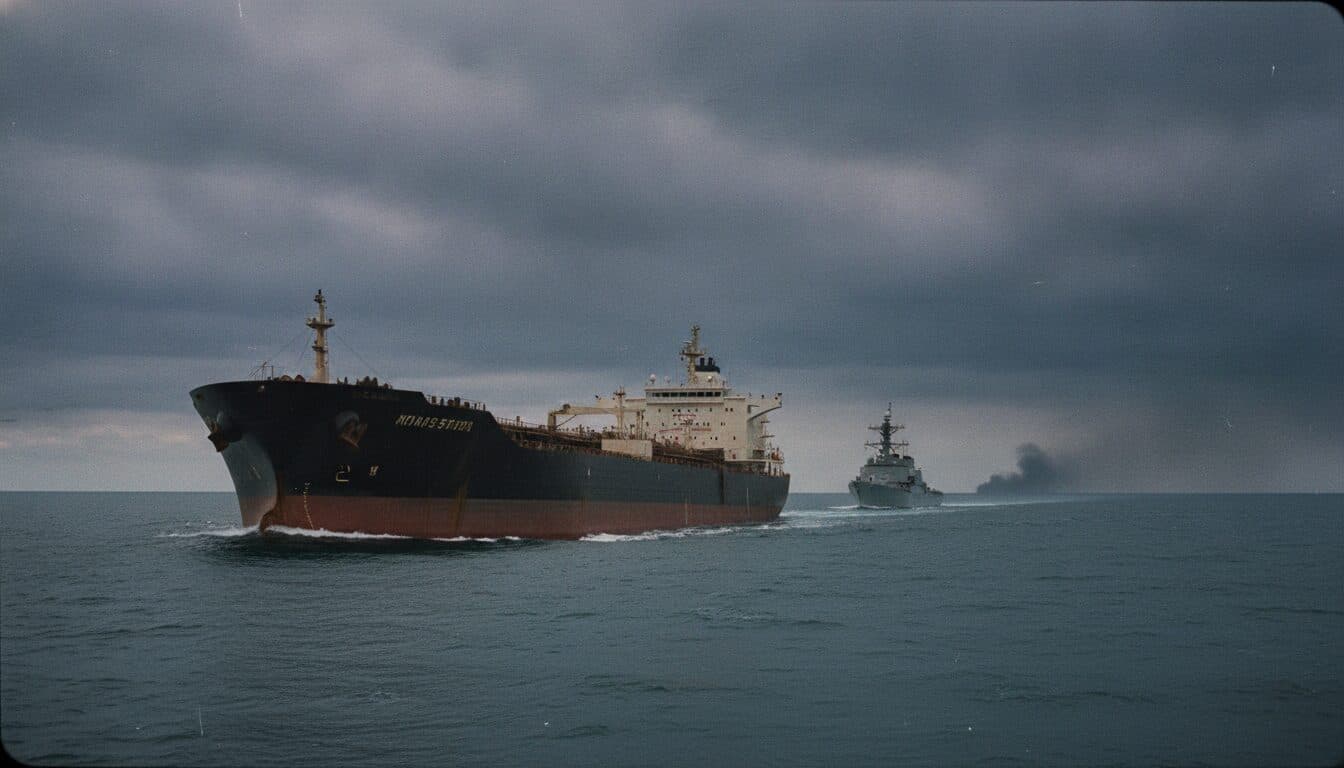
The current **fuel crisis** is not an isolated event but rather the culmination of decades of economic challenges exacerbated by recent geopolitical developments. The U.S. government, under President Trump, has tightened economic sanctions against Cuba, particularly targeting oil shipments from Venezuela and Mexico. Executive Order 14380, signed in January 2026, authorized tariffs on countries supplying oil to Cuba, further restricting the island’s access to vital resources. Cuba’s dependence on oil imports, with almost 60% of its fuel needs sourced from abroad, makes it particularly vulnerable to disruptions in supply. The collapse of Venezuelan oil supplies, which once accounted for a significant portion of Cuba’s energy imports, has had a devastating impact. Ricardo Torres of American University emphasized Cuba’s dependence on oil imports and the significant impact of disrupted fuel supplies. He noted that fuel shortages were responsible for 40-45% of the deficit towards the end of 2025.
“The issue with thermoelectric plants is money and time.”
Furthermore, Cuba’s aging energy infrastructure is ill-equipped to handle the current crisis. Jorge Piñón of the Texas Institute of Energy explained that technical faults in power plants, exacerbated by the use of heavy Cuban crude oil, contribute to the electrical system’s fragility. The lack of investment in maintenance and upgrades has left the system vulnerable to breakdowns, further compounding the impact of the fuel shortages. The U.S. blockade and the scarcity of fuel have disrupted Cuba’s international trade, making it difficult to import essential goods and undermining its ability to export key products.
What’s Next for Cuba?
The future remains uncertain, but several potential scenarios could unfold. The Cuban government may seek alternative sources of oil, potentially from countries like Russia or Iran. However, these options may be limited by international sanctions and logistical challenges. The government may also attempt to accelerate its transition to renewable energy sources, but this will require significant investment and time. William M. LeoGrande, a Latin American politics expert, highlighted the potential strategic and human consequences of the energy crisis for the entire Caribbean region. The suspension of airline services and the closure of tourist facilities have dealt a severe blow to Cuba’s tourism industry.
Key Takeaways
The **fuel crisis** in Cuba is a complex and multifaceted challenge with far-reaching implications. The combination of tightened U.S. sanctions, the collapse of Venezuelan oil supplies, and a dilapidated energy infrastructure has created a perfect storm that is pushing the Cuban people to the brink. The international community must closely monitor the situation and consider providing humanitarian assistance to alleviate the suffering of the Cuban people. The long-term consequences of this crisis could be significant, potentially leading to further economic instability, social unrest, and regional migration. As Cuba grapples with this unprecedented challenge, the world watches with concern, hoping for a resolution that prioritizes the well-being of the Cuban people and promotes regional stability.