The Federal Reserve has maintained its benchmark interest rate at a range of 3.50%-3.75% for the third consecutive meeting, a decision that underscores the central bank’s cautious approach amidst persistent inflation concerns. This stability in rates, largely anticipated by financial markets, comes as rising oil prices and geopolitical tensions in the Middle East inject fresh uncertainty into the global economic outlook, making the Federal Reserve’s decisions a focal point for investors and consumers alike.
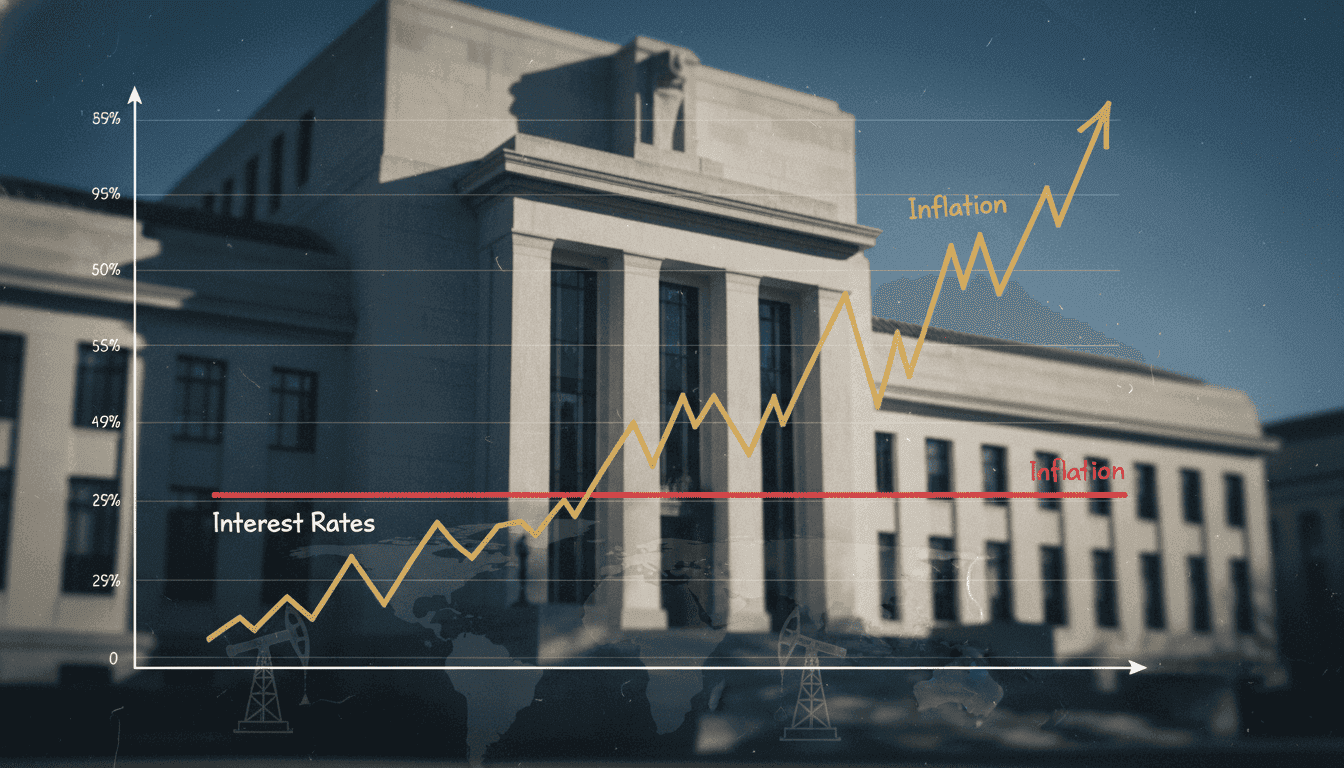
The Federal Reserve’s stance reflects a delicate balancing act. While the official inflation target remains at 2% annually, the Consumer Price Index (CPI) registered 3.3% in March, with economists forecasting a potential jump to 3.9% for April, primarily driven by escalating energy costs. US crude prices have soared by 7.31% to $107.24 a barrel, and Brent crude is up 7.26% at $119.34, touching its highest point since 2022. This surge has pushed the average U.S. price for a gallon of gasoline to $4.23, approximately $1.25 more than before the Middle East conflict intensified on February 28.
Federal Reserve Holds Rates Steady with Dissent
The decision to hold rates steady was not unanimous, revealing a growing divergence within the Federal Open Market Committee (FOMC). An 8-4 vote, the most dissenting votes since October 1992, highlights the complex economic signals policymakers are grappling with. Governor Stephen Miran advocated for a 0.25% rate cut, signaling concern over potential economic deceleration. Conversely, Governors Beth Hammack, Neel Kashkari, and Lorie Logan supported holding rates but expressed reservations about language in the official statement suggesting future rate cuts, indicating a more hawkish inclination to combat inflation.
Adding another layer of complexity is the impending leadership transition at the Fed. Current Federal Reserve Chair Jerome Powell’s term concludes on May 15. While he plans to remain on the board of governors, Kevin Warsh, President Trump’s nominee, has been confirmed by the Senate Banking Committee and is expected to assume the chairmanship. Warsh has publicly expressed support for rate cuts, potentially signaling a shift in future monetary policy direction.
The impact of the Federal Reserve’s decision ripples through various sectors. Companies are already feeling the pinch from the ongoing Middle East conflict, which Chairman Jerome Powell acknowledged as an “energy shock of some size and duration.” Booking Holdings, for example, has lowered its full-year 2026 outlook, citing the direct and indirect effects on the travel industry. The company reported that the conflict negatively impacted room-night growth by approximately 2 percentage points in the first quarter and now anticipates full-year revenue growth in the high single digits, a downgrade from its earlier forecast of low double-digit growth.
“The persistent rise in global energy prices and the geopolitical instability in the Middle East present a formidable challenge for central bankers, creating a delicate balance between managing inflation and supporting economic growth.”
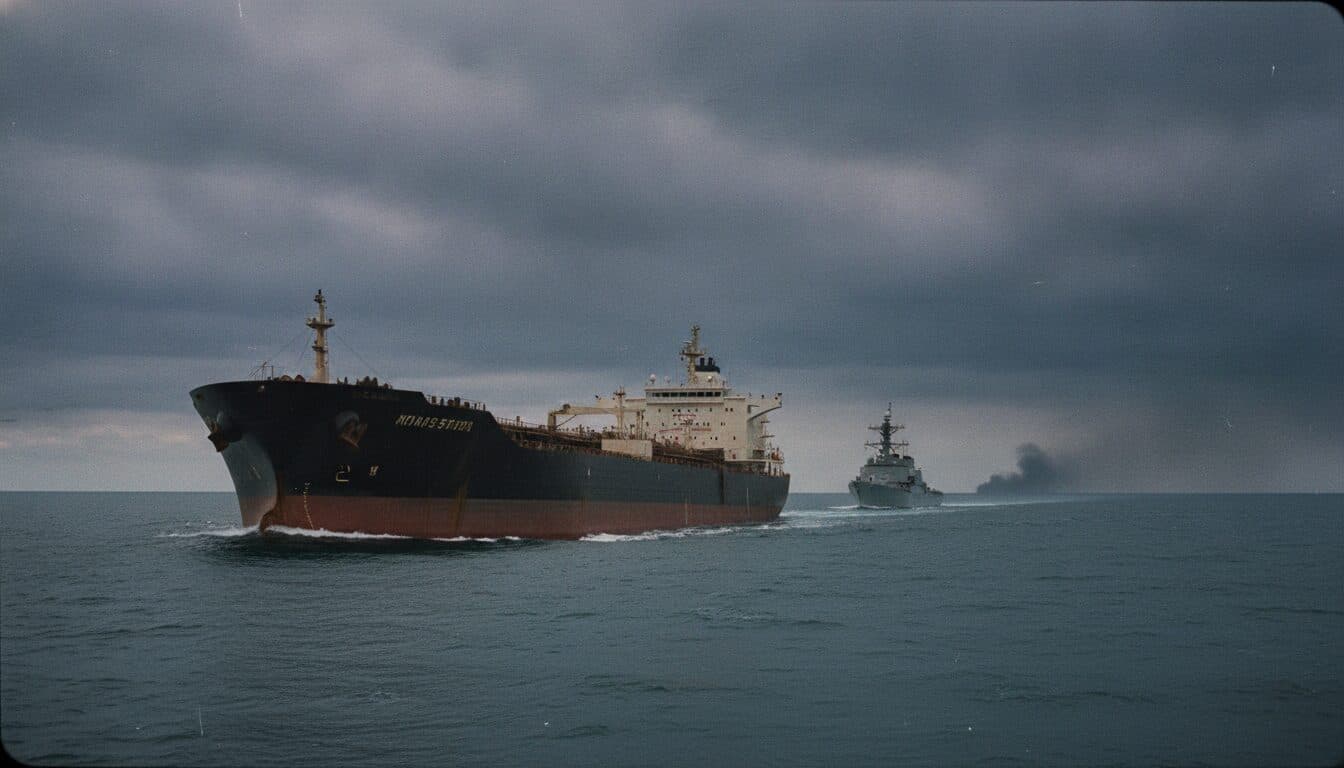
Geopolitical tensions continue to be a significant factor contributing to market uncertainty. Disruptions in critical global supply chains, particularly for oil, natural gas, and fertilizers, along with increased shipping costs, are becoming more pronounced. Warnings from Iran to ships in the Strait of Hormuz, a crucial transit corridor for approximately 20 million barrels of crude oil and petroleum products daily, underscore the potential for widespread global economic ripple effects.
The rise in oil prices directly impacts headline inflation and can have secondary effects on core inflation through increased production and transportation costs across various industries. While some analyses suggest the immediate impact of oil price spikes on monthly inflation data might be temporary, lasting 2-3 months, sustained high oil prices could lead to more persistent inflationary pressures. This environment creates a challenging dilemma for central banks, as rising prices can coincide with slower economic growth, a phenomenon known as stagflation, further complicating the Federal Reserve’s path.
Despite the current pause, the median Fed official forecast still projects one rate cut in 2026. However, the increasing inflation expectations and the volatile geopolitical landscape have led some economists to predict that the Federal Reserve may hold off on reductions until later in 2026 or even 2027. The incoming Fed Chair, Kevin Warsh, will inherit a complex economic environment requiring careful navigation of inflationary pressures, geopolitical risks, and the imperative to foster sustainable economic growth. Investors and businesses will be keenly watching for any signals from the new leadership regarding the future trajectory of interest rates and monetary policy.