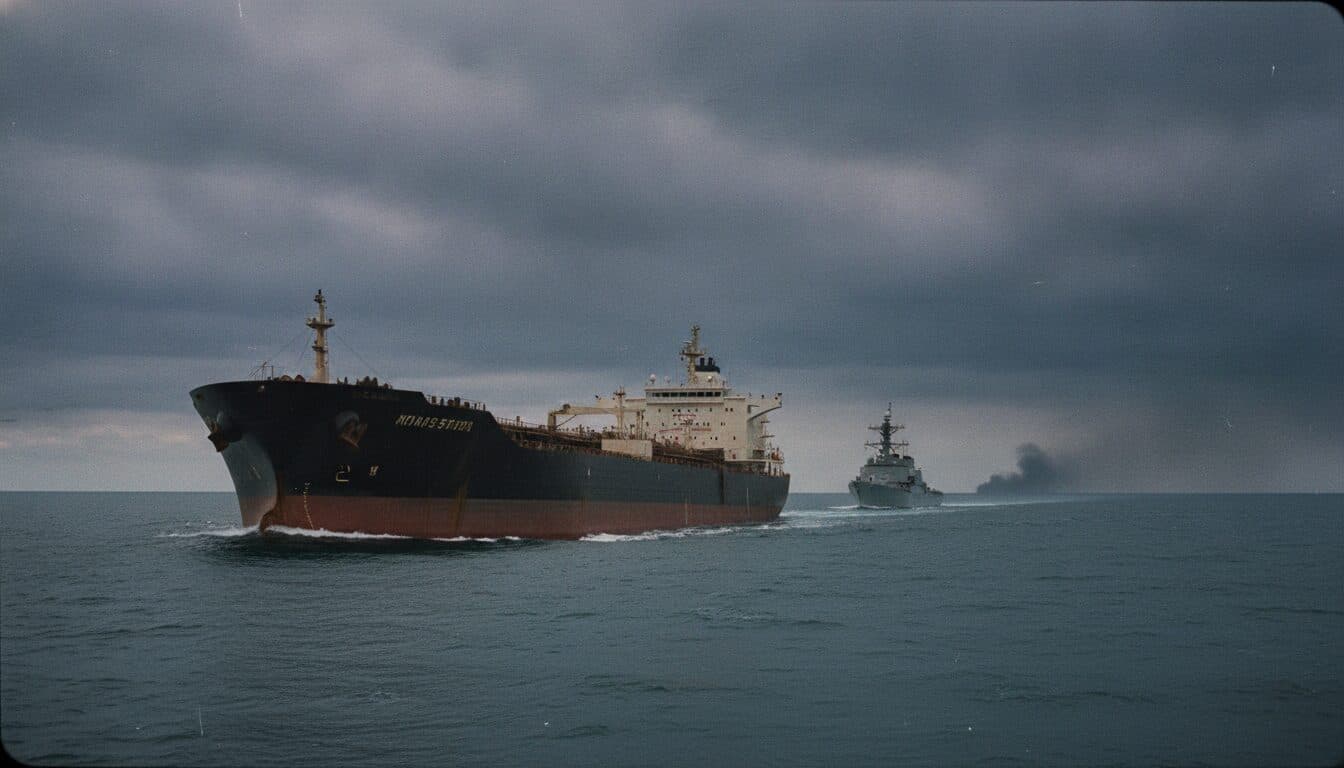
A Europe-led coalition Strait of Hormuz mission is preparing to reopen the critical waterway, marking a significant international response to escalating maritime security concerns. This initiative, emerging amidst heightened tensions and disruptions that have severely impacted global trade and energy supplies, signals a pivotal moment for global commerce and geopolitical stability.
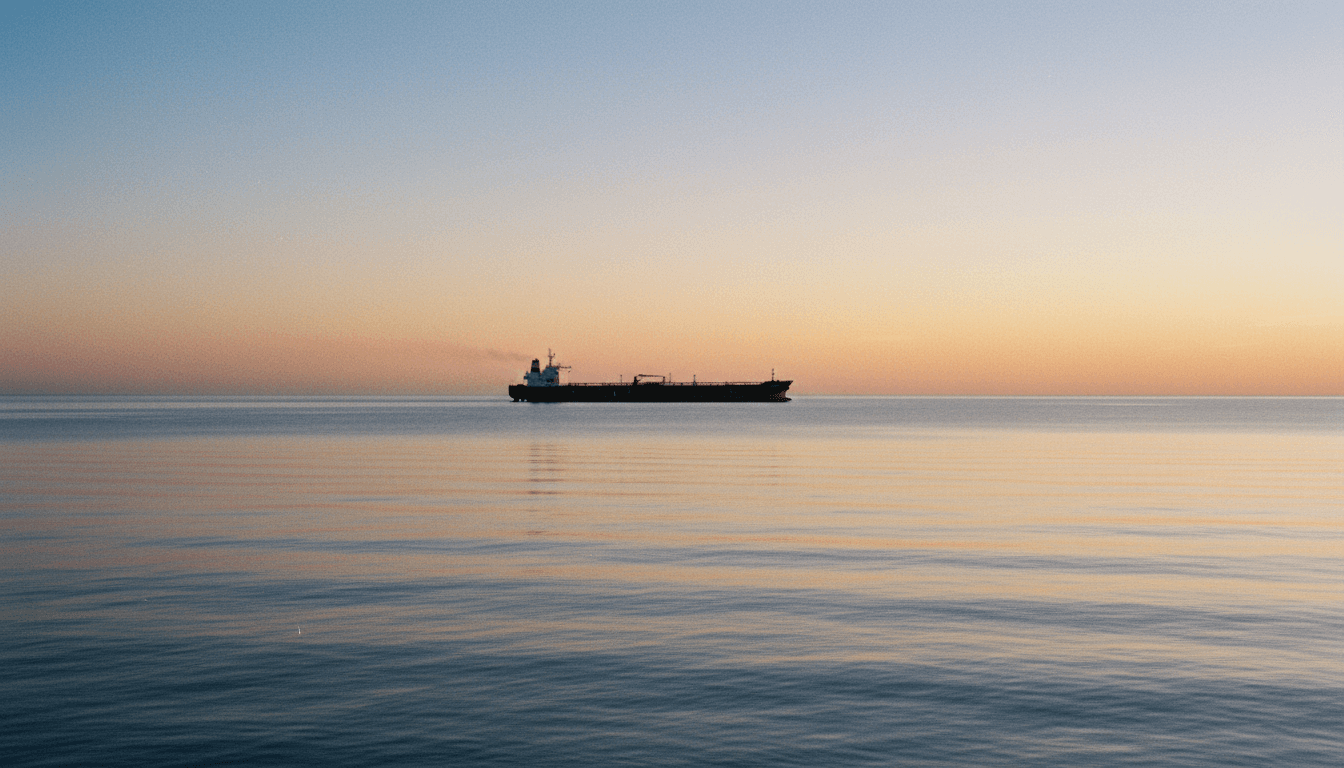
The Strait of Hormuz, a maritime chokepoint connecting the Persian Gulf to the Arabian Sea and Indian Ocean, is one of the world’s most strategically vital routes. Under normal conditions, approximately 20% of global oil and liquefied natural gas (LNG) trade transits through it. However, recent disruptions, including reported naval mine deployments by Iran, have caused daily traffic to plummet from an average of 135 transits to as low as 11-16 commercial vessels per day, leaving hundreds of vessels delayed or rerouted due to security fears.
The Coalition’s Mandate and Objectives
This new Europe-led mission is distinct from the existing European Maritime Awareness in the Strait of Hormuz (EMASoH), a French-led monitoring mission launched in January 2020. While EMASoH (Operation AGENOR) focuses on situational awareness and protecting maritime flows with participants like Belgium, Denmark, France, Germany, Greece, Italy, the Netherlands, Norway, and Portugal, the new initiative is being drafted as a post-conflict plan. Crucially, it explicitly excludes the United States, Israel, and Iran from command, aiming to maintain a neutral and de-escalatory stance. French President Emmanuel Macron has underscored that deployment will only occur “once calm has been restored and hostilities have ceased.”
The proposed European-led mission is set to tackle three primary objectives:
- Clearing the backlog of stranded vessels: A critical first step to restoring the flow of global shipping.
- Extensive demining operations: With Iran believed to have laid naval mines, this will be a major undertaking. European nations collectively possess over 150 minesweeping vessels, providing a strategic advantage.
- Ensuring long-term maritime security: This will involve continuous naval escorts and surveillance to guarantee the safe passage of commercial ships, mirroring the EU’s Operation Aspides in the Red Sea.
Britain and France are co-hosting meetings with approximately 40 nations to discuss maritime security in the Strait, focusing on freedom of navigation and protecting over 20,000 stranded sailors. Leaders including France’s Emmanuel Macron, the UK’s Keir Starmer, Germany’s Friedrich Merz, and Italy’s Giorgia Meloni are expected to participate in these crucial discussions.
Global Economic Tremors and Expert Divergence
The disruption in the Strait of Hormuz has already sent shockwaves through global markets. Oil prices have surged towards or exceeded $100 per barrel, maritime insurance premiums have skyrocketed, and refinery operations dependent on Gulf crude have been significantly hampered. The crisis has also severely impacted LNG shipments to both Asia and Europe, with nearly 40% of global nitrogen trade and 20% of LNG supply affected.
“Even after a ceasefire, military protection will be critical to restoring trade flows,” stresses Mujtaba Rahman of Eurasia Group, highlighting the necessity of a robust security presence.
The decision to exclude the U.S. from the command of this new European coalition underscores a growing strategic independence among European nations and a desire to avoid entanglement in broader regional conflicts. However, this approach is not without its critics. Nile Gardiner from the Heritage Foundation, for instance, has called a European coalition acting only after hostilities cease “laughable,” contending that U.S. “hard power” remains ultimately necessary to protect vital shipping lanes.
What Lies Ahead for the Europe-led Coalition Strait of Hormuz Effort
The path forward for the Europe-led coalition Strait of Hormuz mission will be complex, navigating not only the immediate security challenges but also delicate geopolitical considerations. The success of this mission will hinge on effective coordination among participating European nations, their ability to conduct large-scale demining and escort operations, and their diplomatic prowess in maintaining neutrality in a volatile region. The long-term implications could reshape maritime security paradigms, potentially establishing a precedent for independent European action in critical global chokepoints. As discussions progress and the mission takes shape, the world will be watching closely to see if this concerted European effort can truly restore stability and safeguard global trade in one of the most vital maritime arteries. For more trending stories, stay tuned to The Financial Standard.