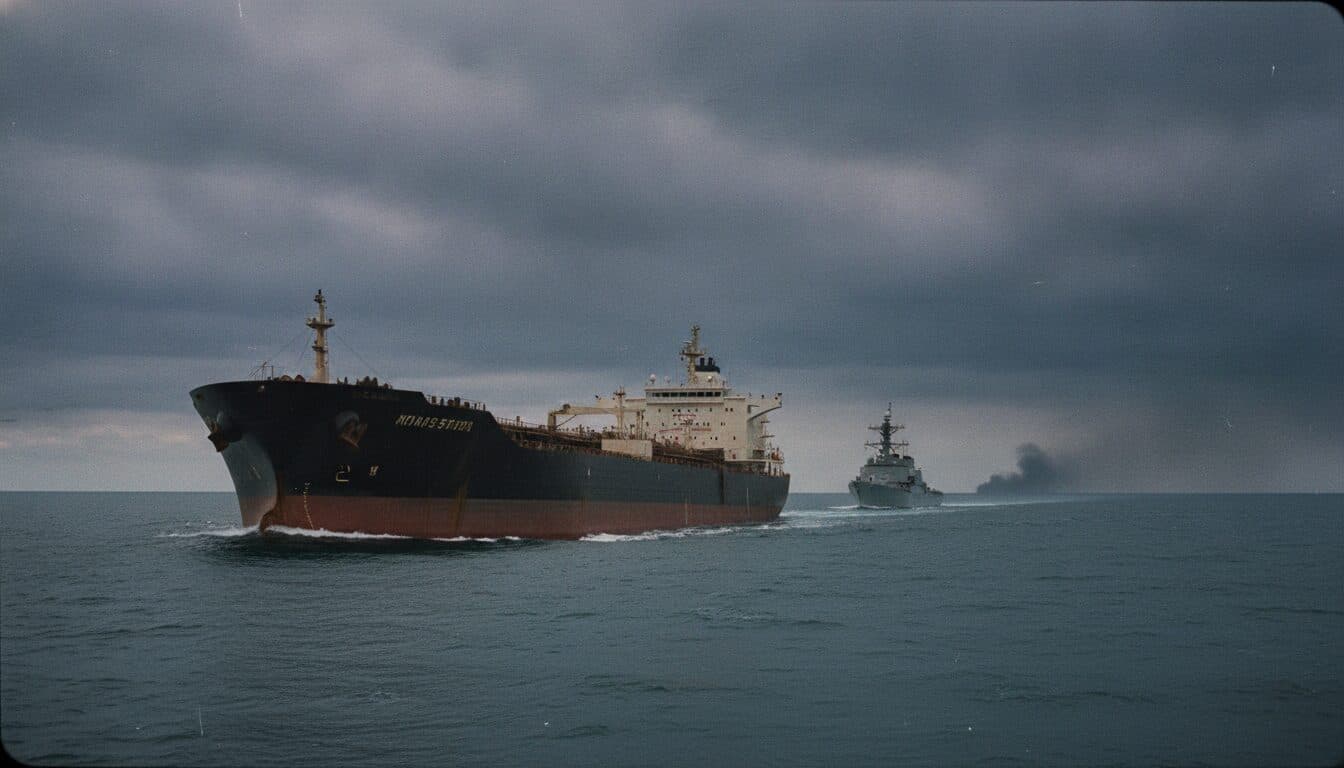
A critical Europe jet fuel crisis looms, threatening to severely disrupt travel and economic stability across the continent, with a global energy watchdog issuing a stark warning of potentially just “six weeks or so” of supply remaining. Fatih Birol, the Executive Director of the International Energy Agency (IEA), delivered this urgent message on Thursday, April 16, 2026, directly attributing the precarious situation to the ongoing Iran war and the resulting blockade of the Strait of Hormuz.
The implications are profound. Europe, which typically relies on the Middle East for 75% of its net jet fuel imports, finds itself in an unprecedented predicament. The effective closure of the Strait of Hormuz, a vital artery for Gulf oil exports, has choked off essential oil, gas, and other supplies, creating a ripple effect that extends far beyond the aviation sector. Adding to the gravity of the situation, more than 80 Persian Gulf energy facilities have been damaged in the conflict. Even if a peace agreement were to materialize tomorrow, recovery to pre-war production levels could take up to two years, signaling a prolonged period of instability.
The Unfolding Shortage: Facts and Figures
The data paints a grim picture. Europe’s current jet fuel reserves are estimated at approximately six weeks, a dramatic reduction from the typical six-week inventory airports and airlines usually maintain under normal circumstances. This isn’t merely a supply chain hiccup; it’s a fundamental deficit. While efforts have been made to source alternatives, Europe has only managed to replace just over half of the jet fuel supply lost from the Middle East. The US has stepped up its exports, reaching a record 442,000 barrels per day in the week to April 3, and some cargoes from Nigeria’s Dangote refinery are en route. However, these efforts are insufficient to bridge the substantial gap.
Prices are soaring, reflecting the acute scarcity. Brent crude oil futures, the global benchmark, remain more than 30% higher than before the war. European jet fuel hit an alarming record of $1,838 per tonne at the start of April, a staggering increase from approximately $831 before the conflict. This exponential rise in input costs is already forcing airlines to make difficult decisions, impacting both operational strategies and consumer prices.
“This is the largest energy crisis we have ever faced,” Fatih Birol stated, warning that flight cancellations would occur “soon” if oil supplies from the Middle East are not restored in the coming weeks. “No country is immune to this crisis.”
Economic Fallout and Travel Disruption
The immediate consequence of this critical Europe jet fuel crisis is already being felt in the aviation industry. Airlines are grappling with the soaring cost of kerosene, which can account for up to a quarter of their operating expenses. KLM, part of the Air France-KLM group, has already announced plans to cut 160 flights in the coming month, despite having hedged 87% of its fuel exposure. EasyJet has warned that the war’s impact on bookings and oil prices will significantly hit its profits, with fuel costs increasing by £25 million in the last month alone.
Consumers should prepare for higher airfares, reduced flight options, or a combination of both. The ripple effects extend beyond the travel sector. The IEA has issued a grim forecast of “slow growth or even recession” globally. Economies heavily reliant on tourism, such as Greece, are particularly vulnerable. A Greek think tank has already cut its forecast for economic growth this year to 1.8% from 2.2%, citing the war’s impact on visitor incomes and travel decisions. The UK, importing around 65% of its jet fuel demand, is identified as the most vulnerable European country, with some nations holding as little as 20 days of inventory.
Context and Expert Perspectives on Europe Jet Fuel Crisis
The current predicament stems from the US-Israel war on Iran, which commenced with strikes at the end of February. Iran’s retaliation by effectively closing the Strait of Hormuz immediately escalated the situation. While a two-week ceasefire was initially agreed upon, subsequent talks to end the war failed, and indirect negotiations brokered by Pakistan are ongoing. This geopolitical volatility is compounded by underlying structural issues within the energy sector, specifically refinery bottlenecks and a mismatch in refining capacity. Even if crude oil were readily available, the ability to produce sufficient aviation-grade kerosene remains a significant challenge.
Aviation expert John Gradek has starkly described the situation as the “worst crisis we’ve had in aviation, ever,” surpassing even 9/11 and COVID-19, as those events did not involve a fundamental issue with supply. Birol’s warnings reiterate that the longer the crisis persists, the more severe the impact will be on global economic growth and inflation, leading to “higher petrol prices, higher gas prices, high electricity prices.” While developing nations in Asia, Africa, and Latin America are expected to suffer the most, the interconnectedness of the global economy ensures that no region will escape unscathed. Airports Council International (ACI) Europe had previously warned EU energy and transport commissioners that the bloc was merely three weeks away from shortages, a warning that now appears prescient.
What’s Next: Navigating the Uncertainty
The immediate future remains highly uncertain. The success of ongoing indirect talks to de-escalate the Iran conflict will be paramount. Any resolution that reopens the Strait of Hormuz would provide much-needed relief, but even then, the damaged infrastructure in the Persian Gulf means a full recovery of production levels is years away. In the interim, Europe will continue its scramble to secure alternative supplies, likely relying more heavily on US exports and emerging refining capacities like Nigeria’s. However, these are stop-gap measures, not long-term solutions.
Governments and airlines will face immense pressure to implement contingency plans, which could include further flight reductions, rationing of fuel, or even temporary grounding of aircraft. The potential for a significant economic downturn driven by escalating energy costs and disrupted global trade is a serious concern. Businesses reliant on air freight will experience delays and increased costs, impacting supply chains across various industries.
The unfolding Europe jet fuel crisis is a potent reminder of the fragility of global energy supply chains and the profound economic consequences of geopolitical instability. As the continent stares down the barrel of potentially just six weeks of supply, the world watches to see if diplomacy can avert a full-blown economic and travel catastrophe, or if the skies over Europe will soon grow quieter.