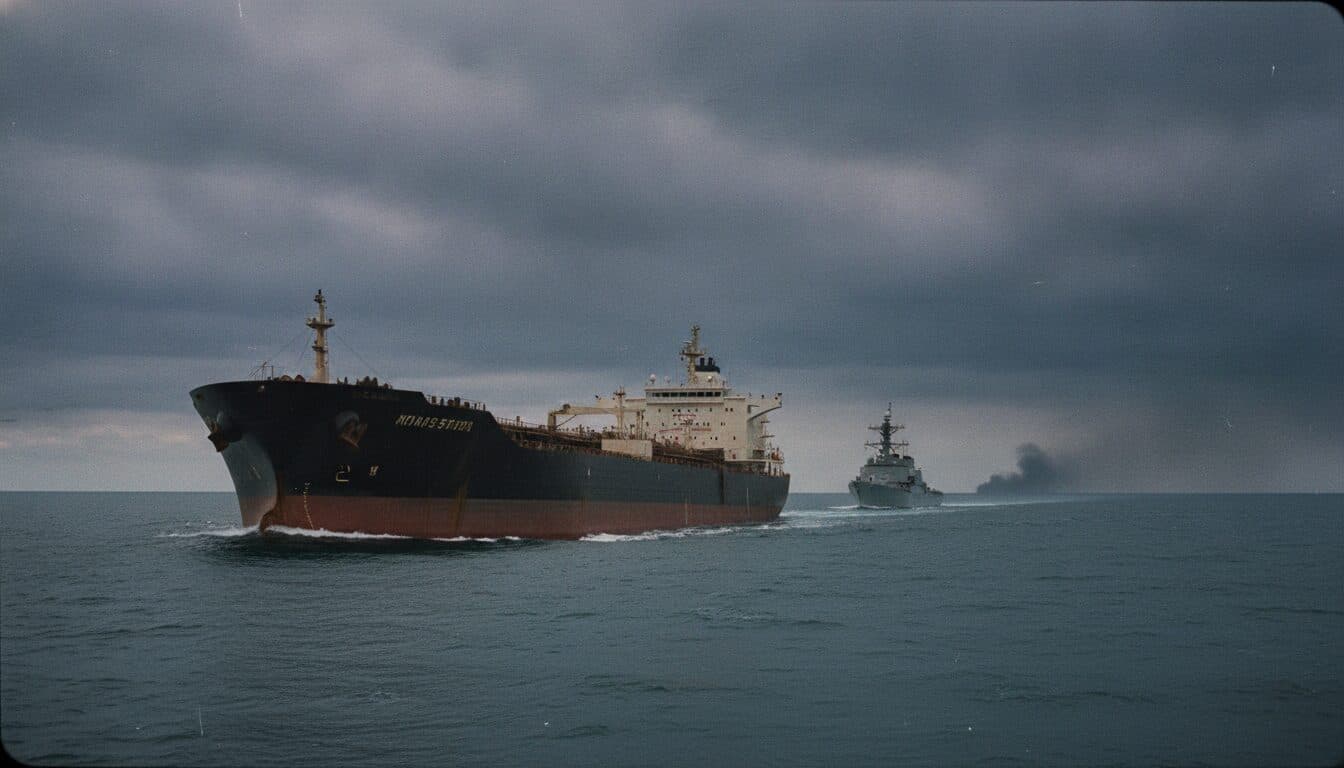
A major EU approves Ukraine loan package of €90 billion, a decision that not only injects a crucial financial lifeline into the war-torn nation but simultaneously signals the restoration of critical energy flows, ending a protracted political deadlock within the bloc. This monumental approval, finalized today, Wednesday, April 22, 2026, marks a pivotal moment for both Kyiv’s resilience and Brussels’ unified geopolitical stance, reverberating across global financial and energy markets.
The €90 billion loan package, designed to cover Ukraine’s urgent financial needs for 2026 and 2027, has been meticulously structured to address both immediate budgetary shortfalls and long-term defense requirements. Of this substantial sum, €30 billion is earmarked as macro-financial assistance, channelled through the EU’s Ukraine Facility to bolster the national budget. A further €60 billion is specifically allocated to fortify Ukraine’s defense capabilities, directly supporting the procurement of essential military equipment. This zero-interest loan is crucial for plugging Ukraine’s estimated financing gap, thereby sustaining the flow of support from the International Monetary Fund (IMF) and enabling the country to maintain its vital defense efforts against ongoing aggression.
This financial commitment is part of the broader Ukraine Facility, an ambitious instrument designed to provide up to €50 billion in predictable and flexible financial support to Ukraine between 2024 and 2027. As of January 2025, the EU had already disbursed USD 17.3 billion under this facility, underscoring its role as the largest donor of financial assistance to Ukraine in 2024. The financing mechanism for the newly approved loan is particularly noteworthy: it will be funded through common EU borrowing from capital markets, guaranteed by the ‘headroom’ of the EU’s long-term budget, with debt-servicing costs absorbed by the EU’s annual budgets. This approach represents a significant step towards the issuance of Eurobonds, a mechanism that has historically faced strong opposition from certain member states, notably Germany.
The Pipeline Connection: A Geopolitical Lever
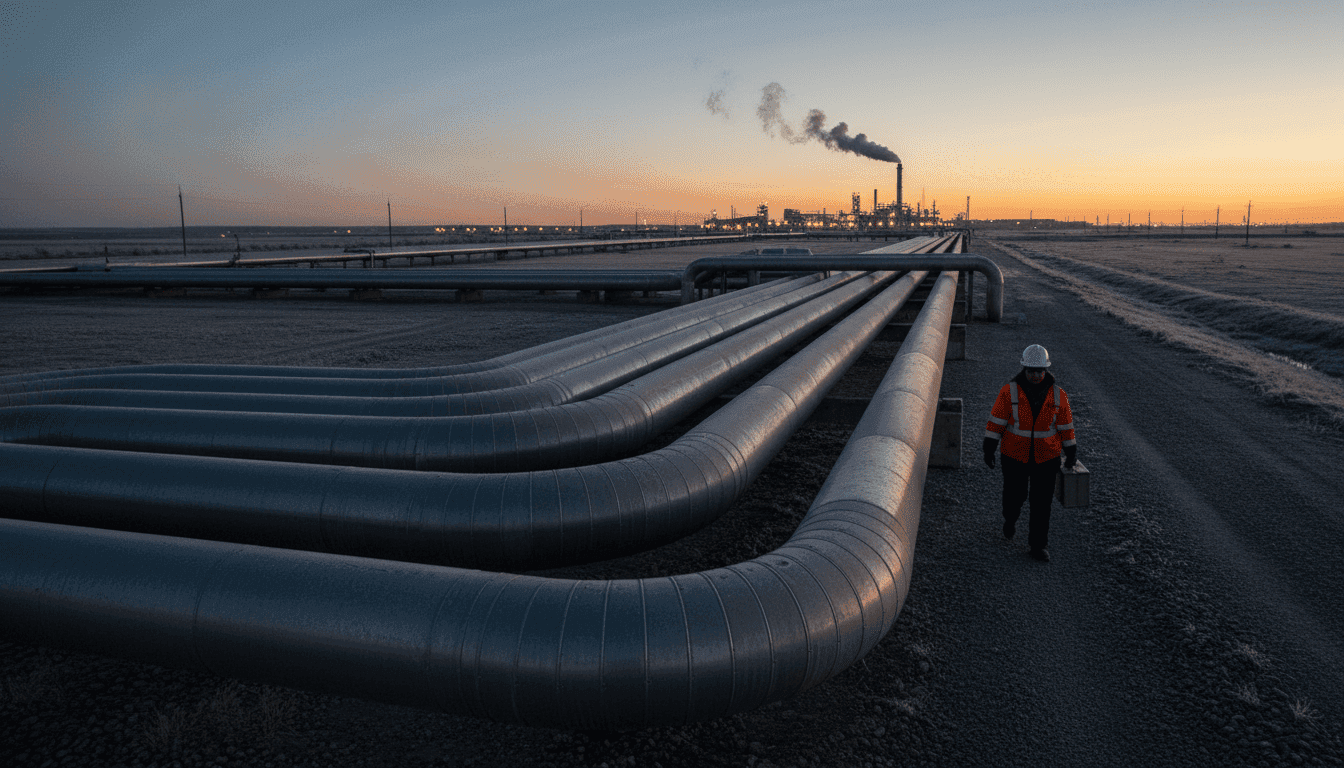
The approval of the €90 billion loan was inextricably linked to the resumption of oil flows through the Druzhba pipeline, a critical artery supplying Russian oil to Hungary and Slovakia. This pipeline had been out of commission since January, following damage from Russian strikes. Hungary, under Prime Minister Viktor Orbán, had strategically used its veto power over the loan’s approval, explicitly tying its consent to the restoration of oil transit. This diplomatic manoeuvre underscored the complex interplay of energy security and geopolitical leverage within the EU, highlighting how individual member state interests can impact collective action. Ukraine ultimately confirmed that repair work on the damaged sections of the Druzhba pipeline was completed, paving the way for the EU approves Ukraine loan decision.
“The conditional approval of this loan, tied to the restoration of the Druzhba pipeline, showcases the intricate web of dependencies and political negotiations that define Europe’s response to the conflict. It’s a testament to the EU’s capacity to find consensus, even amidst significant internal pressures.”
The timeline for this critical package saw the European Parliament approve the necessary legislation on February 11, 2026. However, the final hurdle was cleared today, April 22, 2026, when EU ambassadors gave their definitive approval, following the lifting of vetoes by Hungary and Slovakia. The first tranche of this vital financial aid is now anticipated to be disbursed to Kyiv in late May or early June 2026, providing immediate relief to Ukraine’s strained finances.
Global Impact and Expert Analysis
The EU approves Ukraine loan package is widely regarded by experts as an indispensable lifeline, preventing Ukraine from facing a critical funding shortfall by early 2026. This financial injection is expected to ensure Ukraine’s macroeconomic stability, bolstering its resilience and potentially strengthening its bargaining position in any future peace negotiations. Furthermore, the loan’s conditionality, which prioritizes the procurement of weapons and military equipment from European manufacturers, is seen as a deliberate strategy by Brussels to invigorate and expand Europe’s own defense industrial base, fostering greater strategic autonomy.
However, the financing mechanism, particularly the reliance on common EU borrowing, has ignited broader discussions within financial markets. The European Commission has acknowledged the potential for “knock-on effects” if the loan, especially if it were to be perceived as linked to the use of frozen Russian assets, is internationally interpreted as a “confiscation.” While this €90 billion package is substantial, it may not entirely bridge Ukraine’s estimated €130 billion funding gap for 2026-2027, suggesting that further deliberations on the utilization of Russia’s immobilized reserves could well be on the horizon. For more trending stories, visit our news section.
What Lies Ahead: Plugging the Gap
The resolution of the loan deadlock and the restoration of the Druzhba pipeline underscore the complex geopolitical tightrope walked by the EU. Hungary’s position, deeply influenced by its reliance on Russian oil and its own domestic political landscape, presented a significant obstacle to a unified European front. While Ukraine desperately needed the financial aid, it initially faced pressure to allow inspections of the damaged pipeline, with some EU officials suggesting Kyiv might have been overstating the extent of the damage. Ultimately, the confirmation of repairs cleared the path for this pivotal financial package.
This €90 billion financial package is not an isolated event but rather a crucial component of the EU’s broader and unwavering commitment to supporting Ukraine across a multitude of sectors, encompassing humanitarian aid, robust economic measures, and extensive military assistance. Indeed, the EU’s total commitments to Ukraine now nearly double those of the United States, highlighting Europe’s leading role in bolstering Kyiv’s long-term viability and defense. The successful navigation of this complex approval process, culminating in the EU approves Ukraine loan decision, demonstrates the bloc’s evolving capacity for collective action in the face of unprecedented challenges.
As Ukraine continues its arduous journey, this financial package represents not just money, but a profound statement of enduring European solidarity. The coming months will reveal how effectively this aid translates into tangible improvements on the ground, and whether it truly sets Ukraine on a stronger path towards recovery and eventual EU membership, while simultaneously shaping the future of European defense and financial integration.