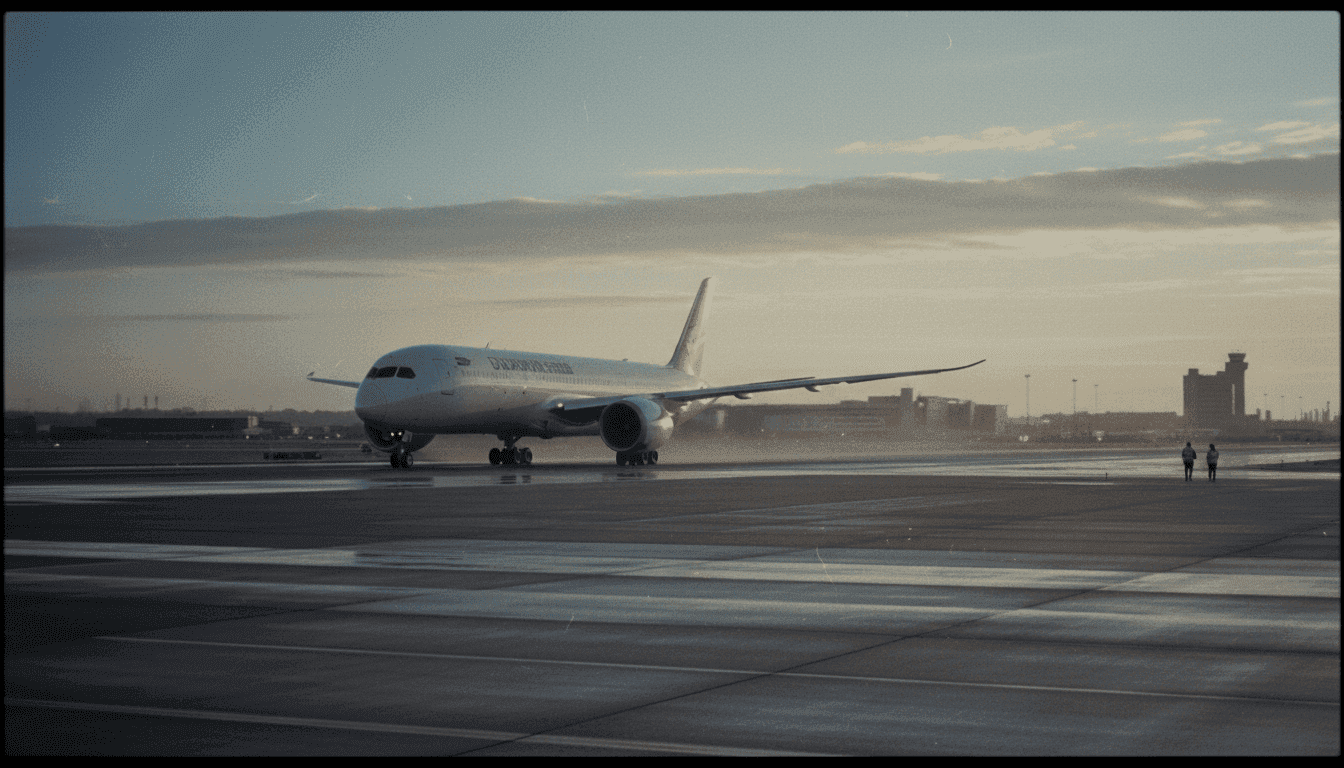
Cairo, Egypt – May 3, 2026, marked a significant moment for Egypt’s national carrier, EgyptAir, as it took delivery of its first Boeing 737 MAX 8 aircraft. This key event, facilitated by Dublin-based lessor SMBC Aviation Capital, represents a substantial stride in EgyptAir Holding Company’s ambitious fleet modernization strategy, introducing the advanced 737 MAX family to the nation’s skies and underscoring Boeing’s continued global market presence.
The arrival of the 737-8 is not an isolated incident but the vanguard of a broader initiative. It is the first of 18 Boeing 737 MAX aircraft EgyptAir is leasing from SMBC Aviation Capital, signaling a substantial investment in operational efficiency and an enhanced passenger experience. The financial implications of this 18-aircraft lease are considerable, reflecting a strategic move by EgyptAir to bolster its short- and medium-haul capabilities while aligning with global aviation’s push for sustainability.
EgyptAir Modernization Drives Efficiency and Growth
The integration of the 737-8 aligns squarely with EgyptAir Holding’s overarching fleet modernization strategy. Captain Ahmed Adel, chairman and CEO of EgyptAir Holding Company, emphasized the strategic importance, stating,
“The delivery of our first Boeing 737 MAX marks a significant milestone in our fleet modernization strategy. By integrating the 737-8 into our operations, EgyptAir Holding is committed to providing our passengers with a superior travel experience while achieving greater operational efficiency.”
His remarks highlight a dual focus: elevating customer service and optimizing operational performance across the airline’s network. The chairman further underscored the aircraft’s advanced technology and reduced environmental footprint, aligning with EgyptAir’s vision for sustainable growth and maintaining a young, state-of-the-art fleet.
From an environmental and economic perspective, the new 737-8 aircraft offers compelling advantages. It boasts a 20% reduction in fuel use and emissions compared to the airplanes it replaces. This efficiency gain is primarily attributed to its state-of-the-art CFM International LEAP-1B engines and advanced aerodynamic improvements, including distinctive split-tip winglets. Industry analyses estimate the 737 MAX 8 to be between 15% and 24% more fuel-efficient than the Boeing 737-800 on a seats-per-gallon basis, a critical factor for airlines navigating volatile fuel prices and increasing regulatory pressure.
EgyptAir plans to strategically deploy these new 737-8 aircraft on its crucial short- and medium-haul routes. Key European and Middle Eastern cities such as Paris, Brussels, Istanbul, and Vienna are slated to be among the initial destinations benefiting from the upgraded fleet. The 737-8 will operate alongside EgyptAir’s existing fleet of 30 Next-Generation 737 jets, ensuring operational commonality and streamlining maintenance and training processes.
This latest delivery further solidifies the enduring partnership between Boeing and EgyptAir, a relationship that spans over six decades. Anbessie Yitbarek, Boeing Vice President of Commercial Sales and Marketing for Africa, commented, “The 737 MAX offers the efficiency, range and passenger comfort airlines need as they grow and enhance their operations. With this delivery, we build on 60 years of partnership with EgyptAir and welcome them as a 737 MAX operator.” Barry Flannery, Chief Commercial Officer at SMBC Aviation Capital, also expressed enthusiasm for supporting EgyptAir’s fleet modernization strategy, highlighting their commitment to providing efficient, next-generation aircraft.
The broader modernization blueprint for EgyptAir is ambitious, aiming to expand its total fleet to 97 aircraft by fiscal year 2030/2031. This expansion includes the 18 Boeing 737-8 MAX aircraft and an additional 16 Airbus A350-900s. The airline currently operates a diverse fleet, including five Boeing 777s and eight Boeing 787 Dreamliner jets. In a forward-looking move to support this expansion, the EgyptAir Training Academy is incorporating a new Boeing 737 MAX full flight simulator at its Cairo-based training center, ensuring a steady supply of qualified pilots for the new aircraft.
For investors and industry observers, the delivery of the first Boeing 737 MAX to EgyptAir signals a robust recovery and expansion phase for global aviation. It underscores the continued confidence in Boeing’s flagship narrow-body aircraft, despite its past challenges, and highlights the strategic importance of fleet renewal for airlines seeking competitive advantages in efficiency and passenger experience. This move by EgyptAir is a clear indication that airlines are prioritizing long-term sustainable growth, leveraging advanced aircraft technology to meet evolving market demands and environmental mandates. The coming years will reveal the full impact of this significant fleet upgrade on EgyptAir’s market position and profitability.