Russian President Vladimir Putin’s visit to China signals deepening anti-U.S. alliance, marking his first foreign trip since his recent inauguration and underscoring a profound strategic realignment in global geopolitics. Occurring on May 16-17, 2024, this high-stakes meeting, timed with the 75th anniversary of diplomatic ties between Moscow and Beijing, has been widely interpreted as a deliberate message to Washington and its allies about a coalescing front against perceived American dominance.
The choice of China for Putin’s initial post-re-election foray speaks volumes about the priority both nations place on their bilateral relationship. This diplomatic sequence was particularly noteworthy, following closely on the heels of a visit by former U.S. President Donald Trump to Beijing, illustrating China’s expanding diplomatic influence as it navigates engagement with rival global powers. The ‘no-limits’ partnership, famously declared in February 2022 just prior to Russia’s full-scale invasion of Ukraine, has demonstrably deepened, with China providing crucial diplomatic and economic lifelines to Russia amidst stringent Western sanctions and international isolation.
The Strengthening Sino-Russian Axis
At the heart of this evolving relationship is a shared worldview held by both Putin and Xi Jinping, one that views Western efforts to promote democracy as thinly veiled attempts to undermine their authoritarian systems. Joint statements from the two leaders consistently criticize U.S. military alliances in the Asia-Pacific region and vociferously oppose what they perceive as American hegemony. Their collective vision champions a ‘multipolar world order,’ explicitly designed to dismantle perceived American dominance and foster a more diffuse distribution of global power.
The economic interdependence between Russia and China has become increasingly pronounced, particularly since the Ukraine conflict. China now stands as Russia’s top trading partner, a major consumer of its oil and gas, and a vital source for components necessary to sustain Russia’s war efforts. A 2014 central bank liquidity swap line agreement, valued at 150 billion yuan, was established to mitigate American sanctions, and Russia’s reliance on the Chinese yuan has surged dramatically since 2022, further cementing this financial bond. This deepening anti-U.S. alliance has concrete economic ramifications.
Beyond economics, military cooperation has intensified. Over half of the 102 joint military exercises conducted by Russia and China since 2003 have taken place within the last seven years, including large-scale naval and air drills. This significant increase in joint maneuvers signals a growing military alignment and a readiness to project combined strategic interests.
“China is the only country that can effectively ignore sanctions against Russia, largely due to its own leverage over the U.S. through critical supplies like rare earths. This gives Beijing a unique position in shaping the global response to the conflict in Ukraine and the broader international order.”
While China has refrained from directly supplying lethal weapons to Russia, it has exported substantial quantities of dual-use items with clear military applications, sometimes navigating around existing sanctions regimes, as observed by experts like Alexander Gabuev, director of the Carnegie Eurasia Russia Center. This nuanced support underscores Beijing’s strategic balancing act.
Global Market Repercussions
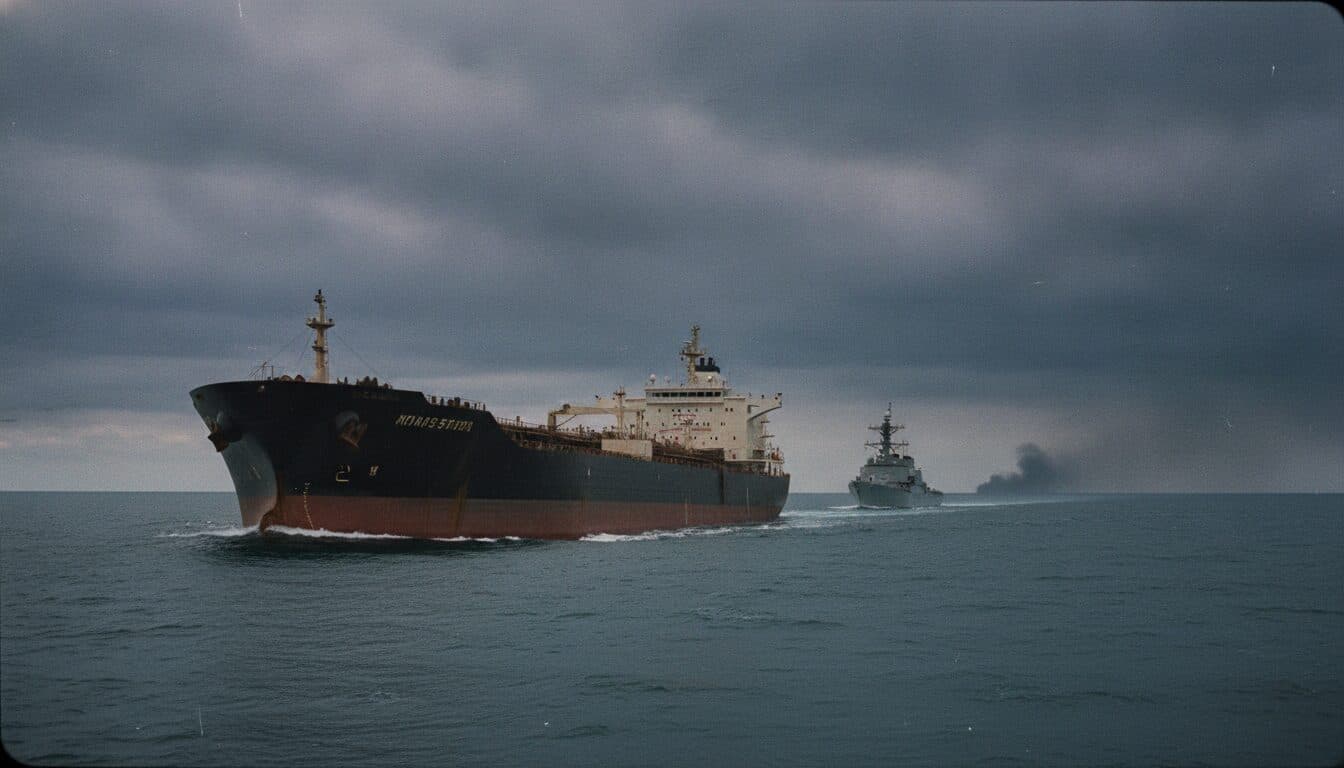
The implications of this deepening anti-U.S. alliance reverberate across global markets, particularly within the energy sector. Russia remains a consistent energy supplier, with its oil exports to China surging by 35% in the first quarter of 2026. This collaboration not only bolsters energy security for both nations but also exerts considerable influence on global energy prices. Furthermore, the increased adoption of the Chinese yuan in bilateral trade transactions is gradually reshaping currency markets, diminishing the traditional reliance on the U.S. dollar.
This strategic alignment unfolds against a backdrop of declining global trust in the United States. Data from the Munich Security Conference reveals a clear downward trend in confidence across both advanced and emerging economies. Trust in the U.S. has notably decreased across all surveyed G7 and BRICS nations, with Canada experiencing a steep drop of -52%. Key European allies such as Italy, France, and Germany report declines between -15% and -21%. This erosion of trust is attributed to factors including policy uncertainty, shifting trade positions, tariff threats, and rhetoric surrounding territorial expansion. Many analysts also point to the policies of the Trump administration, which were perceived by some as undermining U.S. power, fracturing allied trust, and withdrawing from multilateral organizations. This chaotic global environment compels nations to re-evaluate their alliances and strategic positions.
For more trending stories, visit our news section.
What Lies Ahead
Looking forward, the strengthening bond between Russia and China suggests a continued push towards a multipolar global order, challenging the existing unipolar framework. The trajectory of this partnership will be heavily influenced by the ongoing conflict in Ukraine, the evolving U.S. geopolitical strategy, and internal economic pressures within both Russia and China. Observers will be keenly watching for further military cooperation, shifts in global trade patterns, and the continued erosion of U.S. dollar dominance in international transactions. The world is witnessing a significant re-calibration of power, with the deepening anti-U.S. alliance at its forefront.