The deepening Cuban energy crisis has ignited widespread unrest across the island, with citizens reportedly ransacking Communist Party offices and taking to the streets in frustration. This escalating situation, characterized by crippling blackouts and critical fuel shortages, represents a significant challenge to the government and carries global implications for stability in the Caribbean. As of Sunday, March 15, 2026, the protests have intensified, marking a critical moment for the nation.
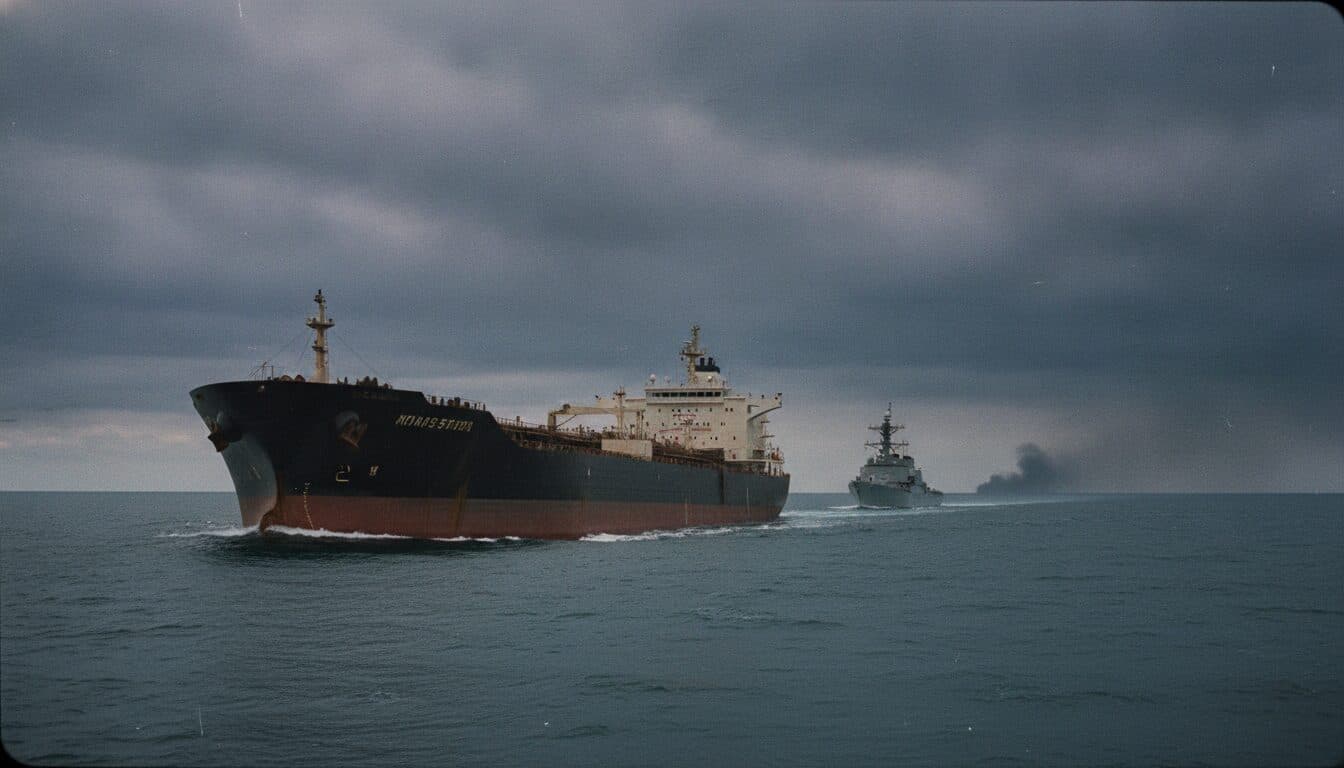
Cubans are enduring daily power outages spanning 8 to 20 hours, and in some regions, even longer. These prolonged blackouts are not merely an inconvenience; they cripple essential services, including hospitals, schools, and water supply, as electric pumps necessary for water distribution are rendered inoperable. Even Havana, traditionally somewhat insulated from the worst of these cuts, is now significantly impacted. The immediate catalyst for the current wave of unrest is the acute fuel shortage. Cuba’s daily fuel demand exceeds 100,000 barrels, yet it faces a staggering deficit of 60,000 barrels. Historically reliant on Venezuela and Mexico for oil, shipments from these nations have drastically decreased. Further exacerbating the scarcity, the United States has maintained an “oil blockade” and threatened tariffs on countries supplying oil to Cuba, with reports indicating no petroleum shipments had arrived in Cuba for three months as of March 2026.
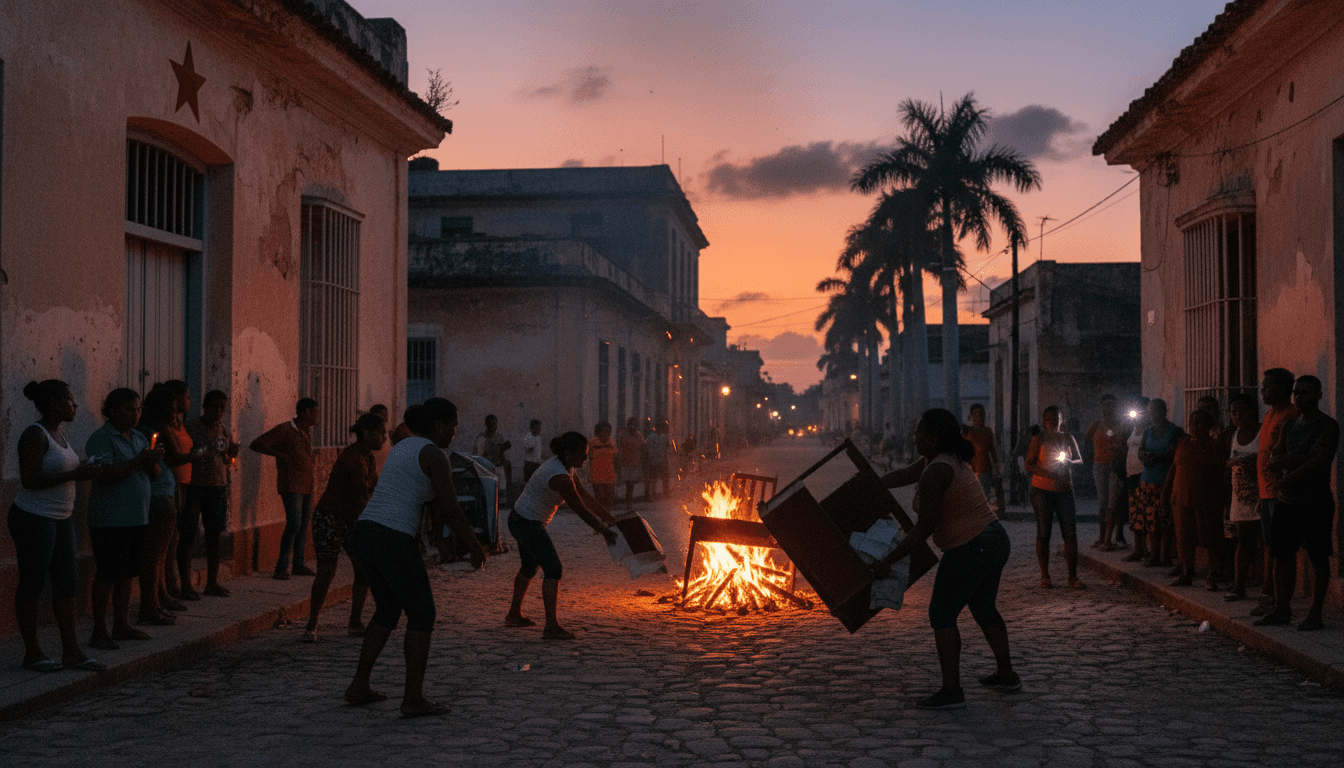
The public’s frustration has boiled over into widespread protests and acts of civil unrest. In a particularly notable incident, demonstrators in Morón, a town 500 kilometers east of Havana, reportedly stormed and set fire to a local Communist Party headquarters. They removed documents, computers, and furniture, burning them in the street. Similar acts of “vandalism” against other state institutions, including a pharmacy and a shop, have also been reported, leading to five arrests in connection with the Morón incident. Protests have also manifested as citizens banging pots and pans in the streets and from their homes, particularly in Havana and Matanzas. This surge in public dissent echoes previous demonstrations in March 2024 and July 2021, both fueled by persistent food and power shortages, highlighting a growing and sustained discontent with the government’s inability to address these crises.
Deepening Cuban Energy Crisis: Roots and Repercussions
The structural vulnerabilities underlying the deepening Cuban energy crisis are profound. Cuba’s electricity grid is largely obsolete and poorly maintained. Most of the country’s seven thermoelectric plants are over 30 years old, with some nearing 50 years – well beyond their intended operational lifespan of 25-30 years. These plants, which rely on Cuban crude oil, suffer frequent breakdowns and lack major maintenance due to severe financial limitations and difficulties in acquiring spare parts. The Antonio Guiteras thermoelectric plant, one of the largest, has experienced significant failures, including a boiler leak and a fire, contributing to widespread outages. Cuba remains heavily reliant on fossil fuels, with 95% of its electricity generated from these sources as of 2021. While efforts are underway to increase renewable energy, such as solar parks, these initiatives face challenges like the need for baseload power and battery storage.
“Without energy, there can be no economy, no education, no healthcare, no food production.”
This stark assessment from energy expert Jorge Piñón, who leads a team at the University of Texas tracking Cuban oil, underscores the gravity of the situation. He estimates that Cuba would need $8 billion to $10 billion over a decade to recapitalize its electricity sector. Ricardo Torres, an economics expert at American University, observes that 50% to 60% of consumers bear the brunt of the blackouts, and while solar power offers some relief, the thermal power plants remain the backbone of the system. Analysts also point to the Cuban government’s “incompetence and ineptitude” in managing the outages, further fueling public anger.
The market impact of this crisis is severe. The Cuban economy, already struggling with limited productivity and high inflation, has been hit hard. Businesses are forced to close or reduce operating hours, and the vital tourism sector is affected, with hotels running out of fuel for generators. Cuba’s GDP could shrink by 3% in 2024, marking the third consecutive year of economic contraction. The lack of fuel has also crippled agriculture, threatening food supply and disrupting water systems, creating a compounding humanitarian crisis.
The current turmoil has deep historical roots, echoing the “Special Period” of severe shortages that followed the collapse of the Soviet Union in the early 1990s, which ended Cuba’s primary oil supply. While Venezuela provided temporary relief in the 2000s, its own economic crisis after 2016 drastically reduced oil shipments. The 66-year-old US embargo against Cuba further complicates the situation by limiting access to equipment and materials for infrastructure maintenance. The current US administration under Donald Trump has intensified pressure, openly stating a desire for “regime change” in Havana. Cuban President Miguel Díaz-Canel has acknowledged the “discontent our people feel because of the prolonged blackouts,” but has firmly stated he will not tolerate “violence and vandalism.”
Looking ahead, the situation in Cuba is poised for further volatility. The ongoing fuel crisis, coupled with an aging and failing infrastructure, suggests that prolonged blackouts will continue unless significant international intervention or a drastic shift in domestic policy occurs. The increasing boldness of protests, including direct actions against Communist Party offices, indicates a growing desperation among the populace. The government’s ability to quell unrest while simultaneously addressing the root causes of the energy crisis will be paramount. International observers will be watching closely for any shifts in US policy or potential humanitarian responses, as the island nation grapples with what could become an even more profound period of instability. For more on global economic shifts, visit more trending stories.