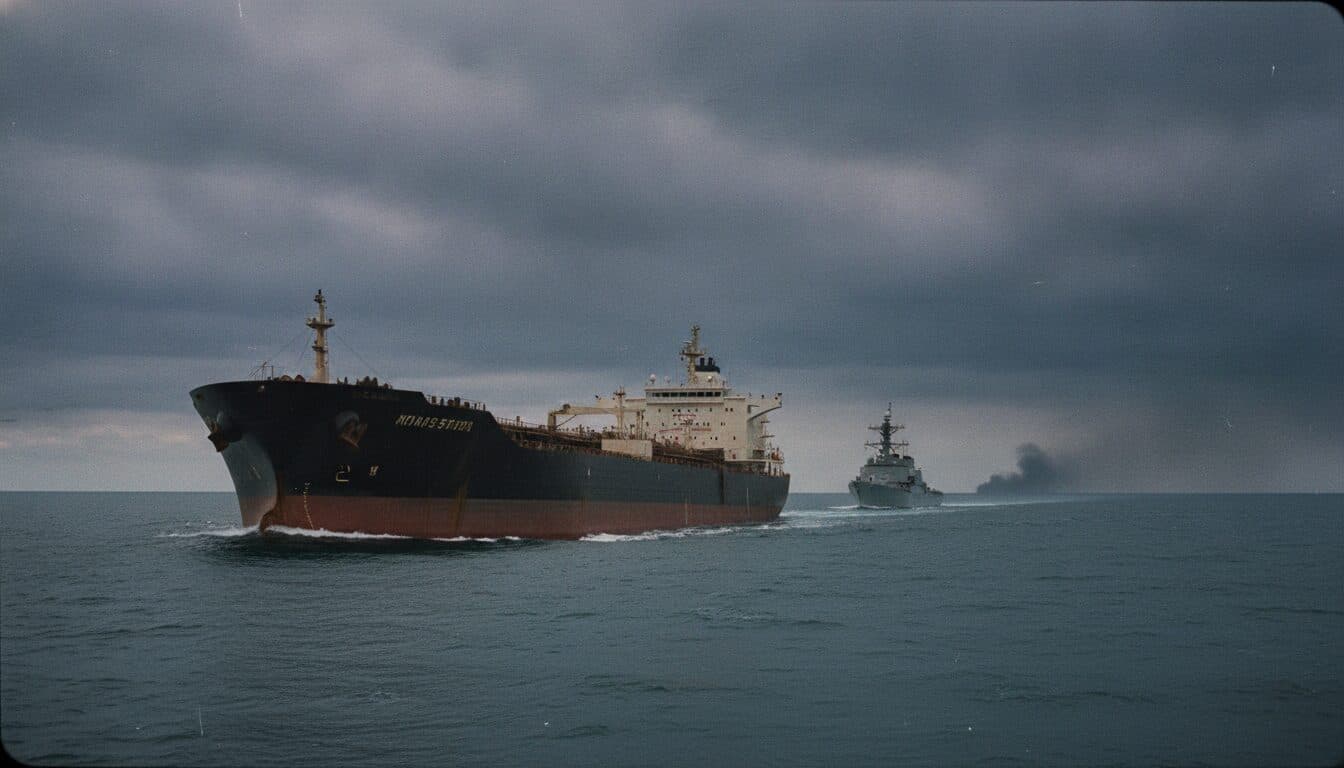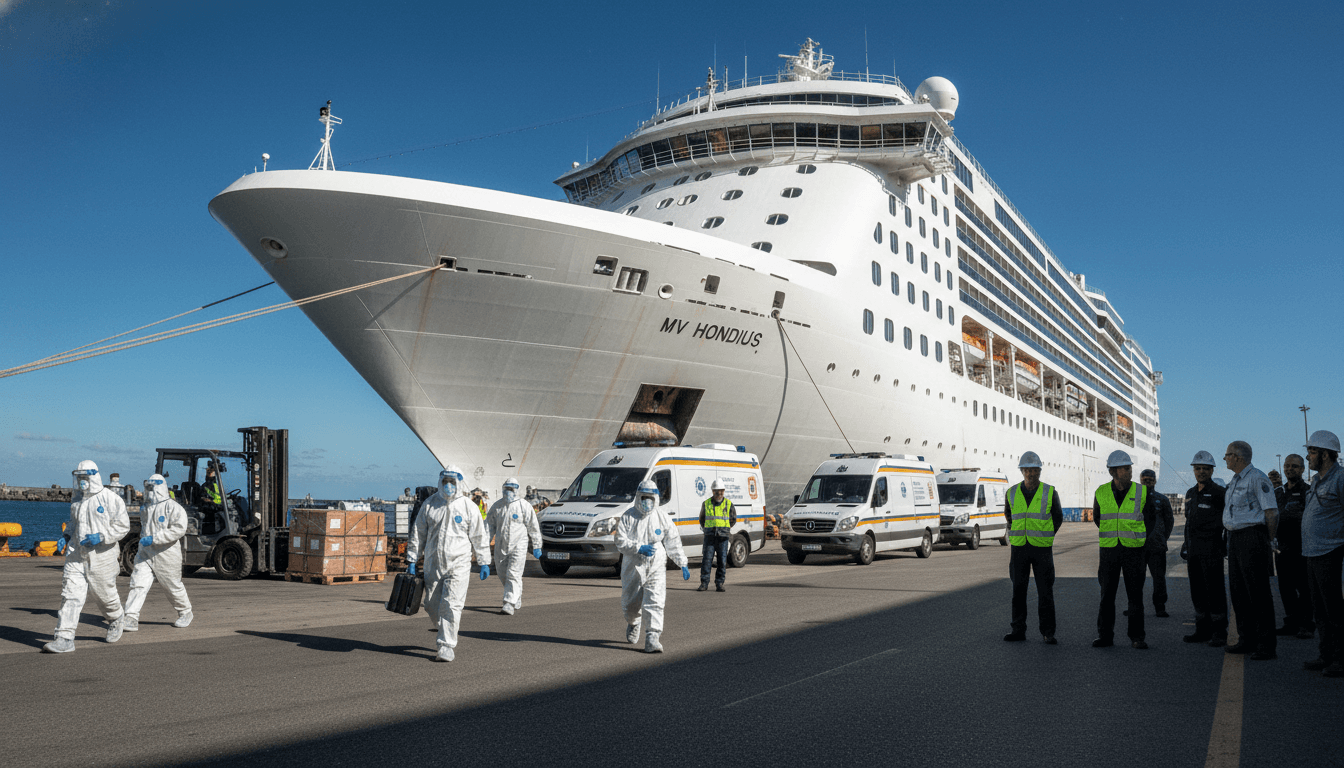
A suspected Cruise Ship Hantavirus Outbreak has sent shockwaves through the global health community and the travel industry, as three individuals have died following infections on the MV Hondius, a Dutch-flagged polar expedition vessel. The alarming development, confirmed by the World Health Organization (WHO), has triggered an international investigation into how a rodent-borne virus typically contracted on land could emerge with such deadly consequences aboard a passenger ship.
The MV Hondius, operated by Oceanwide Expeditions, was midway through a lengthy voyage from Ushuaia, Argentina, to Cape Verde when the outbreak surfaced. The itinerary, which included remote stops in Antarctica, the Falkland Islands, South Georgia, and Saint Helena, now forms a critical part of the epidemiological puzzle. As of Monday, May 4, 2026, the ship is docked in Praia, Cape Verde, becoming a focal point for health authorities scrambling to understand and contain the spread of this rare but lethal pathogen.
The Unfolding Tragedy and Global Response
The human cost of this Cruise Ship Hantavirus Outbreak is stark. The first victim, a 70-year-old passenger, succumbed to the illness onboard, with his body held on Saint Helena. Tragically, his 69-year-old wife also fell ill and later died in a Johannesburg hospital after being medically evacuated to South Africa. A third fatality is a 69-year-old British national, also evacuated to Johannesburg, who was initially in intensive care. One case has been laboratory-confirmed as hantavirus, with five additional passengers suspected of infection. One of these remains in intensive care in South Africa, highlighting the severity of the situation.
The WHO has swiftly stepped in, coordinating with health authorities across multiple countries to manage the crisis. Their efforts include extensive laboratory testing, detailed epidemiological investigations, and genetic sequencing of the virus to ascertain its precise strain and potential transmission dynamics. Medical support and care are being provided to all affected passengers and crew, with ongoing efforts to evacuate other symptomatic individuals. The unusual nature of this incident – hantavirus typically being associated with terrestrial rodent exposure – has intensified the global health community’s focus.
Understanding Hantavirus: A Rare Maritime Threat
Hantaviruses are a family of viruses naturally carried by rodents worldwide. Humans typically contract the virus by inhaling aerosolized particles from infected rodent urine, droppings, or saliva. What makes this cruise ship incident particularly concerning is the documented, albeit rare, potential for person-to-person transmission for certain hantavirus strains, such as the Andes virus. This possibility, though not yet confirmed for the current outbreak, adds a layer of complexity to containment efforts.
Infections can lead to severe illnesses like Hantavirus Pulmonary Syndrome (HPS) or Hemorrhagic Fever with Renal Syndrome (HFRS). HPS, the more common form in the Americas, is a severe respiratory illness that can rapidly progress, causing life-threatening lung and heart problems. Its fatality rate can range from 30% to 50%. Symptoms, often flu-like initially, can appear 1 to 8 weeks post-exposure, evolving into severe respiratory distress. The long incubation period presents a challenge for tracing contacts and containing potential spread.
“The emergence of hantavirus on a cruise ship is highly unusual and demands a thorough investigation into potential exposure pathways, whether through rodent infestation on the vessel or during shore excursions in high-risk areas. This incident underscores the importance of stringent health protocols in global travel.”
Economic Ripples and Future Implications
While the immediate focus remains on public health, the economic repercussions of the Cruise Ship Hantavirus Outbreak are beginning to surface. Infectious disease outbreaks on cruise ships inevitably lead to negative publicity, a decline in bookings, and heightened scrutiny of the industry’s health and safety standards. Cruise operators, including Oceanwide Expeditions, may face enhanced cleaning and sanitation mandates, alongside potential disruptions to future itineraries.
The long-term market impact will hinge on the swift containment of this outbreak and the public’s perception of cruise ship safety moving forward. The cruise industry, still recovering from previous global health crises, faces another significant challenge to restore consumer confidence. Investors and consumers alike will be closely watching how this situation evolves and the measures taken to prevent future occurrences. For more insights into how global events impact industries, visit more trending stories.
Prevention, Treatment, and What Comes Next
Currently, there are no licensed treatments or vaccines specifically for hantavirus. Treatment is largely supportive, particularly for HPS, often requiring respiratory support and intensive care. Early diagnosis and prompt medical attention are crucial for improving survival rates. Prevention primarily involves avoiding contact with rodents and safely managing rodent habitats, which includes ventilating areas, using disinfectants, and wearing protective gear such as N-95 masks during cleanup.
The global health investigation will now focus on pinpointing the exact source of the infection, whether it was onboard the MV Hondius or contracted during a shore excursion in regions where hantavirus is endemic. The sequencing of the virus will be critical in understanding its origin and potential for person-to-person transmission. The cruise industry, health organizations, and governments worldwide are now on high alert, with this incident serving as a stark reminder of the persistent and evolving challenges posed by infectious diseases in an interconnected world. The coming weeks will reveal the full scope of this unprecedented outbreak and its lasting implications for global travel and public health.