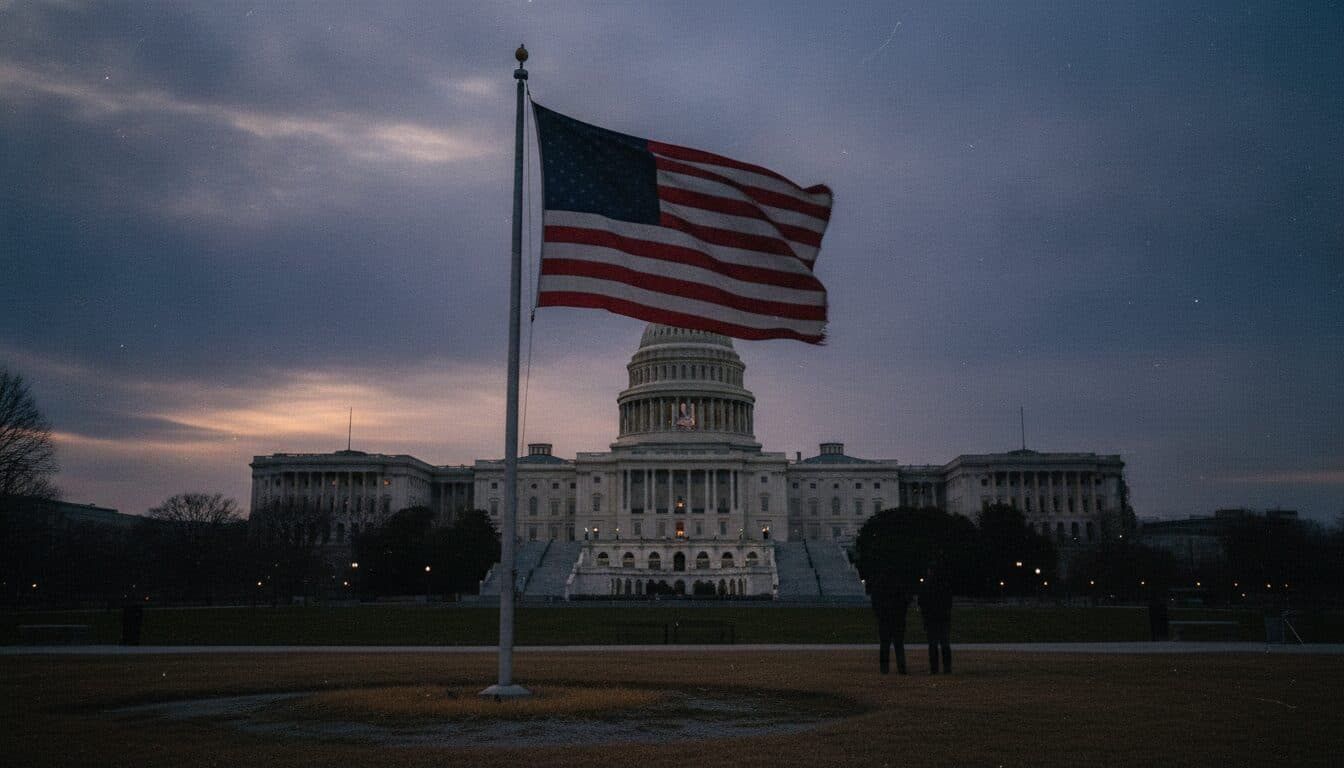
A looming congress faces shutdown over funding, threatening to plunge the United States into deeper economic uncertainty as missed paychecks and airport chaos escalate. As of Thursday, March 26, 2026, the nation grapples with a protracted funding lapse, primarily impacting the Department of Homeland Security (DHS), which commenced an alarming 39 days ago on February 14, 2026. The repercussions are now reaching a critical juncture, with federal employees facing severe financial hardship and the nation’s travel infrastructure teetering on the brink of collapse.
The immediate and most palpable impact is on the hundreds of thousands of federal workers, including the vital Transportation Security Administration (TSA) officers, who are toiling without compensation or have been furloughed. While a 2019 law promises back pay upon resolution, the interim period is marked by desperate measures, from delayed mortgage payments to plasma donations, simply to make ends meet. Active-duty military personnel, too, are compelled to work without pay, a stark reminder of the widespread personal toll.
The Growing Crisis at the Airports
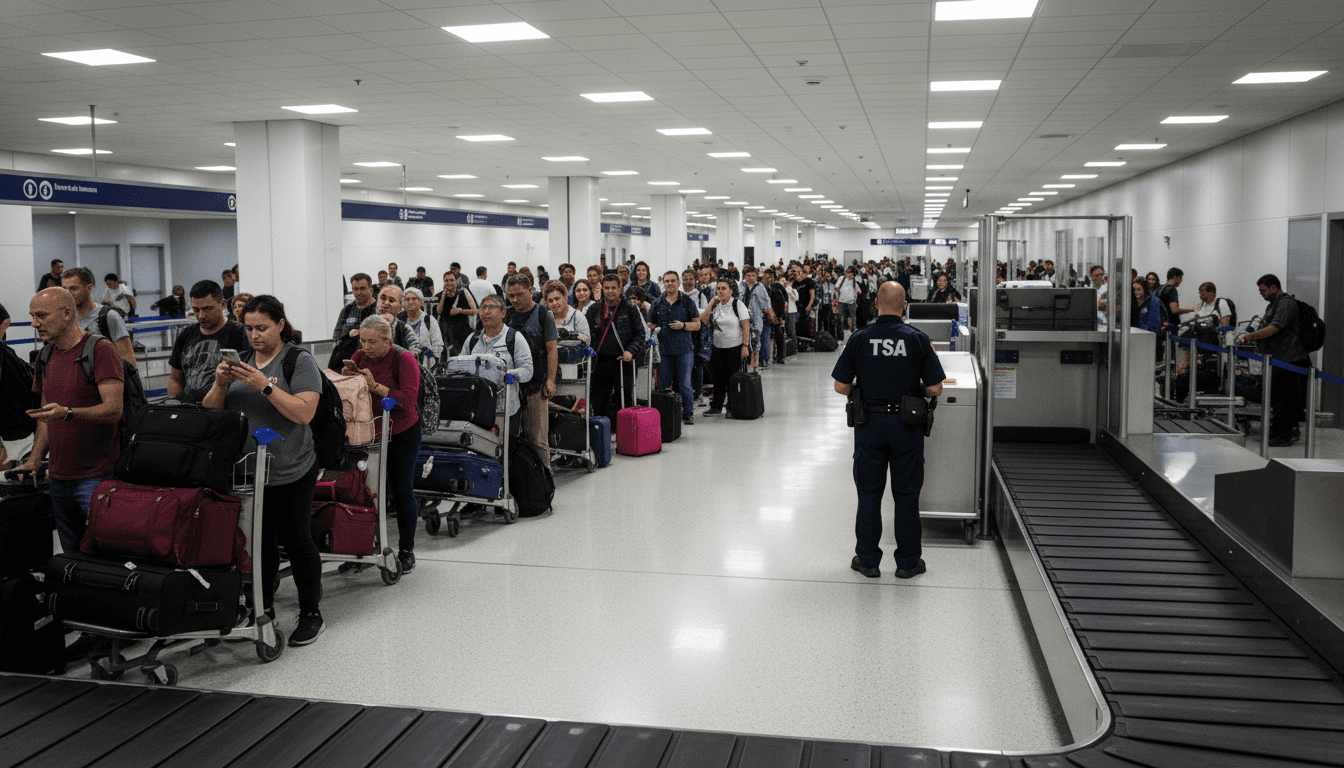
Perhaps the most visible and disruptive consequence of the funding impasse is the rapidly deteriorating situation at airports nationwide. Staffing shortages have reached alarming levels, with some airports reporting over 40% callout rates for TSA workers. This critical manpower deficit has already led to nearly 500 of the approximately 50,000 TSA officers resigning during this shutdown alone. Acting TSA Administrator Ha Nguyen McNeill testified on March 25, 2026, painting a grim picture and issuing a stark warning: continued increases in callout rates could force airport closures. Early March saw Houston and New Orleans airports grappling with hours-long wait times, a preview of potential nationwide gridlock.
Beyond the immediate inconvenience, the economic cost of a government shutdown is substantial and far-reaching. The Congressional Budget Office (CBO) previously estimated that the 2018–2019 shutdown siphoned $11 billion from the GDP, with $3 billion permanently lost. Current economic models suggest that each week of a shutdown can shave 0.1% to 0.2% off annualized GDP growth. A four-week shutdown, according to CBO projections, could reduce fourth-quarter GDP growth by 1%, resulting in a permanent loss of between $7 billion and $14 billion (in 2025 dollars). This lost output is largely attributable to the reduced productivity of furloughed federal employees.
The disruption extends far beyond financial metrics and airport queues. A prolonged shutdown can shutter national parks and museums, delay critical processing of new applications for social security or housing loans, and even imperil food assistance programs like SNAP. Scientific research and data collection, vital for national progress, are also severely hampered as federal researchers are sent home and new grant opportunities suspended. Furthermore, the ripple effect extends to federal contractors, many of whom are forced to furlough or lay off their own employees, amplifying the economic pain.
Understanding the Stalemate: Congress Faces Shutdown Over Funding
Government shutdowns are, at their core, manifestations of deep-seated partisan disagreements over funding levels or contentious amendments to appropriations bills. The current stalemate, which has left congress faces shutdown over funding, is no exception. It primarily revolves around President Donald Trump’s immigration enforcement operations. Republicans have put forward a proposal to fund the TSA and much of DHS, notably excluding Immigration and Customs Enforcement’s (ICE) enforcement and removal operations. However, this proposal is widely expected to fail in the Senate, with Democrats arguing it falls short of adequately reining in immigration enforcement.
“Shutdowns rarely achieve the goals of their instigators and often backfire politically,”
noted Romina Boccia, director of budget and entitlement policy at the Cato Institute, in October 2025. She also highlighted that only approximately 27% of the federal government is directly impacted by a shutdown, owing to mandatory spending. President Trump has escalated the rhetoric, threatening drastic measures, including deploying the National Guard to airports and sending ICE agents to conduct ID checks.
This is not an unfamiliar landscape for the U.S. government. The longest government shutdown in U.S. history spanned 43 days, from October 1, 2025, to November 12, 2025, during President Trump’s second presidency. Prior to that, a 35-day shutdown occurred from December 22, 2018, to January 25, 2019, triggered by disputes over funding for a U.S.-Mexico border wall. These historical precedents underscore the recurring nature of these crises and the entrenched divisions that fuel them.
What’s Next for the Nation
The immediate future remains uncertain as pressure intensifies on both sides of the aisle to resolve the impasse. The economic and social costs are mounting daily, with each passing hour bringing more financial distress to federal employees and further disruption to national services. The threat of airport closures looms large, potentially crippling air travel and commerce. The political will to compromise will be severely tested in the coming days, with the livelihoods of thousands and the functionality of key government operations hanging in the balance.
The nation watches anxiously as congress faces shutdown over funding, hoping for a swift resolution that can avert further economic damage and restore stability to essential public services. The path forward demands a willingness to negotiate and prioritize the welfare of the American public over partisan brinkmanship, especially as the current shutdown already surpasses many historical precedents in its duration and impact on daily life.