A devastating China fireworks factory explosion has claimed at least 26 lives and injured dozens more, thrusting industrial safety in the world’s largest fireworks producer back into the global spotlight. The catastrophic blast, occurring on Monday, May 4, 2026, at the Huasheng Fireworks Manufacturing and Display Company in Liuyang, Hunan province, serves as a stark reminder of the inherent dangers within this culturally significant yet highly volatile industry.
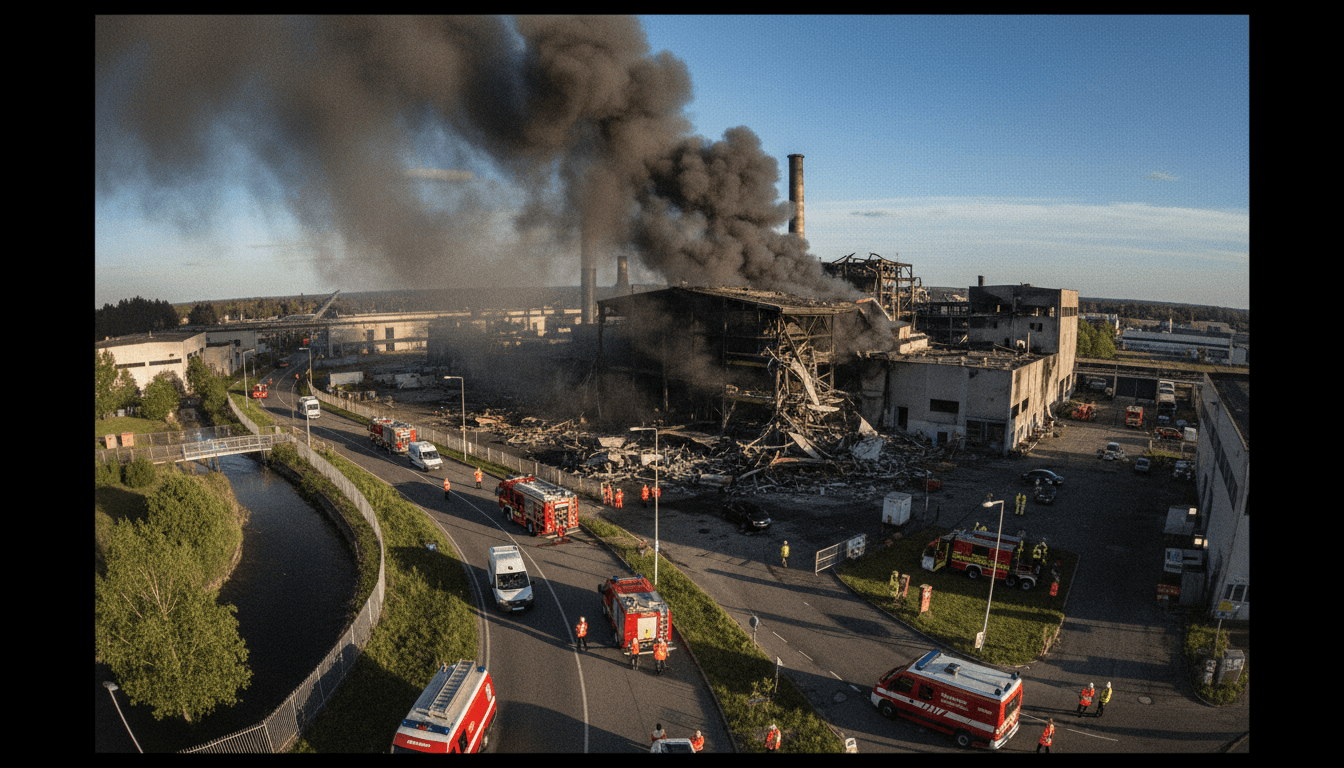
The incident unfolded around 4:40 PM local time in Liuyang, a city renowned as a major hub for fireworks production. The sheer force of the explosion flattened buildings within the factory complex, sending massive plumes of smoke billowing into the sky and triggering an immediate, large-scale emergency response. Over 1,500 personnel, including firefighters, medical workers, police, and advanced robotic units, were rapidly deployed for search and rescue operations, working through the night to locate survivors and recover victims from the rubble. The 61 injured individuals, some as old as 68, were swiftly transported to Liuyang People’s Hospital for treatment.
The Immediate Aftermath and Response
The scene at the Huasheng facility was one of utter devastation. Beyond the collapsed structures, two black powder storage warehouses within the compound posed high-risk hazards, prompting authorities to establish a 1km rescue area and a 3km control zone. Residents in surrounding danger zones were evacuated as a precautionary measure. In a swift move indicative of the severity of the incident, the person in charge of the Huasheng Fireworks Manufacturing and Display Company has been detained, with an investigation into the precise cause of the accident already underway.
The global impact of this tragedy extends beyond the immediate casualties. China dominates the world’s fireworks market, exporting over one billion dollars worth annually and accounting for more than two-thirds of global sales. This industrial might, however, is frequently shadowed by significant safety concerns. The Liuyang explosion, therefore, not only highlights the human cost but also raises questions about supply chain stability and regulatory enforcement in an industry critical to both Chinese economy and global celebrations.
“This incident underscores the persistent challenge of balancing economic output with robust safety protocols in high-risk industries, even as China strives for stricter oversight.”
China Fireworks Factory Explosion and Safety Record
This latest disaster is not an isolated event but rather a grim addition to a recurring pattern of industrial accidents in China. Just months prior, in February 2026, separate explosions at fireworks shops in Hubei and Jiangsu provinces resulted in multiple fatalities during the Lunar New Year period. In June 2025, another fireworks factory explosion in Hunan province claimed nine lives. A comprehensive 2023 study examining over 100 fireworks production accidents in China pointed to inadequate safety education and training, the physical and mental state of workers, and lax workplace management as primary contributing factors to such incidents.
Recognizing these systemic issues, the Chinese government has been actively attempting to implement stricter regulations. New, more stringent national regulations on fireworks and firecrackers came into effect on May 1, 2026 – just days before the Liuyang blast. These regulations consolidate seven previous standards, introducing tighter limits on safety, noise, and the chemical and explosive content of fireworks. Furthermore, a year-long nationwide campaign to crack down on illegal fireworks also commenced in May 2026. Despite these concerted efforts, the Liuyang tragedy painfully illustrates the ongoing challenges in enforcing safety standards, particularly at the local level, and the inherent, ever-present risks of the industry.
What’s Next for Industrial Safety and the Industry
The response from the highest levels of Chinese leadership has been unequivocal. President Xi Jinping has called for a speedy and thorough investigation, emphasizing strict accountability and urging authorities to strengthen risk screening and hazard control in key industries. In immediate reaction, the municipal government in Liuyang has ordered an immediate suspension of all fireworks production across the city pending comprehensive safety inspections. Local officials have publicly apologized, expressing deep regret to the victims and their families.
Looking ahead, the focus will intensify on the investigation’s findings and the concrete measures taken to prevent future occurrences. The efficacy of the newly implemented regulations will be under intense scrutiny, and there is likely to be increased pressure on local authorities to ensure rigorous enforcement. For the global market, this disaster could lead to temporary disruptions in supply, potentially impacting prices and availability of fireworks worldwide, particularly as major celebratory seasons approach. The push for safer, more automated production methods might also accelerate.
The China fireworks factory explosion serves as a somber reminder of the human cost of industrial negligence and the complex interplay between economic imperative, cultural tradition, and safety regulation. As investigations continue and the industry grapples with the aftermath, the world watches to see if this tragedy will finally catalyze a permanent shift towards uncompromising safety standards in one of China’s most iconic and dangerous industries.