The Belarus-North Korea alliance deepens this week, marking a significant geopolitical shift as Belarusian President Alexander Lukashenko concluded his historic first official visit to Pyongyang, signing a comprehensive “friendship and cooperation” treaty with North Korean leader Kim Jong Un. This unprecedented convergence, underscored by a symbolic gift of a VSK assault rifle from Lukashenko to Kim, signals a strengthening alignment between two nations increasingly isolated by Western sanctions and united by an anti-Western stance amidst escalating global tensions.
A New Chapter in Bilateral Relations
The March 26, 2026, summit was hailed by both leaders as ushering in a “new stage” for their bilateral relations. The signed treaty lays the groundwork for enhanced cooperation across a broad spectrum of areas, from high-level diplomatic exchanges to practical initiatives in agriculture, education, and healthcare. This move is particularly noteworthy given that no Belarusian head of state had ever visited North Korea before, underscoring the strategic importance both nations now place on this burgeoning partnership.
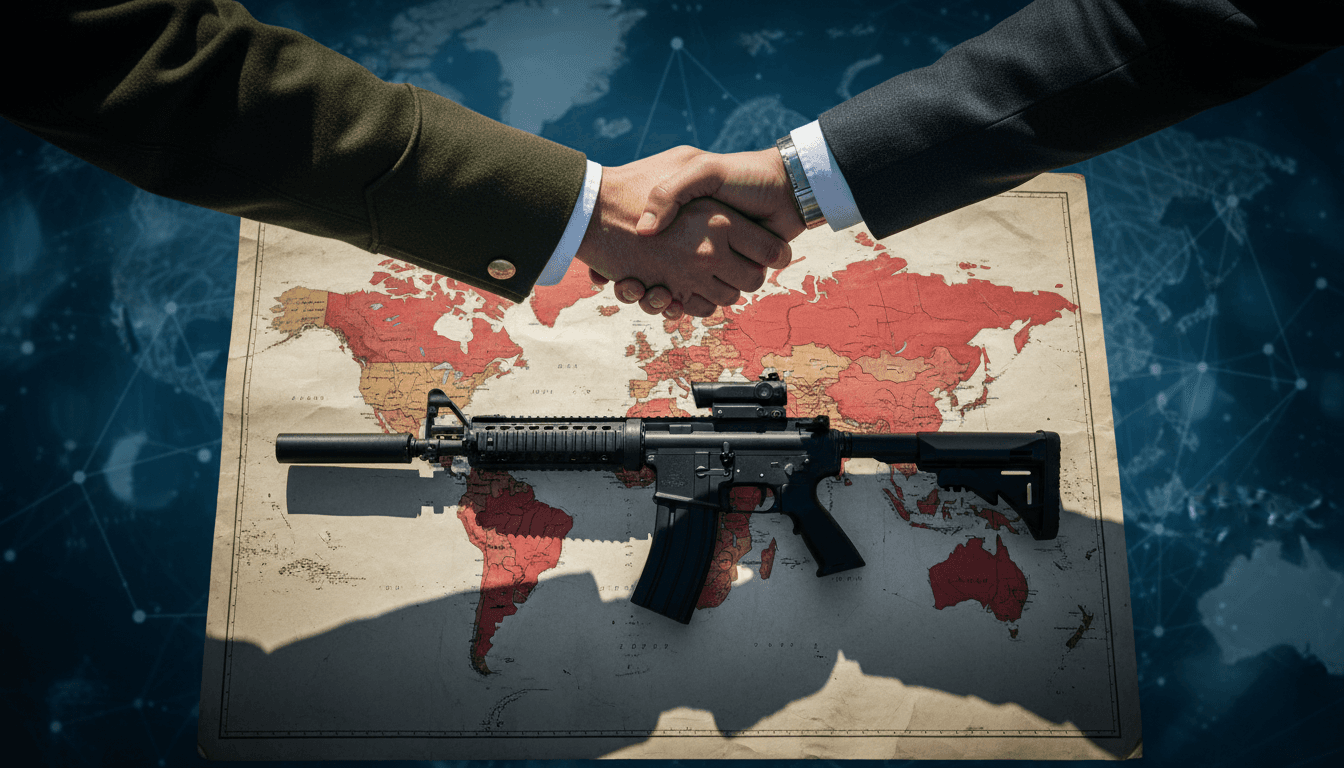
A moment that captured global attention was the exchange of gifts. President Lukashenko presented Kim Jong Un with a VSK assault rifle, reportedly joking that it could be useful “in case enemies appear.” Kim Jong Un, visibly amused, demonstrated a familiar handling of the weapon, accepting it along with other Belarusian specialties including a Slutsk belt, chocolates, and vodka. In return, Lukashenko received a cavalry sword, a special commemorative gold coin, and a floral vase adorned with his portrait. Gifts were also extended to Kim Jong Un’s daughter, Kim Ju-ae, and First Lady Ri Sol-ju, further cementing the personal ties being forged.
Shared Isolation and Anti-Western Stance
The impetus behind the deepening Belarus-North Korea alliance is rooted in their shared geopolitical isolation and a mutual opposition to what they perceive as “unlawful pressure from the West.” Both nations are currently under extensive Western sanctions and have firmly aligned themselves with Russia, particularly in the context of its ongoing conflict in Ukraine. Belarus has served as a critical launchpad for Russia’s invasion, while North Korea stands accused of supplying Russia with vital ammunition and manpower, illustrating a growing solidarity among this emergent anti-Western bloc.
“This deepening alliance is a clear signal that isolated nations are actively seeking new partners to challenge Western hegemony and forge alternative economic and political pathways.”
Beyond the overarching friendship treaty, approximately ten additional agreements are anticipated, spanning critical sectors such as agriculture, education, health, industry, and information technology. Belarusian Foreign Minister Maksim Ryzhenkov emphasized the goal of establishing “truly friendly, partnership relations” and exploring mutually beneficial opportunities across all sectors, highlighting the comprehensive nature of this new alignment.
The Global Impact of a Strengthening Anti-Western Bloc
While historical trade volumes between Belarus and North Korea have been modest, the current strengthening of the Belarus-North Korea alliance carries significant geopolitical weight. Analysts view this as a strategic move to bolster solidarity among nations challenging the existing Western-led international order. The immediate market impact in terms of global trade is likely to be limited, given both nations’ heavily sanctioned status. However, the potential for this “trilateral alliance” – encompassing Russia, North Korea, and now increasingly Belarus – to solidify into an alternative economic and political bloc is a development that warrants close observation.
This consolidation could lead to increased internal trade and resource sharing among these nations, further isolating them from Western markets but simultaneously creating a self-sustaining ecosystem. The possibility of direct military cooperation between North Korea and Belarus, mirroring North Korea’s strategic partnership with Russia signed in 2024, is also a growing concern. That agreement obliges Russia and North Korea to provide military assistance if either is attacked, setting a precedent that could extend to Belarus.
What’s Next: A Watchful Eye on Eastern Europe and Asia
The implications of the strengthening Belarus-North Korea alliance extend far beyond their immediate borders. This partnership signals a growing defiance of Western sanctions and a determined effort to forge new alliances in a multipolar world. The next steps will likely involve the implementation of the signed agreements, with observers keenly watching for any tangible shifts in trade, technology transfer, or, critically, military cooperation. The continued consolidation of this anti-Western axis could reshape regional power dynamics and necessitate a recalibration of international diplomatic and economic strategies by Western nations.