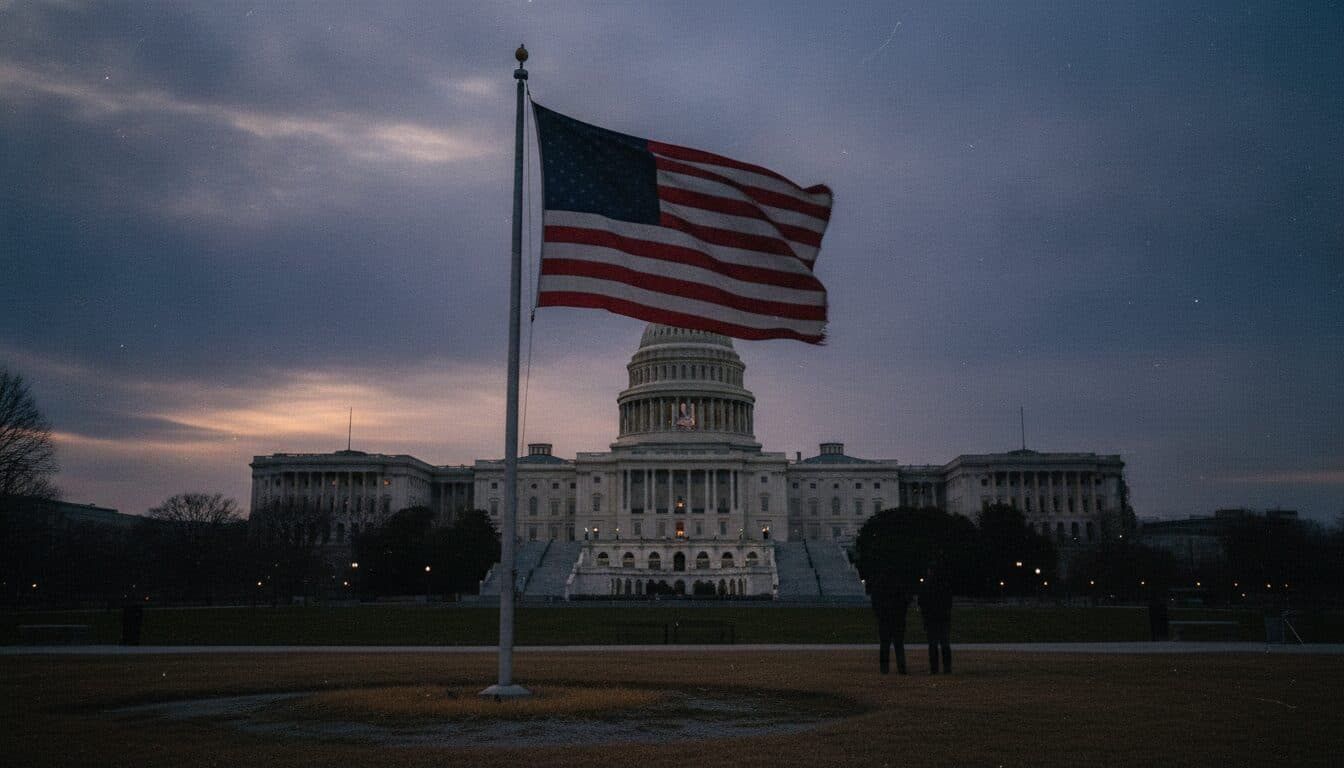
The babies birthright citizenship debate, a contentious legal and moral battle, is currently the top trending news story globally, drawing intense scrutiny for its profound implications on human rights, national identity, and the very fabric of American society. This isn’t just a domestic policy squabble; its outcome could set a precedent for how nations define citizenship and treat their most vulnerable populations.
As of Tuesday, March 31, 2026, the Supreme Court is hearing pivotal arguments in Trump v. Barbara, a case that will determine the constitutionality of a January 20, 2025, executive order. This order, issued by former President Donald Trump, aimed to deny birthright citizenship to children born in the U.S. whose mothers are unlawfully present or have temporary legal status, and whose fathers are not U.S. citizens or lawful permanent residents. This move challenges over a century of legal precedent and a fundamental interpretation of the 14th Amendment, prompting widespread concern among human rights advocates, legal scholars, and economists.
The 14th Amendment, ratified in 1868, explicitly states, “All persons born or naturalized in the United States, and subject to the jurisdiction thereof, are citizens of the United States and of the State wherein they reside.” This foundational principle was a direct response to the Dred Scott v. Sandford decision, intended to secure citizenship for formerly enslaved people. The Supreme Court’s 1898 decision in United States v. Wong Kim Ark further solidified this, affirming birthright citizenship for nearly all individuals born on U.S. soil, with traditional exceptions only for children of foreign diplomats and invading armies.
The Unseen Impact on Newborns and Their Development
Advocates for children are increasingly vocal, highlighting that the broader babies birthright citizenship debate often overlooks the fundamental impact on infants themselves. They argue that altering this long-standing principle would create a vulnerable underclass within American society, with profound and detrimental impacts on newborns and their long-term development.
“Birthright citizenship — this is about babies.”
Bruce Lesley, president of First Focus on Children, powerfully articulates this concern, emphasizing that the focus should be on the youngest and most defenseless. Approximately 3.6 million babies are born in the U.S. each year, and in 2023, an estimated 300,000 babies were born to parents without legal status. These numbers underscore the sheer scale of potential human impact.
Health, Economic, and Psychological Repercussions
Denying birthright citizenship could condemn hundreds of thousands of children to lives without the protections and opportunities citizenship provides. This could lead to lifelong discrimination and negatively impact their short- and long-term growth and development. Arturo Vargas Bustamante, director of faculty research at the UCLA Latino Policy and Politics Institute, points out that the fear surrounding immigration policies can deter pregnant women from seeking crucial prenatal care. This often results in higher risks of low birth weight and lifelong consequences for children, creating a cycle of disadvantage from the very beginning of life.
Birthright citizenship currently ensures immediate access to essential support and services like Medicaid, SNAP (food benefits), and WIC for newborns. Without it, parents would face complex bureaucratic hurdles to prove their child’s citizenship, potentially delaying or denying access to these critical programs during the most vulnerable period of a child’s life. Families with undocumented parents already grapple with economic disadvantages; studies show that immigration enforcement actions can lead to significant income loss, increasing poverty rates among U.S.-citizen children with undocumented parents. Denying birthright citizenship would exacerbate this, pushing more families below the poverty line.
The psychological trauma on children cannot be overstated. Children in families affected by immigration enforcement often experience adverse behavioral changes, including increased fear, anxiety, and aggression. The constant threat of a parent’s deportation and the uncertainty of their own status can have severe, lasting psychological repercussions. The Migration Policy Institute (MPI) and Pennsylvania State University project that ending birthright citizenship could increase the unauthorized population by an additional 2.7 million by 2045 and 5.4 million by 2075, creating a “self-perpetuating, multigenerational underclass.” This outcome would be unprecedented in U.S. immigration law and fundamentally contrary to the American ideal of fairness and opportunity.
Legal Battle and Global Implications for Babies Birthright Citizenship
The Trump administration’s argument hinges on interpreting the phrase “subject to the jurisdiction thereof” in the 14th Amendment as meaning owing “direct and immediate allegiance” and receiving “protection” from the U.S., thereby excluding children of undocumented immigrants. However, challengers, including the ACLU, counter that the drafters of the 14th Amendment intended to affirm the common-law tradition of birthright citizenship, which included nearly all children born within the sovereign’s territory, regardless of their parents’ nationality or temporary presence. They emphasize that the amendment focuses on the child’s birth and subjection to U.S. jurisdiction, not the parents’ immigration status.
While the direct market impact is complex, the creation of a large, marginalized population without full access to education, healthcare, and economic opportunities could have long-term societal and economic consequences. It could hinder social mobility, create a less integrated workforce, and strain social services, ultimately impacting national productivity and innovation. The global community watches closely, as the U.S. decision could influence immigration policies and human rights standards worldwide. For more trending stories, visit our news section.
What’s Next: A Defining Moment
The Supreme Court’s ruling in Trump v. Barbara will be a defining moment for the United States, shaping not only its legal landscape but also its moral standing. The decision will determine whether the nation continues to uphold a principle established over a century and a half ago, or whether it embarks on a path that could lead to the creation of a deeply vulnerable underclass of children. The implications for millions of current and future newborns, their families, and the broader American economy are immense.
Readers should watch for the Supreme Court’s decision, which is expected to have far-reaching effects on immigration policy, human rights, and the very definition of citizenship. The outcome of this debate will resonate for generations, determining the fate of countless children and the future trajectory of American society.