Major Australian police kill suspect after officers murdered, escalating concerns about public safety and the dangers faced by law enforcement. Seven months after allegedly ambushing and killing two police officers and seriously wounding a third in a remote Victorian forest, suspect Dezi Freeman, 56, was fatally shot by heavily armed Special Operations Group tactical police on Monday, March 30, 2026, following a three-hour standoff. This dramatic conclusion to a protracted manhunt has sent ripples across Australia, highlighting the persistent threats posed by individuals holding anti-government ideologies.
The initial incident on August 26, 2025, near Porepunkah, Victoria, saw Freeman allegedly open fire on officers serving a warrant at his home. Two officers, aged 59 and 35, tragically lost their lives, while a third required extensive surgery for serious wounds. Victoria’s Chief Commissioner of Police Mike Bush described Freeman as a “very dangerous person,” known to espouse “sovereign citizen” beliefs – a conspiracy theory movement whose adherents believe they are exempt from government laws. Compounding the challenge of his capture, police also noted his advanced wilderness survival skills, which allowed him to evade authorities for an extended period.
Following the initial murders, a massive search operation was launched across Victoria’s heavily forested alpine region, deploying helicopters and dog squads in a relentless pursuit. Authorities had even offered a substantial 1 million Australian dollar ($678,000) reward for information leading to his arrest. Despite these efforts, there had been no confirmed sightings of Freeman for seven months, leading some to speculate he may have taken his own life. The warrant served prior to the initial shooting was reportedly related to sexual offenses, adding another layer of complexity to the suspect’s profile.
The Australian Police Kill Suspect Standoff
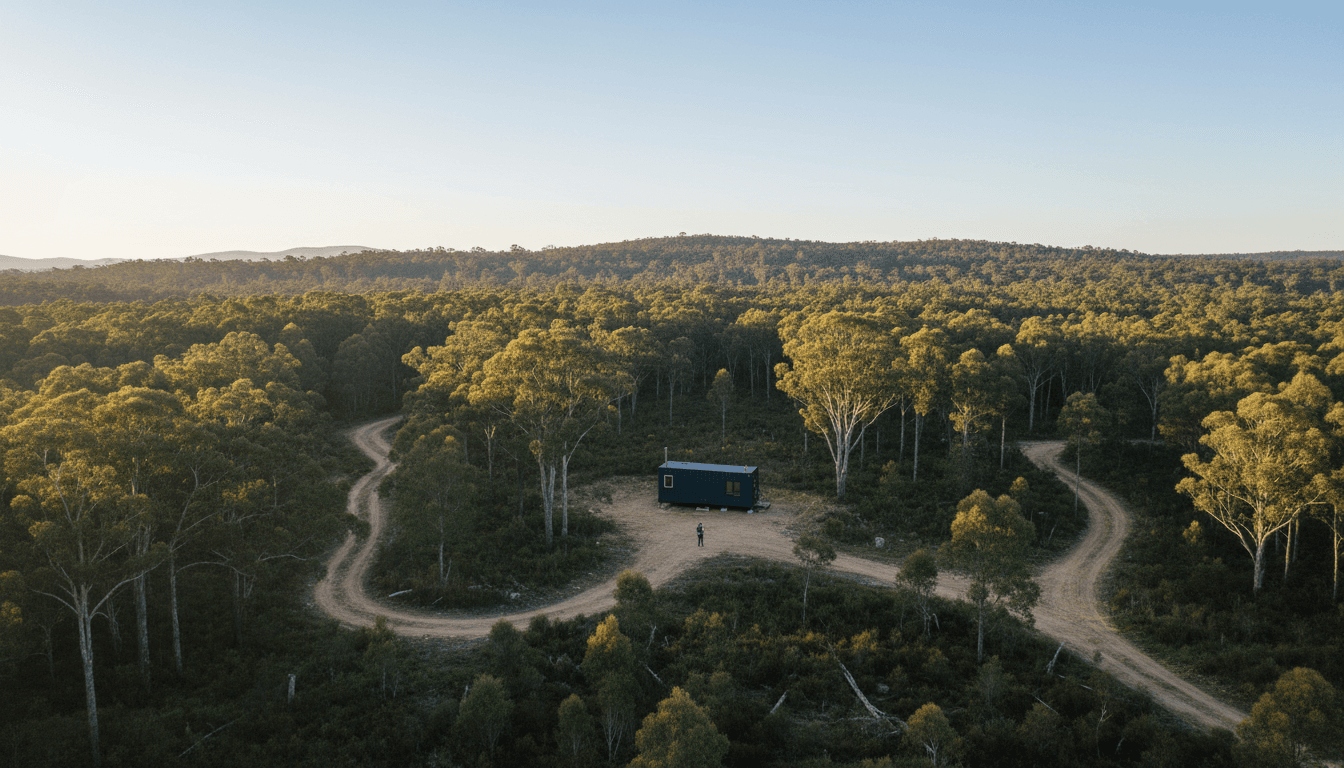
The seven-month search culminated on March 30, 2026, when police located a man believed to be Freeman at a remote site near Thologolong, Victoria. He was found inside a shelter described as being similar to a shipping container. A tense, three-hour standoff ensued, during which the suspect refused an offer to surrender. Ultimately, he was fatally shot by police. While Commissioner Bush stated police “strongly believed” the suspect was armed, he could not confirm if Freeman fired at officers during the confrontation. Formal identification of the deceased was expected to take up to 48 hours.
“This incident underscores the ongoing challenges faced by Australian authorities in dealing with individuals who hold anti-government ideologies and are willing to use violence against law enforcement.”
Globally, this event resonates as a stark reminder of the escalating threats against law enforcement personnel. While geographically isolated, Australia’s experience with anti-government extremists mirrors similar challenges faced by nations worldwide. The targeting of police officers, particularly by individuals espousing sovereign citizen or other extremist beliefs, represents a significant breach of social order and poses a direct threat to the rule of law. The financial and human resources dedicated to the manhunt for Freeman, including the substantial reward, illustrate the profound impact such incidents have on public coffers and community trust. Industries reliant on public safety and stability, from tourism to investment, watch such developments closely, as they can subtly erode confidence and deter engagement.
This incident is not an isolated one in Australia. In December 2022, a devastating ambush in Wieambilla, Queensland, saw two police constables, Matthew Arnold, 26, and Rachel McCrow, 29, along with civilian Alan Dare, 58, murdered by three Christian extremists. All three perpetrators – brothers Gareth and Nathaniel Train, and Gareth’s wife, Stacey Train – were subsequently killed by police after a six-hour siege. That attack was later officially declared a “religiously motivated terrorist attack” by Australian police, highlighting a disturbing pattern of ideologically driven violence against authorities. The recent fatal shooting of Dezi Freeman reinforces these concerns, emphasizing the persistent danger to those who uphold the law and the need for robust strategies to counter extremist threats. For more trending stories, visit our news section.
Looking ahead, the formal identification of the suspect will be a critical next step, bringing a definitive close to the seven-month manhunt. Beyond that, public discourse will likely intensify around police training, intelligence gathering on extremist groups, and community engagement strategies to de-radicalize individuals susceptible to anti-government narratives. The incident will undoubtedly prompt further reviews of officer safety protocols and the resources allocated to tactical response units in remote areas. The broader implications for public safety and the ongoing battle against extremism will remain a key focus for both law enforcement and policymakers.
The tragic loss of life and the prolonged manhunt for Dezi Freeman serve as a somber reminder of the profound risks inherent in law enforcement and the complex challenges posed by extremist ideologies. As Australia grapples with the aftermath, the incident underscores the vital importance of vigilance, robust security measures, and a united community front against those who seek to undermine the rule of law. The world watches, recognizing the universal nature of these threats and the shared imperative to protect those who serve.