Major Australia war crimes charges have been laid against the nation’s most decorated living soldier, Ben Roberts-Smith, a development that is sending shockwaves through the military establishment and raising profound questions about accountability for actions in Afghanistan.
Roberts-Smith, a former Special Air Service Regiment (SASR) corporal awarded the Victoria Cross in 2011, now faces five counts of war crime murder. While police have not officially named him, media outlets widely report the 47-year-old as the individual arrested. These charges allege the victims were unarmed Afghan nationals under the control of Australian Defence Force (ADF) members when they died between 2009 and 2012. He is accused of either directly causing their deaths or aiding, abetting, counseling, or procuring another person to do so under his orders. If convicted, war crime murder carries a potential sentence of life imprisonment.
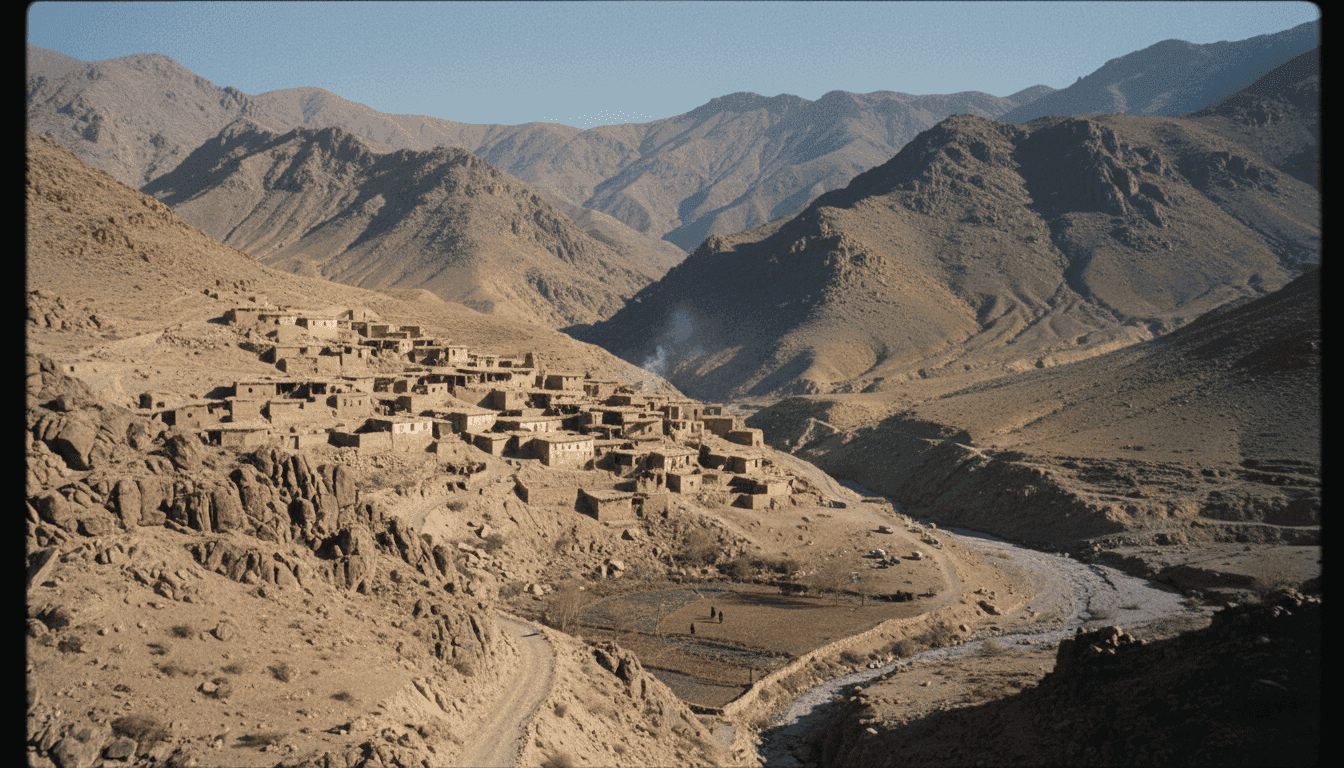
The specific allegations are stark. They relate to three separate incidents: the deaths of two Afghan males at Whiskey 108 in Kakarak in 2009, the death of Ali Jan in Darwan in 2012, and the deaths of two civilians at Syahchow in 2012. Details include claims of Roberts-Smith kicking a handcuffed man off a cliff before ordering his shooting, and involvement in the shooting of a wounded man with a prosthetic leg.
Australia War Crimes Charges Unfold
These criminal proceedings follow a highly publicized civil defamation lawsuit Roberts-Smith initiated against several newspapers in 2018, which had published allegations of war crimes. In 2023, a federal judge dismissed his case, finding the newspapers had largely proven their claims that he was involved in the murder of four unarmed Afghans and had violated military engagement rules. While this civil finding was based on a ‘balance of probabilities’ – a lower legal standard than the ‘beyond reasonable doubt’ required for a criminal conviction – Roberts-Smith’s subsequent appeals to the Federal Court and High Court were dismissed and refused, underscoring the gravity of the allegations.
“This is a critical step toward global justice and accountability efforts, reinforcing the principle that no one is above the law, regardless of their decorated status.”
The charges are an outgrowth of the 2020 “Brereton Report,” a military inquiry that uncovered credible evidence of elite Australian SAS and commando troops unlawfully killing 39 Afghan prisoners, farmers, and other non-combatants across 23 incidents from 2005 to 2016. In response, the Australian government established the Office of the Special Investigator (OSI) in 2021 to collaborate with the Australian Federal Police (AFP). The OSI has since launched 53 investigations into alleged war crimes, with 39 concluded without charges, and 10 still ongoing. Roberts-Smith is only the second Australian veteran of the Afghanistan campaign to face such charges; former SAS soldier Oliver Schulz was charged in March 2023 with the war crime of murder for allegedly shooting an Afghan man in 2012, to which he has pleaded not guilty.
The global implications of these Australia war crimes charges are significant. Organizations like Amnesty International Australia view Roberts-Smith’s arrest as a “critical step toward global justice and accountability efforts.” It signals a robust commitment to upholding international humanitarian law and holding armed forces accountable for their actions, regardless of rank or prior commendation. This case will undoubtedly be watched closely by international legal bodies and human rights organizations worldwide, potentially influencing how other nations address similar allegations within their own militaries.
Looking ahead, the legal battle for Roberts-Smith will be protracted and intensely scrutinized. The prosecution will face the challenge of proving guilt beyond a reasonable doubt, a high bar in any criminal case, especially one involving complex battlefield events. Beyond the individual case, there is ongoing pressure for Australia to fulfill its commitment to compensate the families of the 39 murdered victims identified in the Brereton Report. While regulations for compensation were adopted in July 2024, concerns persist regarding the scheme’s due process safeguards and a perceived lack of direct apology or consultation with victims. The outcome of this trial will not only determine the fate of a decorated soldier but also set a precedent for military justice and transparency, impacting Australia’s standing on the world stage and its commitment to human rights and the rule of law.