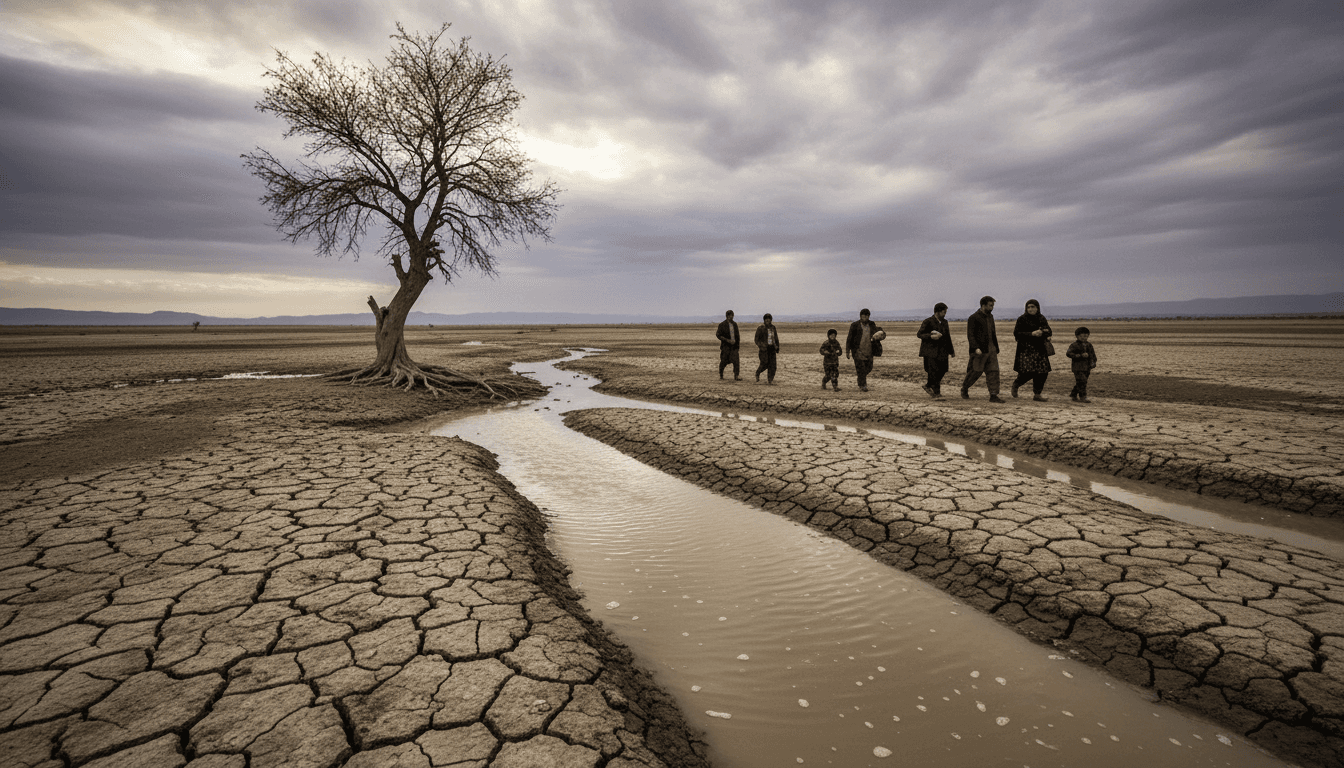
The Afghanistan humanitarian crisis is deepening, intensified by a relentless barrage of natural disasters that are compounding decades of conflict, poverty, and political instability. As of Sunday, April 5, 2026, the confluence of deadly earthquakes and widespread floods has pushed millions to the brink, demanding urgent international attention and assistance for a nation already struggling to survive.
Afghanistan, a country tragically synonymous with protracted hardship, finds itself in an escalating battle against the elements. The devastating series of Mww 6.3 earthquakes that rocked Herat Province in October 2023, particularly on the 7th, 11th, and 15th, left an indelible scar. The initial quakes near Herat city were catastrophic, with the World Health Organization estimating 1,482 fatalities and 2,100 injuries, directly affecting 43,400 people. A staggering 90% of casualties were women and children, trapped in their collapsing homes. The subsequent tremors added seven more deaths and 344 injuries. The destruction was immense, with over 275,000 people directly impacted across nine districts and 48,000 households destroyed or damaged. As winter loomed, thousands were left homeless, their lives shattered.
Adding to this seismic devastation, Afghanistan has been relentlessly battered by widespread and deadly floods throughout 2024 and into early 2026. Heavy rains and flash floods have affected nearly all 34 provinces. Between March and April 2024, over 1,000 people died across Afghanistan and Pakistan, with 99 deaths in Afghanistan in April alone, including 44 children. May 2024 saw flash floods in northeastern Afghanistan, particularly Baghlan province, reportedly killing at least 240 people, 51 of whom were children, and destroying an estimated 3,000 houses, farmland, and livestock. By May 30, over 184,000 hectares of land were flooded, impacting nearly 35,000 hectares of cropland. July 2024 brought further tragedy, with windstorms, severe rainfall, and flash floods in Eastern and Northeastern Afghanistan resulting in 40 fatalities and 251 injuries. Most recently, early 2026 witnessed widespread flooding, landslides, and lightning strikes killing 77 people and injuring 137 over a 10-day period, with 26 deaths in just 48 hours.
The Escalating Afghanistan Humanitarian Crisis
Experts universally agree that Afghanistan’s humanitarian crisis is among the most severe and persistent globally, fundamentally rooted in decades of conflict, chronic poverty, and repeated natural disasters. The Taliban’s resurgence in August 2021 further compounded the situation, triggering a severe economic downturn and a significant reduction in critical donor funding. Natural disasters, rather than conflict, have become the primary driver of displacement in Afghanistan since 2022. The country’s geographical vulnerability, exacerbated by environmental degradation and climate change, makes it acutely susceptible to hazards like floods, earthquakes, droughts, and landslides. Projections suggest that climate change will bring heavier spring rains and more intense monsoons, worsening the already critical flood problem.
“Natural disasters have replaced conflict as the primary driver of displacement in Afghanistan since 2022, underscoring a fundamental shift in the challenges facing the nation.”
The profound impact of these interlocking disasters is multifaceted. Food insecurity is rampant, with over a third of the population (14.2 million people) experiencing high levels of acute food insecurity as of May 2024. The World Food Programme reported that 12.4 million Afghans face acute food insecurity, meaning 1 in 4 are unsure of their next meal. Climate change severely impacts agriculture, the backbone of the Afghan economy, leading to reduced food production and rising market prices. Displacement and homelessness are rampant, with nearly 3 million people displaced between 2021 and 2024, and over 500,000 displaced by floods, drought, and other disasters in the last 12 months alone. Many earthquake-affected families were forced into makeshift tents, highly vulnerable to harsh weather and health risks.
Infrastructure damage is extensive, with homes, roads, bridges, electricity supplies, health facilities, and schools extensively damaged by both floods and earthquakes. This severely hinders aid delivery and worsens public health outcomes. The World Health Organization noted significant damage to over 30 health facilities due to floods, highlighting the urgent need for healthcare support. The lack of safe water due to damaged infrastructure also poses a heightened risk of waterborne disease outbreaks. Moreover, women and girls are disproportionately affected, facing severe restrictions on education and employment, which contributes to increased child marriage, adolescent childbearing, and mental health issues.
Market Impact and Aid Challenges
The natural disasters have had a significant and detrimental impact on local markets and livelihoods. The 2023 Herat earthquakes devastated rural areas, causing widespread job loss and severe economic hardship, particularly in the agriculture sector. While initial market assessments after the October 2023 earthquake indicated that most markets remained open and prices for food and non-food items did not immediately surge, concerns mounted regarding the availability of key items and an increasing reliance on imported goods, foreshadowing potential future price increases. Damage to agricultural land and livestock further indicated a looming rise in food prices and severely limited livelihood opportunities.
Similarly, the 2024 floods negatively impacted businesses, with many vendors reporting a decrease in suppliers and some areas experiencing higher prices. The destruction of vast agricultural land and the loss of livestock further exacerbate the economic strain on a country whose economy is heavily reliant on agriculture. Climate shocks are estimated to cause annual economic losses between USD 550 million in a normal precipitation year and USD 3 billion in a drought year, equivalent to 3.2% to over 18% of GDP, demonstrating the severe economic vulnerability of the nation to these environmental shifts.
Afghanistan’s capacity to respond to these compounding disasters is severely hampered by its ongoing humanitarian and economic crisis, coupled with diminishing international aid and attention. The Taliban regime’s restrictions, particularly on female aid workers, further complicate the already challenging delivery of humanitarian assistance to those in desperate need. Despite Afghanistan contributing minimally to global carbon emissions, it consistently ranks among the top ten countries most affected by climate change. The international community faces a critical moral imperative to refocus its attention and provide sustained assistance, including strengthening local institutions, building robust climate resilience strategies, and implementing sustainable water management practices to mitigate the ongoing Afghanistan humanitarian crisis.