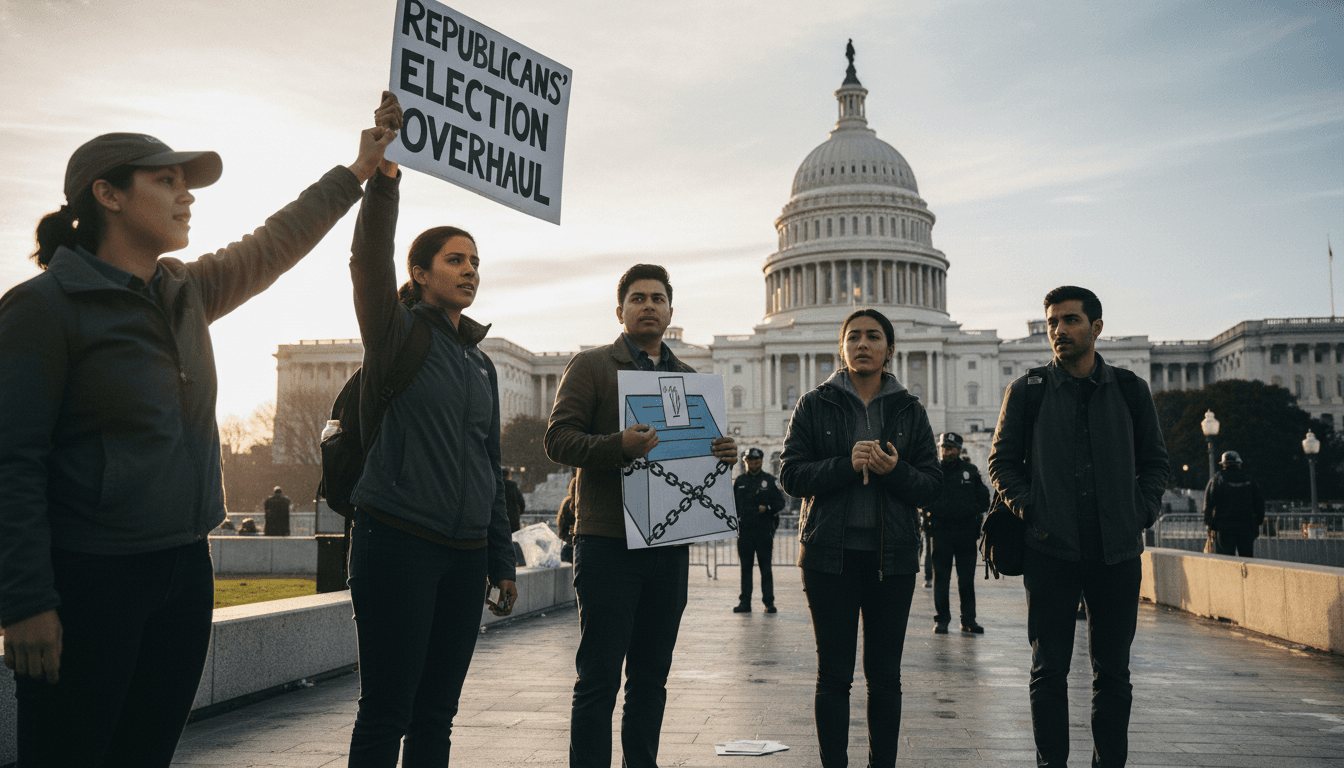
Republicans’ election overhaul fails in the Senate, marking a significant legislative defeat for the party on a key policy initiative. The sweeping proposal, aimed at reforming various aspects of the nation’s electoral processes, did not garner sufficient support, highlighting the deep partisan divisions that continue to characterize Washington politics. This outcome, announced on Friday, June 5, 2026, signals a continued stalemate on federal election reform, an issue that has become increasingly contentious in recent years.
Impact Analysis
The failure of this election overhaul legislation carries substantial implications for the broader political and policy landscape. For Republicans, it represents a setback in their efforts to enact changes they argue are necessary to ensure election integrity. The party has consistently advocated for stricter voting requirements and enhanced oversight, often citing concerns about potential fraud. This defeat means those priorities will likely remain unaddressed at the federal level for the foreseeable future, potentially pushing states to pursue their own varied reforms, further fragmenting election laws across the country.
Conversely, for Democrats and voting rights advocates, the bill’s failure is a victory. They have largely opposed such federal overhauls, viewing many proposed changes as voter suppression tactics that disproportionately affect minority groups and low-income voters. The inability of Republicans to pass this legislation preserves the existing framework, which many on the left see as crucial for maintaining broad access to the ballot box. The partisan chasm on election policy appears wider than ever, making any bipartisan compromise exceedingly difficult.
This legislative gridlock also underscores the challenges of governing with narrow majorities and heightened ideological polarization. Even with unified party control, passing significant, contentious legislation often requires navigating procedural hurdles and securing cross-party support, which proved impossible in this instance. Related politics & policy articles have frequently highlighted how such impasses contribute to legislative stagnation on critical national issues.
“The Senate’s inability to pass federal election reform underscores the profound ideological divide on voting rights and election administration, a chasm that shows no signs of narrowing.”
Context & Background
The debate over election reform has been a recurring theme in American politics, particularly since the highly contested elections of recent cycles. Republicans have increasingly championed measures such as voter ID laws, restrictions on absentee voting, and tighter voter registration requirements, framing these as essential for preventing fraud and restoring public trust in elections. Democrats, on the other hand, have focused on expanding voting access, advocating for policies like automatic voter registration, same-day registration, and broader mail-in voting options, arguing these are vital for democratic participation.
This specific Republican-led initiative was part of a broader, concerted effort by the party to reshape election administration at the federal level, following a trend seen in numerous state legislatures. Over the past few years, many states have enacted their own election law changes, often along partisan lines, leading to a patchwork of regulations nationwide. The federal attempt to introduce a comprehensive Republicans’ election overhaul aimed to set a national standard, or at least influence the direction of state-level reforms, but ultimately fell short.
What’s Next
With the Republicans’ election overhaul failing in the Senate, the immediate future for federal election reform appears bleak. It is highly unlikely that another comprehensive federal bill addressing these issues will emerge in the short term, especially given the approaching election cycle. Attention will now likely shift back to state legislatures and state courts, where battles over voting laws will continue to be fought. Both parties will undoubtedly leverage these debates in their upcoming campaigns, using the issue to mobilize their respective bases.
The outcome also suggests that future efforts to reform elections may need to adopt a more piecemeal approach, focusing on smaller, less controversial changes, or seek rare bipartisan consensus on specific, narrowly defined issues. However, the current political climate makes even incremental progress challenging. The broader implications point to continued volatility and legal challenges surrounding election procedures as the nation heads towards its next major election.
Key Takeaway
The Senate’s rejection of the Republicans’ election overhaul underscores the enduring and deep-seated partisan conflict over the fundamental rules governing American democracy. This legislative failure highlights not only the difficulty of passing significant federal legislation without broad consensus but also the entrenched philosophical differences regarding voter access, election security, and the role of the federal government in electoral processes. The outcome ensures that election reform will remain a fiercely contested issue, shaping political discourse and policy debates for years to come.