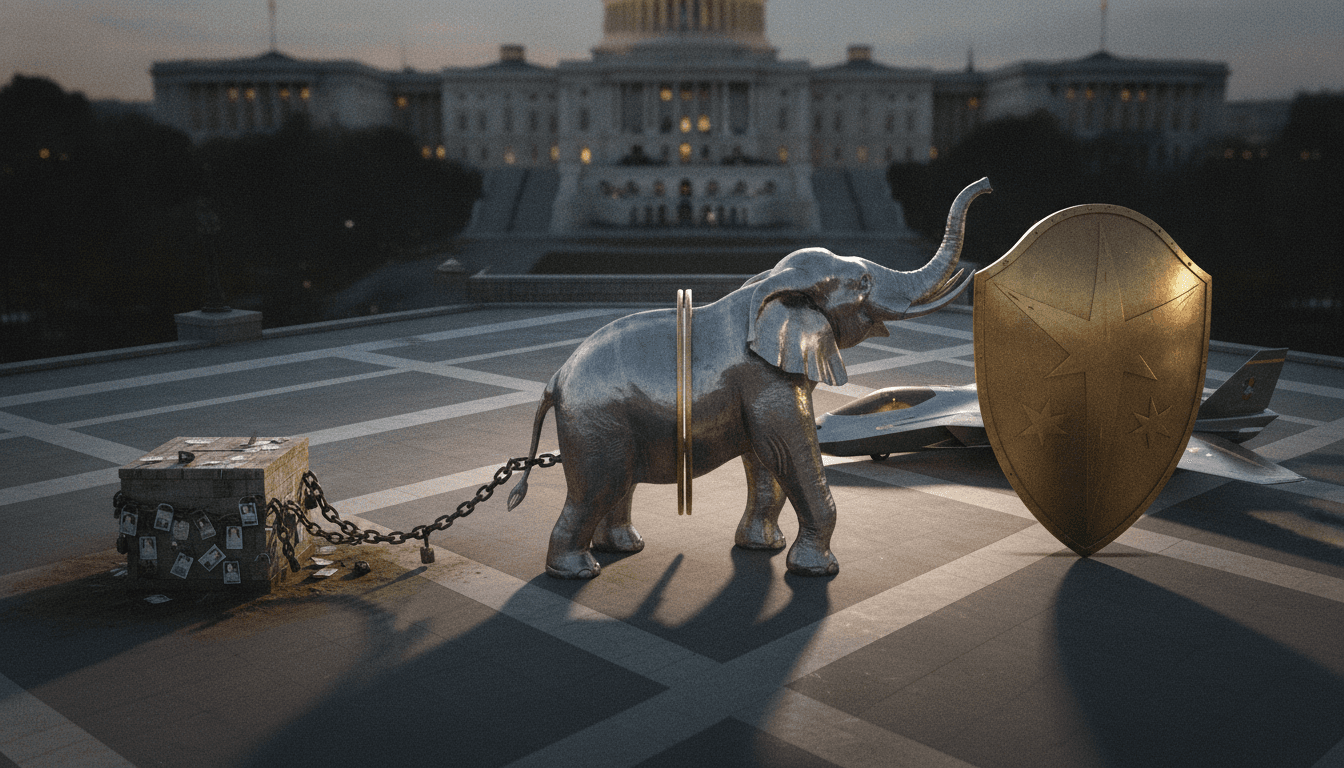
America’s H-1B debate needs reform, not rhetoric, as the nation grapples with the complexities of its high-skilled immigration system. The ongoing discourse, often characterized by heated rhetoric rather than substantive policy discussions, highlights a critical juncture for U.S. competitiveness and innovation. As of Sunday, June 14, 2026, the foundational challenges within the H-1B visa program continue to spark intense conversations among policymakers, industry leaders, and workers, underscoring the urgent need for a more pragmatic and forward-looking approach.
The Story: Navigating America’s H-1B Debate
The core of America’s H-1B debate centers on balancing the needs of U.S. businesses for specialized talent with concerns about protecting domestic jobs and preventing exploitation. The H-1B visa, designed for temporary workers in specialty occupations, has become a lightning rod for broader immigration discussions. Businesses, particularly in the technology and STEM fields, argue that the current cap of 85,000 visas annually (65,000 regular cap and 20,000 for those with a U.S. master’s degree or higher) is woefully inadequate to meet the demand for highly skilled professionals. They contend that without access to global talent, American innovation will stagnate, and critical industries will lose their competitive edge to other nations.
Conversely, critics of the current system often point to instances of alleged visa abuse, where companies are accused of using H-1B visas to replace American workers with cheaper foreign labor. These concerns fuel the narrative that the program undermines wage growth and job security for U.S. citizens. The lottery system, which often sees hundreds of thousands of applications for a limited number of visas, further complicates matters, creating uncertainty for both employers and prospective employees. This annual scramble, often likened to ‘raining bills’ in its frenetic pace, underscores the immense pressure on the existing framework.
“The H-1B program, in its current form, is a system under immense strain, failing to adequately serve either the needs of American innovation or the concerns of its workforce. It’s a testament to a policy landscape dominated by short-term political gains over long-term strategic planning.”
The intensity of America’s H-1B debate has only escalated in recent years, with various administrations attempting reforms, often with limited success. These attempts have frequently been bogged down by partisan gridlock, preventing comprehensive legislative solutions from materializing. The result is a system characterized by rising barriers for legitimate applicants and persistent questions about its fairness and efficacy.
Impact Analysis: Political & Policy Landscape
The H-1B debate has significant ramifications for the broader politics and policy landscape. Economically, the inability to secure sufficient high-skilled talent can hinder the growth of key sectors, impacting everything from technological advancements to scientific research. Politically, the issue is highly charged, often becoming a talking point in electoral campaigns, where candidates either champion the need for more skilled immigration or advocate for stricter controls to protect domestic workers. This polarization makes achieving bipartisan consensus on reform exceedingly difficult.
From a policy perspective, the current H-1B framework is seen by many as outdated and rigid, failing to adapt to the dynamic demands of a 21st-century global economy. Proposals for reform range from increasing the annual cap and streamlining the application process to implementing wage-based allocations and strengthening enforcement mechanisms against abuse. However, each proposed change faces substantial opposition from various interest groups, making incremental adjustments more likely than sweeping overhauls.
Context & Background: A History of Immigration Challenges
The challenges surrounding the H-1B visa are not new; they are rooted in a long history of U.S. immigration policy struggling to adapt to economic shifts and global competition. Established in 1990, the H-1B program was intended to fill specific skill gaps. Over the decades, however, its role has expanded significantly, particularly with the rise of the tech industry. Previous administrations have grappled with the same fundamental questions: how to attract and retain the best global talent while ensuring fair labor practices for American citizens. The annual visa lottery, a feature since the program’s inception, has consistently demonstrated the overwhelming demand for these visas, far outstripping the available supply. This consistent imbalance has fueled much of America’s H-1B debate.
Industry trends show a sustained demand for workers in STEM fields, a demand that domestic educational pipelines often struggle to meet entirely. This gap is precisely what the H-1B program aims to address, yet its limitations often mean that U.S. companies are forced to either move operations abroad or lose out on critical innovations. The economic implications are clear: a more flexible and responsive H-1B system could bolster U.S. competitiveness, while a restrictive one risks ceding ground to other nations actively courting skilled immigrants.
What’s Next: Future Implications and Decisions
Looking ahead, the future of the H-1B program is likely to remain a central point of contention. Upcoming decisions by Congress and the Executive Branch will be crucial in determining the program’s trajectory. There is an expectation of continued legislative proposals, though their success will hinge on the ability of lawmakers to transcend partisan divides. Industry groups will continue to lobby for increased caps and streamlined processes, while labor unions and worker advocacy groups will push for stronger protections and enforcement. The debate over America’s H-1B debate is far from over.
Technological advancements, particularly in artificial intelligence and automation, could further complicate the discussion, raising new questions about the types of skills needed and the potential impact on the domestic workforce. The outcome of these policy discussions will not only shape the future of high-skilled immigration but also significantly influence America’s standing as a global leader in innovation and economic growth.
Key Takeaway: The Imperative for Thoughtful Reform
The ongoing H-1B debate underscores a fundamental truth: America’s economic future is intrinsically linked to its ability to attract and integrate global talent. The current system, characterized by bottlenecks, controversy, and a persistent mismatch between supply and demand, is unsustainable. Moving beyond the prevailing rhetoric and towards thoughtful, data-driven reform is not merely an option but an imperative. A reformed H-1B program that effectively balances the needs of businesses, protects workers, and adapts to the evolving global landscape is essential for maintaining U.S. competitiveness and fostering sustained innovation. The stakes are too high for anything less than a comprehensive and collaborative approach to this critical policy challenge.