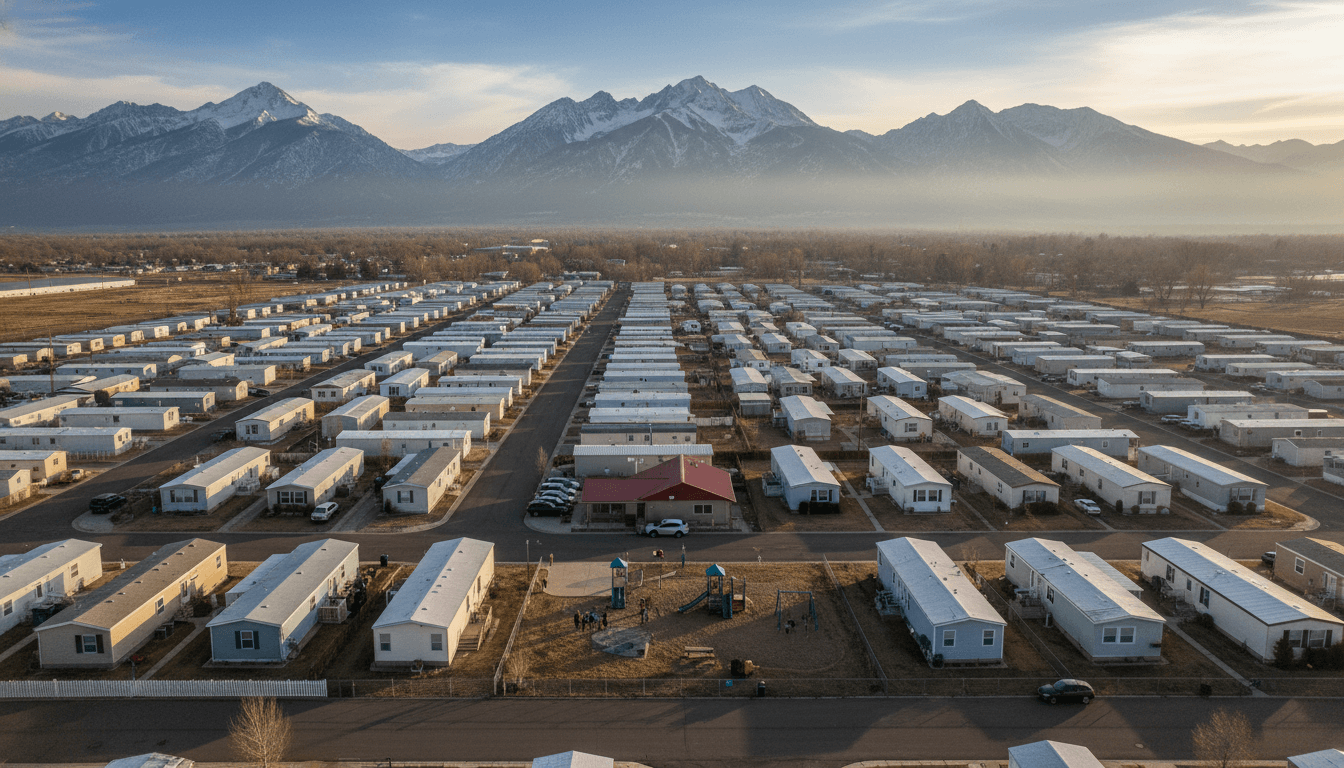
Colorado strengthens mobile home park protections with the recent signing of HB26-1224 into law, a bipartisan effort aimed at empowering residents and fostering greater transparency in park sales. The legislation, signed on June 3, 2026, builds upon previous legislative efforts to address the unique vulnerabilities faced by mobile home residents, who often own their homes but not the land beneath them. This new law is set to dramatically reshape the landscape of mobile home park acquisitions, providing residents with an enhanced and more equitable opportunity to purchase their communities.
Sponsored by Senate Assistant Majority Leader Lisa Cutter (D-Jefferson County), Senator Dylan Roberts (D-Frisco), House Speaker Pro Tempore Andy Boesenecker (D-Fort Collins), and Representative Elizabeth Velasco (D-Glenwood Springs), HB26-1224 significantly bolsters the Colorado Mobile Home Park Act (MHPA). Its core objective is to ensure that residents have a fair chance to acquire the land beneath their homes, preventing displacement and preserving a vital source of affordable housing across the state. The law is scheduled to take effect on January 1, 2027.
“This legislation builds upon years of work to level the playing field for mobile home park residents who often own their home but not the land beneath it,” said Cutter. “We’ve implemented laws to help residents join together to purchase their parks, keeping costs down and creating opportunities for stability and ownership. This new law adds additional measures to facilitate residents’ ability to purchase their park when it goes up for sale.”
Representative Velasco emphasized the particular vulnerability of mobile home residents to displacement, especially in regions like the Western Slope where mobile homes represent a significant portion of affordable housing. She highlighted that the law aims to prevent housing instability and create opportunities for generational wealth by improving disclosure and notice requirements, thereby enabling residents to present strong bids for park purchases.
Enhanced Transparency and Resident Empowerment
A cornerstone of HB26-1224 is its commitment to improving transparency. Starting January 1, 2027, landlords will be required to disclose comprehensive documentation upon a resident’s request. This includes justification for the property’s list price, the age and history of major infrastructure, rental information, and operating expenses. Furthermore, landlords must reveal any financial ties to potential buyers and any existing agreements between them, directly addressing concerns about anti-competitive practices that could artificially inflate prices.
The law also grants residents at least 90 days to conduct thorough inspections when a park is for sale and offers protections for those who negotiate in good faith. This extended timeframe and increased access to critical information are designed to equip resident groups with the necessary tools to compete effectively against better-resourced external buyers. Senator Roberts, who has witnessed successful resident-led purchases in his district, underscored the transformative potential of such initiatives for preserving local, affordable housing.
In addition to sale-related provisions, the new law introduces several key measures to prevent evictions and stabilize housing costs. Residents will receive explicit notice when a park owner is temporarily prohibited from raising lot rents. Evictions must now be predicated on an official government finding of a violated law, ordinance, or rule, moving beyond informal claims. The legislation also limits the annual MHPA registration fee amount that can be passed on to homeowners, offering direct financial relief.
Context and Broader Policy Landscape
The passage of HB26-1224 is not an isolated event but rather the latest in a series of legislative actions by Colorado Democrats aimed at supporting mobile home park residents. In 2020, the legislature established a pathway for residents to collectively purchase the land under their communities. Subsequent laws have addressed critical issues such as improving water quality in mobile home parks, strengthening general tenant protections, enhancing language accessibility for important notices, and clarifying the conditions of mobile home and park sales. This session, Senator Cutter and Representative Velasco also sponsored another bill to further strengthen water quality protections for mobile home residents, underscoring a consistent legislative focus on this demographic.
House Speaker Pro Tempore Andy Boesenecker articulated the broader policy perspective, stating that mobile home parks represent a crucial source of unsubsidized affordable housing. He noted that while previous protections were enacted, residents still faced significant challenges in competing with external buyers. This new legislation directly tackles that competitive disadvantage, aiming to maintain affordable housing options for low- and middle-income Coloradans by facilitating resident ownership. The ongoing legislative push reflects a recognition of the unique economic and social value of mobile home communities within Colorado’s housing ecosystem. Similar housing policies are being debated across states as affordability crises deepen.
What’s Next for Mobile Home Communities
As the provisions of HB26-1224 come into effect on January 1, 2027, mobile home park residents across Colorado can anticipate a more transparent and equitable process when their communities are put up for sale. The 90-day inspection period and mandatory disclosure requirements will necessitate a shift in how park owners approach sales, potentially leading to more informed and competitive bids from resident groups. The ban on anti-competitive practices and the requirement to disclose financial ties could also mitigate some of the speculative pressures that have historically made resident purchases challenging.
The implementation of these new rules will likely be closely monitored by housing advocates and policymakers, not only in Colorado but also in other states grappling with similar affordable housing challenges. The success of this legislation in empowering residents and preserving affordable housing could serve as a model for future policy interventions. Further, the emphasis on official findings for evictions and limits on fee pass-throughs could stabilize living conditions for thousands of Coloradans, offering greater peace of mind and reducing the threat of sudden displacement.
The signing of HB26-1224 marks a significant legislative victory for mobile home park residents and a clear statement of Colorado’s commitment to protecting affordable housing. By enhancing transparency, empowering residents in the sales process, and strengthening tenant protections, the state is taking concrete steps to ensure that these communities remain viable and accessible for Coloradans. This sustained legislative focus on mobile home park protections underscores an evolving understanding of housing affordability as a multifaceted issue requiring targeted, comprehensive policy solutions.