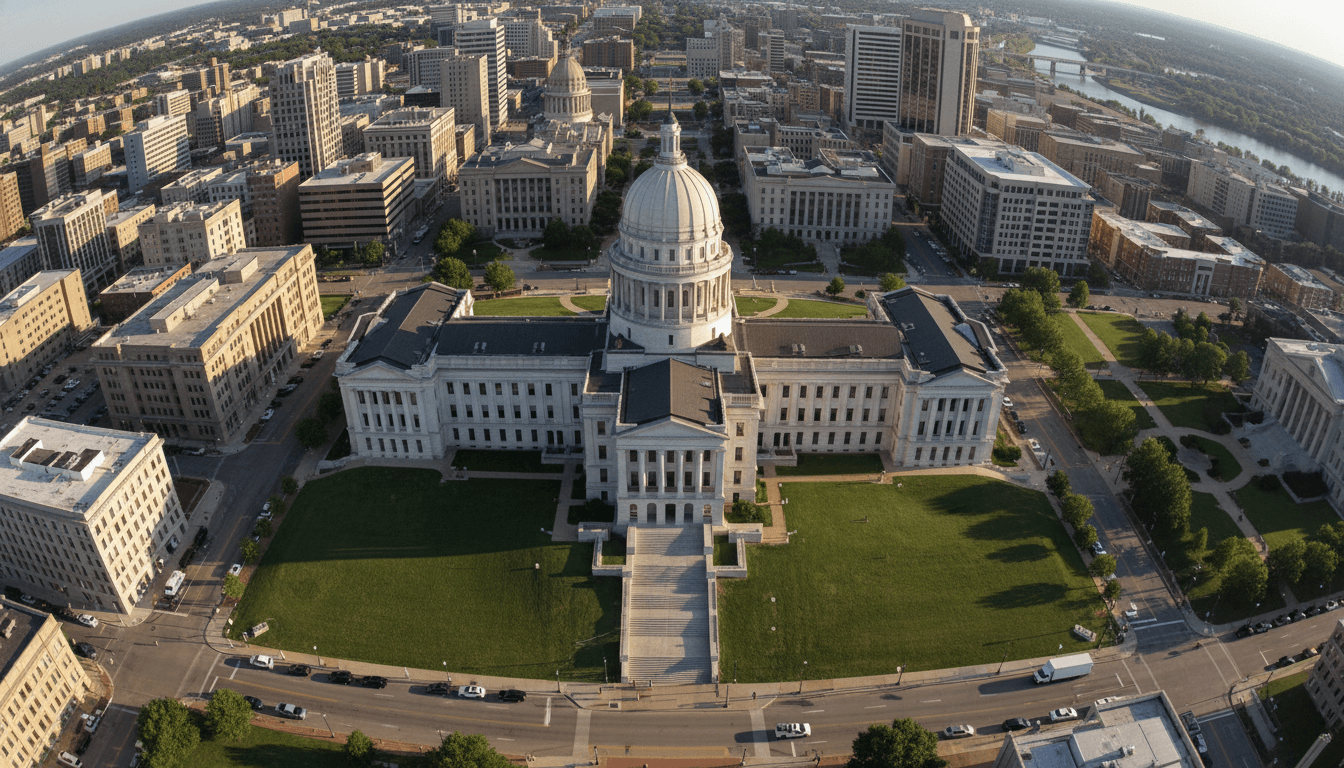
An Arkansas policy was declared unlawful in a significant ruling handed down on Saturday, June 6, 2026, marking a pivotal moment for public administration and legal precedent within the state. The decision, reported by The Arkansas Democrat-Gazette, immediately raises questions about the implementation of similar policies and the broader implications for legislative drafting and executive authority across Arkansas.
The Unlawful Policy Ruling Details
The ruling on Saturday, June 6, 2026, specifically targeted an Arkansas policy, though the precise nature of the policy and the parties involved were not detailed in the initial report. What is clear, however, is that a judicial body has found this particular policy to be in violation of established law, rendering it unenforceable. This kind of declaration often stems from challenges brought by individuals, advocacy groups, or even other governmental entities who argue that a policy oversteps legal boundaries, infringes upon rights, or deviates from statutory intent. The immediate effect is that the policy in question can no longer be legally applied or enforced by the state.
Impact Analysis of the Unlawful Policy Ruling
The declaration of an Arkansas policy as unlawful carries substantial weight, not just for the specific regulation but for the broader political and policy landscape. Such rulings can force state agencies to halt ongoing programs, revise operational procedures, or even necessitate legislative action to correct the legal deficiencies. For businesses and citizens affected by the now-defunct policy, the ruling could mean a reversal of previous requirements or the cessation of certain state-mandated activities. Furthermore, this decision could embolden other groups to challenge existing policies, creating a ripple effect across various sectors of state governance.
“This ruling serves as a stark reminder of the checks and balances inherent in our system, underscoring the judiciary’s role in ensuring that legislative and executive actions remain within the confines of the law,” noted a legal analyst following the announcement.
The implications extend to how future policies are drafted and reviewed. State legislative bodies and administrative agencies may now adopt a more cautious approach, scrutinizing proposed policies more rigorously for potential legal vulnerabilities. This could lead to a slower policy-making process but potentially result in more robust and legally sound legislation. The financial impact could also be significant, as resources previously allocated to implementing or enforcing the unlawful policy may need to be redirected, and the state could face legal challenges for past enforcement actions.
Context & Background
Rulings declaring state policies unlawful are not unprecedented, but each instance carries unique significance. They often reflect ongoing debates about the scope of state power, individual liberties, and the interpretation of constitutional principles. Historically, such challenges have arisen in areas ranging from environmental regulations to healthcare mandates and economic development incentives. The frequency and nature of these challenges can often be indicative of a state’s political climate and the level of public engagement with governmental decisions. In Arkansas, the legal landscape has seen its share of debates over the balance between state authority and individual or corporate interests, making this particular unlawful policy ruling a notable addition to that history. Understanding the specific legal arguments that led to this decision would provide deeper insight into the prevailing legal interpretations in the state.
What’s Next for the Unlawful Policy
The immediate aftermath of the ruling will likely involve a period of assessment by the relevant state agencies and potentially the Attorney General’s office. Options could include appealing the decision to a higher court, revising the policy to comply with the court’s findings, or abandoning the policy altogether. Any appeal would prolong the legal battle and keep the ultimate fate of the policy in limbo. If the state chooses to revise the policy, it would necessitate a careful redrafting process, potentially involving public comment periods and further legislative review. The decision on Saturday, June 6, 2026, could also prompt a review of other similar policies that might share the same legal vulnerabilities, setting the stage for future legal challenges or proactive legislative adjustments. The broader political discourse will undoubtedly be shaped by this unlawful policy declaration, potentially influencing upcoming elections and policy debates.
Key Takeaway
The declaration that an Arkansas policy is unlawful underscores the critical role of judicial oversight in maintaining the integrity of the legal framework. This ruling on Saturday, June 6, 2026, not only invalidates a specific state regulation but also sends a clear message about the boundaries of governmental authority. For state agencies, legislators, and the public, it reinforces the necessity of ensuring that all policies are legally sound and compliant with established statutes and constitutional principles, ultimately shaping how governance operates within Arkansas for years to come.