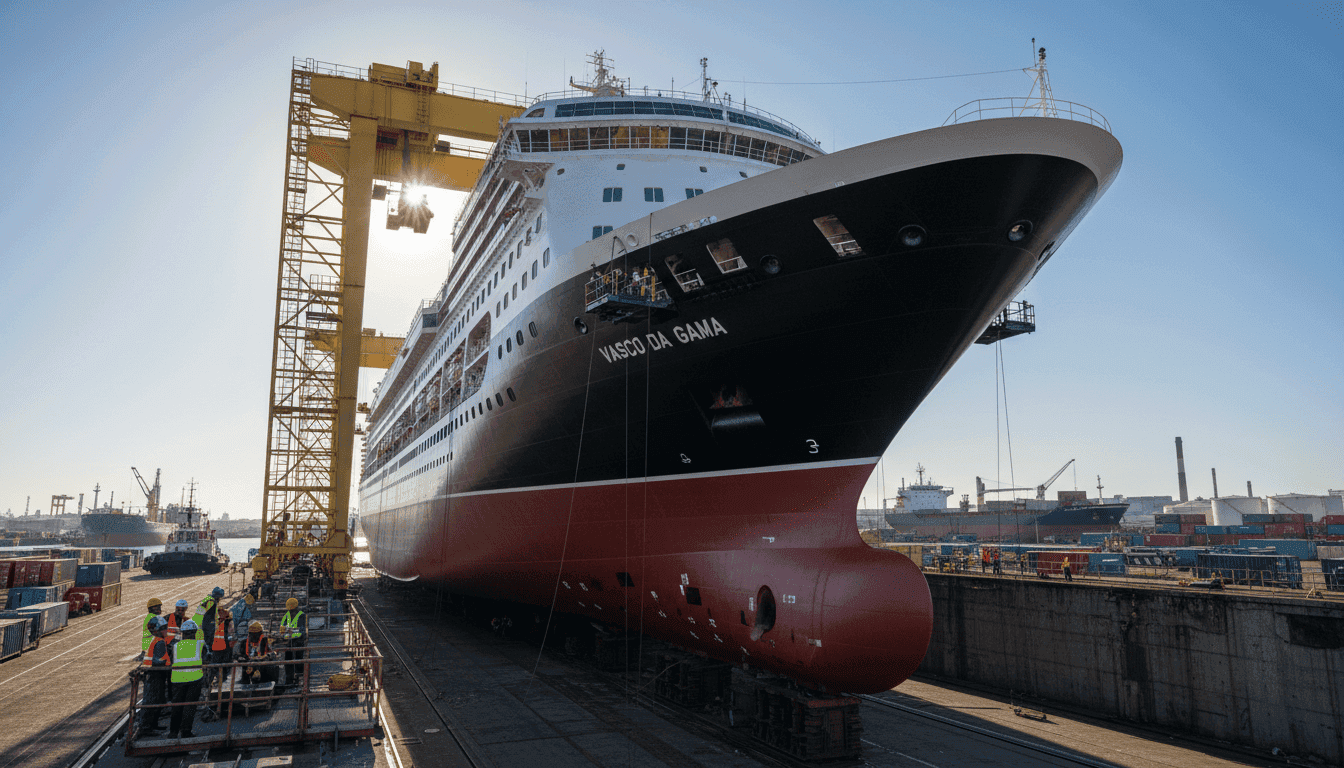
The sudden cancellation of Vasco da Gama cruise itineraries for an unscheduled drydock has sent ripples through the European cruise market, particularly impacting tourism in Hamburg and Scandinavia. Nicko Cruises, a prominent player in the river and ocean cruise sector, announced on Sunday, April 26, 2026, that its ocean-going vessel, the Vasco da Gama, would require an unexpected period in drydock, necessitating the immediate termination of planned voyages. This development directly affects passengers who had booked cruises departing from key European ports, disrupting meticulously planned travel arrangements and posing logistical challenges for both the cruise line and its customers.
The decision to pull the Vasco da Gama from service for an unscheduled drydock highlights the operational complexities inherent in managing a large cruise fleet. While the specific reasons for this urgent maintenance have not been detailed, such occurrences typically stem from unforeseen technical issues that require immediate attention to ensure passenger safety and operational integrity. For Nicko Cruises, this translates into not only a loss of revenue from canceled sailings but also significant costs associated with the drydock procedure and potential compensation for affected passengers.
The Unscheduled Drydock Decision
Nicko Cruises’ Vasco da Gama, a vessel known for its itineraries exploring diverse European destinations, was slated for various voyages that would have brought tourists to the scenic coastlines of Scandinavia and the historic port city of Hamburg. The announcement on April 26, 2026, confirms the immediate cessation of these cruises. Passengers booked on these affected sailings now face the challenge of altering their travel plans, with many likely having made non-refundable arrangements for flights, hotels, and shore excursions. The cruise line will undoubtedly be working to mitigate the impact on its clientele, likely offering refunds, future cruise credits, or rebooking options, though the inconvenience to travelers remains substantial.
This event underscores the delicate balance within the cruise industry between maintaining operational schedules and ensuring the highest standards of vessel maintenance and safety. Unscheduled drydock periods are disruptive but are critical for addressing issues that could compromise the ship’s seaworthiness or guest experience. The timing, just as the European summer season begins to ramp up, further amplifies the impact on potential tourism revenue for destinations like Hamburg and various ports across Scandinavia.
Impact on Hamburg, Scandinavia Tourism
The cancellation of Vasco da Gama cruise itineraries has a direct and immediate impact on Hamburg, Scandinavia tourism. Cruise ships are significant contributors to local economies, bringing thousands of visitors who spend money on local transportation, dining, shopping, and guided tours. For cities like Hamburg, a major cruise hub, and the numerous picturesque towns along the Scandinavian coast, a canceled cruise translates into a tangible loss of tourist expenditure. Local businesses, from souvenir shops to tour operators and restaurants, will feel the absence of these expected visitors.
Furthermore, the disruption could have a broader, albeit minor, effect on regional perceptions of travel reliability. While an unscheduled drydock is an operational necessity, it can contribute to a sense of uncertainty for travelers planning future cruise vacations. Travel agents and tour operators who specialize in European cruises will need to manage client expectations and potentially adjust their recommendations to account for such unforeseen events. This situation serves as a reminder for the broader travel industry to emphasize the importance of travel insurance and flexible booking options for consumers.
“Unexpected operational disruptions, like the Vasco da Gama’s unscheduled drydock, highlight the inherent vulnerabilities in the meticulously planned world of cruise tourism. The ripple effect extends far beyond the cruise line, touching local economies and impacting traveler confidence.”
Context and Background in Cruise Operations
The cruise industry, while resilient, is no stranger to operational challenges. From geopolitical events to health crises and, as in this case, unforeseen mechanical issues, cruise lines continuously navigate a complex landscape. Historically, vessels undergo planned drydock periods every few years for routine maintenance, upgrades, and regulatory inspections. An unscheduled drydock, however, indicates a more pressing issue that could not wait for a pre-determined slot. This could range from engine trouble to hull damage or issues with navigation systems, all of which require immediate attention to comply with maritime safety standards.
The financial implications for Nicko Cruises are substantial. Beyond the direct costs of repairs and drydock facilities, there are expenses related to passenger compensation, potential rebooking fees, and the administrative burden of managing thousands of disrupted bookings. Such incidents also test a cruise line’s customer service capabilities and its ability to communicate effectively and empathetically with affected guests. For more insights into how the industry manages such disruptions, readers can explore our related travel & tourism articles.
What’s Next for Nicko Cruises and Affected Travelers
Moving forward, Nicko Cruises will be focused on two primary objectives: expediting the necessary repairs on the Vasco da Gama cruise ship and managing customer relations. Passengers affected by the cancellations should expect direct communication from Nicko Cruises regarding their options, which typically include full refunds, credit for future cruises, or the possibility of rebooking on alternative itineraries or vessels, if available. The speed and transparency with which Nicko Cruises handles these issues will be crucial for maintaining its brand reputation.
For the broader tourism sector in Hamburg and Scandinavia, this event serves as a minor setback. While the loss of one ship’s itineraries is impactful, these regions are popular destinations served by numerous cruise lines and other forms of tourism. The long-term impact is likely to be minimal, though it underscores the importance of diversified tourism streams for local economies. Industry observers will be watching for updates on the Vasco da Gama’s return to service and any official statements from Nicko Cruises regarding the nature of the repairs.
Key Takeaway: Operational Resilience and Customer Trust
The cancellation of Vasco da Gama cruise itineraries for an unscheduled drydock is a stark reminder of the operational challenges inherent in the global cruise industry. It highlights the critical need for robust maintenance protocols and swift, transparent communication when unforeseen issues arise. For Nicko Cruises, the immediate priority is to ensure the safety and seaworthiness of the Vasco da Gama cruise ship while minimizing inconvenience to its passengers. This incident underscores that while the allure of cruising remains strong, the industry’s continued success hinges on its ability to navigate complex operational realities, uphold stringent safety standards, and ultimately, maintain the trust and confidence of its global customer base.