An El Niño cycle has officially begun, confirmed by the National Oceanographic and Atmospheric Administration (NOAA), signaling a profound shift in global weather patterns that is expected to last through early 2027. This declaration comes with a sobering forecast: there is a 63 percent chance this cycle will escalate into a ‘very strong’ event, colloquially known as a ‘Super El Niño,’ potentially ranking among the largest since 1950. The implications for the environment and global climate stability are significant, with experts warning of exacerbated extreme weather events worldwide.
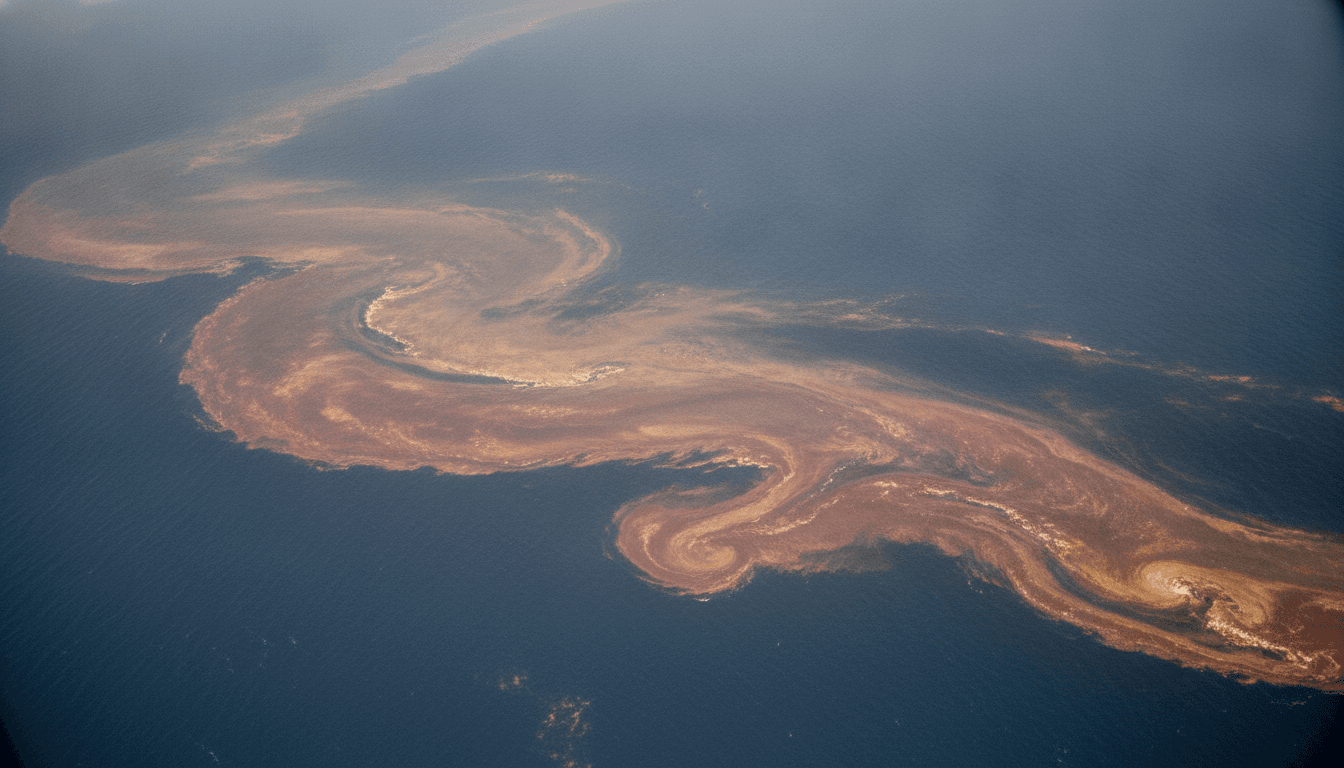
The El Niño Southern Oscillation (ENSO) phenomenon, of which El Niño is one phase (the other being La Niña), describes the cyclical warming and cooling of ocean surface temperatures in the central and eastern Pacific. El Niño, meaning ‘the boy’ in Spanish, signifies warmer-than-average sea surface temperatures. These oceanic temperature shifts are not merely localized phenomena; they are fundamental drivers of atmospheric circulation, influencing cloud formation, rainfall, and storm systems across the planet. While not a direct cause of specific weather events, El Niño creates the conditions under which extreme weather, from devastating droughts and wildfires to severe floods and hurricanes, becomes significantly more probable and intense.
Global Impact Analysis
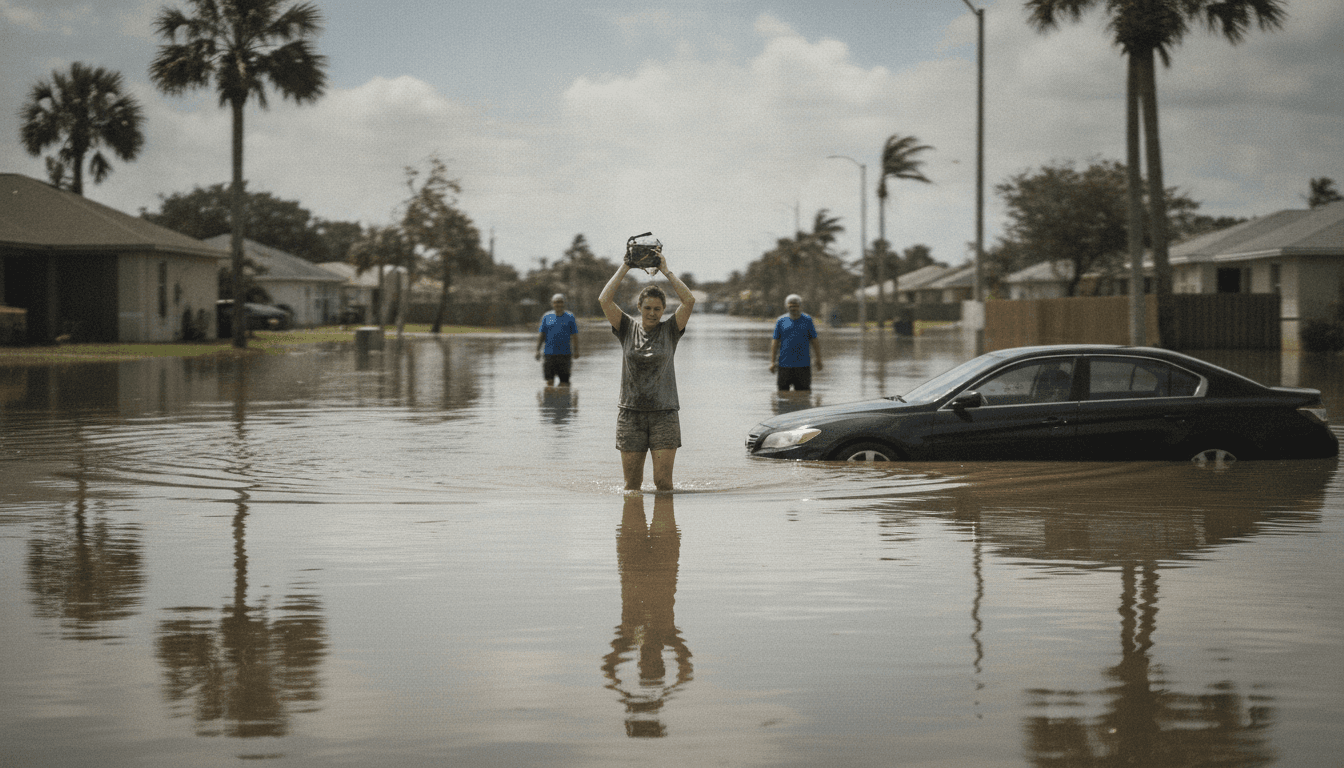
The geographical reach of El Niño’s influence is extensive and varied. Regions such as the Amazon Basin and parts of northeastern South America are anticipated to experience drier conditions, increasing the risk of drought and associated wildfires. Conversely, areas including Mexico and the southern United States could face significantly wetter periods, leading to heightened flood risks. The World Meteorological Organization’s Secretary-General, Celeste Saulo, has underscored the gravity of the situation, stating that a strong El Niño could
“exacerbate drought and heavy rainfall and increase the risk of heatwaves both on land and in the ocean.”
This highlights the dual threat of both water scarcity and excess, alongside widespread thermal stress on ecosystems and human populations.
While El Niño is a naturally occurring climatic phenomenon, its interaction with anthropogenic climate change presents a particularly concerning scenario. Scientists have consistently warned that rising global temperatures, driven by human activities, are already making extreme weather events more likely. The onset of a potentially ‘Super El Niño’ on top of this elevated baseline could amplify these impacts, creating a compounding effect that pushes natural systems and human infrastructure beyond their adaptive capacities. The duration of this El Niño, projected to extend into early 2027, suggests a prolonged period of environmental stress and potential socio-economic disruption globally. Related environment & climate articles have frequently explored the intersection of natural variability and human-induced climate shifts, emphasizing the growing urgency for robust adaptation strategies.
What’s Next for Global Weather Patterns
The declaration of an El Niño cycle having officially begun serves as an urgent call for preparedness. Governments, industries, and communities worldwide must now brace for a protracted period of climate volatility. Agricultural sectors will need to anticipate altered rainfall patterns, potentially impacting crop yields and food security. Energy grids may face increased demand for cooling in heat-stricken regions or disruptions from severe storms. Disaster response agencies will likely see heightened activity, responding to a wider array of extreme events. The financial implications, from insurance claims to infrastructure repairs, could be substantial, placing additional strain on national economies already contending with other global challenges.
The current El Niño cycle, with its high probability of reaching ‘very strong’ status, necessitates a critical re-evaluation of climate resilience strategies. Long-term forecasting and early warning systems become even more vital in mitigating potential damages. International cooperation in sharing data, resources, and expertise will be paramount in navigating the complex and interconnected challenges posed by this significant climatic event. As the world confronts this powerful natural phenomenon, the interplay with human-driven climate change will undoubtedly test the limits of global adaptation and mitigation efforts.