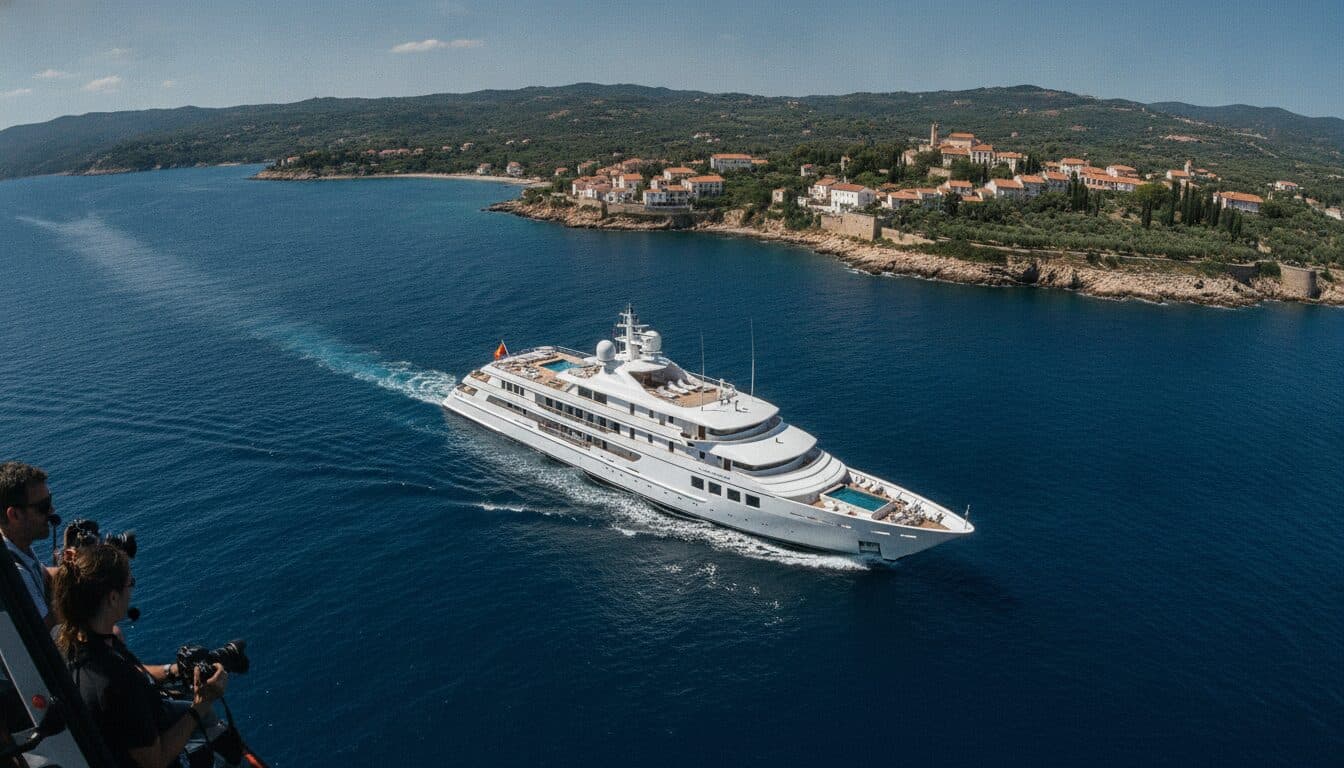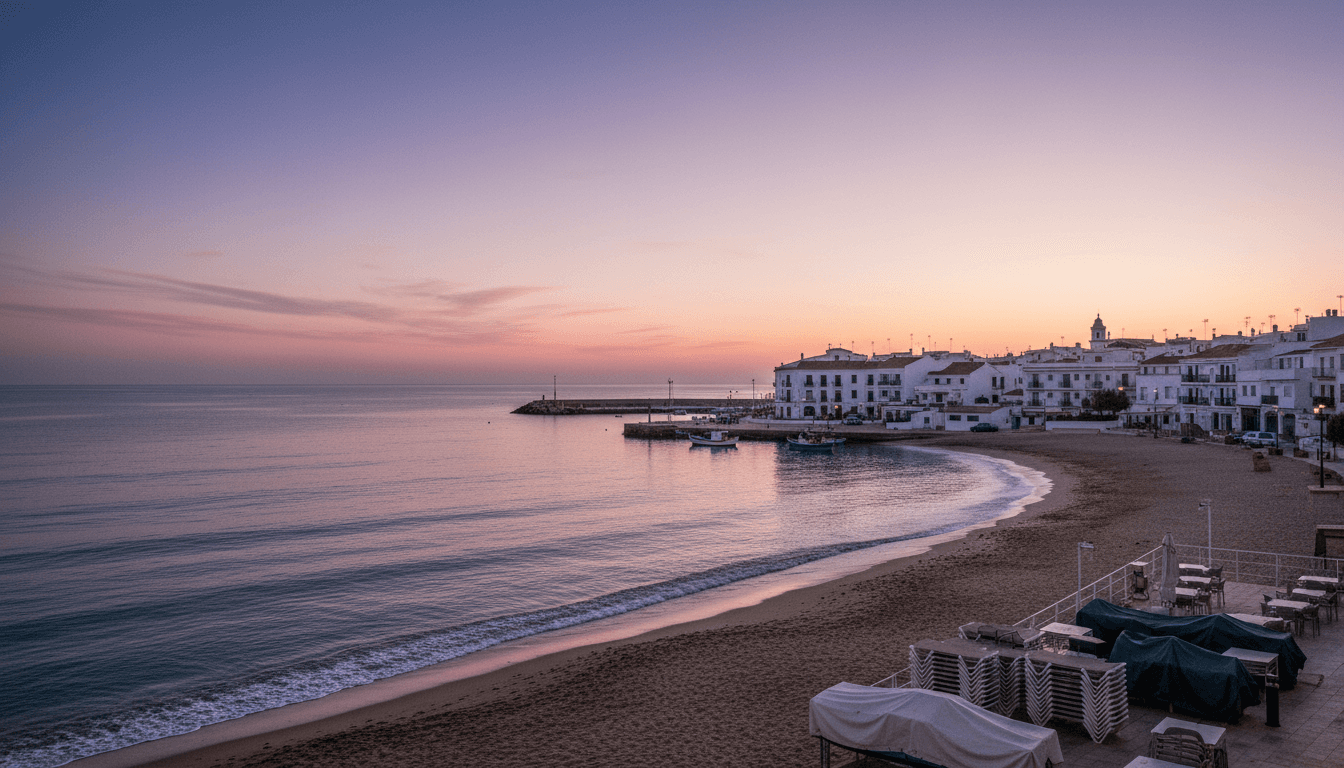
Spain tourism outperformance continues, with the nation’s travel sector demonstrating robust growth that is expected to extend through the crucial spring and summer months of 2026. This sustained vitality positions Spain as a premier global destination, particularly appealing to international travelers seeking both stability and adventure amidst ongoing geopolitical uncertainties.
The latest projections, released on Saturday, April 11, 2026, underscore Spain’s exceptional resilience and appeal. While global travel trends often fluctuate, Spain’s tourism industry has consistently defied expectations, registering growth rates that significantly outpace the worldwide average. This consistent outperformance is not merely a short-term anomaly but reflects a deeper, structural strength in the country’s tourism offering, from its diverse cultural heritage to its stunning natural landscapes and world-renowned gastronomy.
Impact Analysis
The continued strong performance of Spain’s tourism sector has profound implications for the broader European and global travel landscape. As other destinations grapple with economic headwinds or shifts in traveler preferences, Spain’s ability to consistently attract visitors provides a crucial benchmark. It highlights the strategic importance of a diversified tourism product, effective marketing campaigns, and a perceived sense of security for travelers.
For global travel companies, tour operators, and airlines, Spain’s robust growth signals a reliable and profitable market. Investment in new routes, expanded accommodation options, and innovative tourism experiences within Spain is likely to continue, further solidifying its position. Moreover, Spain’s success could serve as a model for other nations looking to bolster their own tourism industries, especially those navigating similar geopolitical complexities.
“Spain’s consistent ability to outperform global tourism trends speaks volumes about its enduring appeal and strategic positioning as a safe and exciting destination in an uncertain world.”
The influx of tourists also has a significant economic ripple effect, boosting local economies across the country, from major cities like Barcelona and Madrid to coastal regions and rural areas. Employment in hospitality, retail, and transportation sectors benefits directly, contributing to national economic stability.
Context & Background
Spain has historically been a strong player in the global tourism arena, consistently ranking among the top destinations worldwide. Its appeal is multi-faceted, encompassing sun-drenched beaches, historic cities, vibrant festivals, and a rich artistic legacy. In recent years, the country has also invested heavily in sustainable tourism initiatives and digital infrastructure, enhancing the visitor experience and attracting a new generation of environmentally conscious travelers.
This current period of Spain tourism outperformance builds on a foundation of strategic planning and adaptability. Following global disruptions, Spain swiftly pivoted its marketing efforts, emphasizing its safety protocols and the breadth of its offerings beyond traditional beach holidays. This proactive approach has allowed it to capitalize on shifts in traveler behavior, particularly the desire for reliable and enriching experiences.
The geopolitical landscape, marked by various regional conflicts and economic uncertainties, has inadvertently amplified Spain’s appeal. Travelers, when faced with choices, often gravitate towards destinations perceived as stable, welcoming, and offering good value. Spain has successfully cultivated this image, making it a preferred option for a wide demographic of international visitors. For more insights on global travel shifts, see our related travel & tourism articles.
What’s Next for Spain Tourism Outperformance
Looking ahead, the Spanish tourism sector is poised for continued expansion. Industry stakeholders are anticipating further investment in high-value tourism segments, such as cultural tourism, gastronomic tours, and luxury travel, to attract visitors with higher spending power. There is also a strong focus on extending the tourism season beyond the traditional summer months, leveraging Spain’s diverse climate and regional attractions to encourage year-round visitation.
Potential challenges include managing the environmental impact of increased tourism and ensuring that local communities benefit sustainably from the influx of visitors. The Spanish government and tourism bodies are expected to continue their efforts in promoting responsible tourism practices and investing in infrastructure that can support growth without compromising the country’s natural and cultural assets. Digital transformation will also remain a key area, enhancing booking experiences and personalized travel itineraries.
Key Takeaway
The sustained Spain tourism outperformance is a powerful testament to the country’s enduring appeal and its strategic response to a dynamic global environment. It underscores the critical importance of stability, diversity, and targeted marketing in attracting international travelers. As the world navigates ongoing uncertainties, Spain’s success provides a compelling case study in how a nation can leverage its intrinsic strengths to not only weather global storms but emerge stronger as a leading light in the global travel and tourism industry.