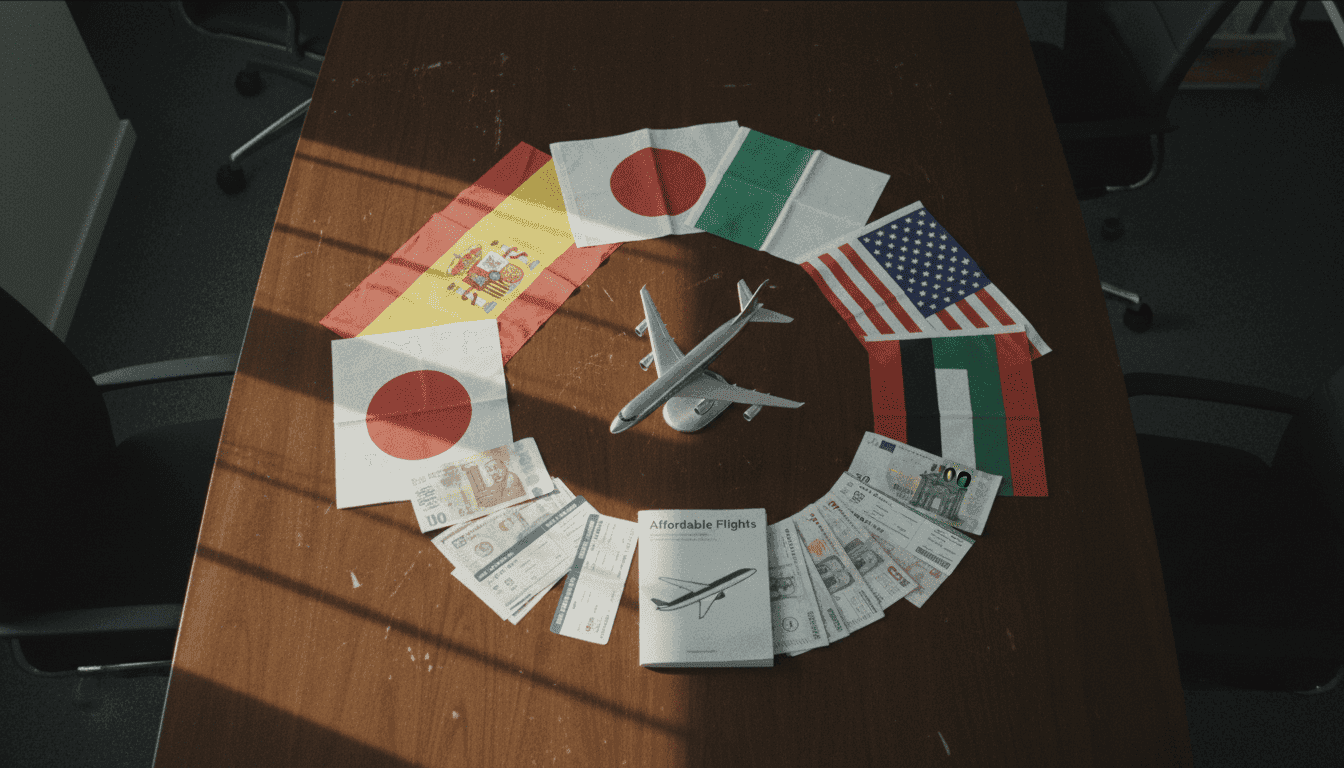
Spain joins major destinations in 2026, including Italy, the US, Japan, and Dubai, in actively combating the challenge of rising airfare prices, a significant development for the global travel and tourism sector. This strategic alignment, effective Tuesday, May 12, 2026, marks a concerted effort by top travel destinations to ensure continued accessibility and affordability for travelers amidst escalating flight costs. The announcement highlights a growing trend among leading tourism economies to implement measures that allow consumers to score affordable flights on major carriers such as Delta, Lufthansa, and Emirates.
The Story: A Coalition Against High Airfare
The core of this unfolding story revolves around a powerful coalition of premier travel destinations – Spain, Italy, the US, Japan, and Dubai – uniting to address a common industry challenge: the persistent rise in airfare. While the specific mechanisms and ‘secret hacks’ for booking cheaper tickets through these destinations remain proprietary insights, the implication is a coordinated push to leverage various strategies. These could range from government-backed tourism incentives and airline partnerships to dynamic pricing models and enhanced promotional campaigns.
The participation of Spain, a perennial favorite for European and international travelers, alongside established giants like the US and Japan, and the rapidly growing hub of Dubai, signals a broad recognition of the economic imperative to keep travel costs manageable. For airlines like Delta, Lufthansa, and Emirates, this presents both a challenge and an opportunity, as they navigate partnerships and pricing strategies in a market increasingly influenced by destination-led initiatives.
“The convergence of these major travel powerhouses to tackle rising airfare is a watershed moment, indicating a shift towards more collaborative and consumer-centric strategies in global tourism.”
Impact Analysis
The decision by Spain and its counterparts to actively beat rising airfare has profound implications for the broader travel and tourism landscape. Firstly, it sets a precedent for other destinations to follow, potentially leading to a more competitive environment where affordability becomes a key differentiator. This could benefit consumers globally, making international travel more accessible. Secondly, it could spur innovation within the airline industry, compelling carriers to develop more flexible pricing structures and loyalty programs that align with destination-specific efforts to reduce costs.
Economically, maintaining affordable air travel is crucial for sustaining tourism revenues, supporting local economies, and fostering cultural exchange. For destinations like Spain, which heavily rely on tourism, ensuring competitive flight prices is vital for maintaining visitor numbers and economic stability. This initiative could also influence investment decisions in aviation infrastructure and technology, as airlines and airports adapt to new market dynamics driven by destination-led affordability campaigns. For more insights into how these trends are shaping the industry, see our related travel & tourism articles.
Context & Background: A Shifting Paradigm
The current efforts to beat rising airfare are not isolated but emerge from a historical context of fluctuating fuel prices, geopolitical events, and evolving consumer demand. Post-pandemic, the travel industry has seen a surge in ‘revenge travel,’ leading to increased demand that, coupled with operational challenges, has often translated into higher ticket prices. Before 2026, many individual airlines and destinations employed their own strategies, but this new coalition signifies a more unified and impactful approach.
Industry trends in the mid-2020s have shown a growing consumer sensitivity to travel costs, particularly airfare, which often constitutes a significant portion of a trip’s total expense. This initiative by Spain joins major destinations in recognizing this sensitivity and proactively addressing it, moving beyond traditional marketing campaigns to tangible efforts that directly impact the traveler’s wallet. The focus on ‘secret hacks’ and direct affordability measures reflects a deeper understanding of consumer pain points.
What’s Next: Sustaining the Momentum
Looking ahead, the success of this coalition in beating rising airfare will depend on several factors, including the long-term commitment of the participating destinations and airlines, the transparency of their strategies, and their ability to adapt to future market shifts. We can anticipate further announcements regarding specific programs, partnerships, and technological innovations aimed at sustaining affordable travel options. Other countries and regions may observe these developments closely, potentially leading to similar initiatives or expanded collaborations.
The impact on airline profitability will be a key area to monitor, as carriers balance competitive pricing with operational costs. Regulatory bodies might also play a role in ensuring fair competition and consumer protection within this evolving landscape. The focus on ‘secret hacks’ for booking cheaper tickets suggests an ongoing effort to empower travelers with information and tools, which could lead to new platforms or services emerging to facilitate these savings.
Key Takeaway
The collective action by Spain joins major destinations like Italy, the US, Japan, and Dubai in proactively tackling rising airfare prices, marking a significant strategic pivot in global tourism. This collaboration underscores a critical recognition that affordability is paramount for sustaining and growing the international travel market. By working together to make flights more accessible, these leading destinations are not only securing their own tourism futures but also setting a new standard for how the industry can respond to economic pressures, ultimately benefiting travelers worldwide and fostering a more vibrant and inclusive global travel ecosystem.