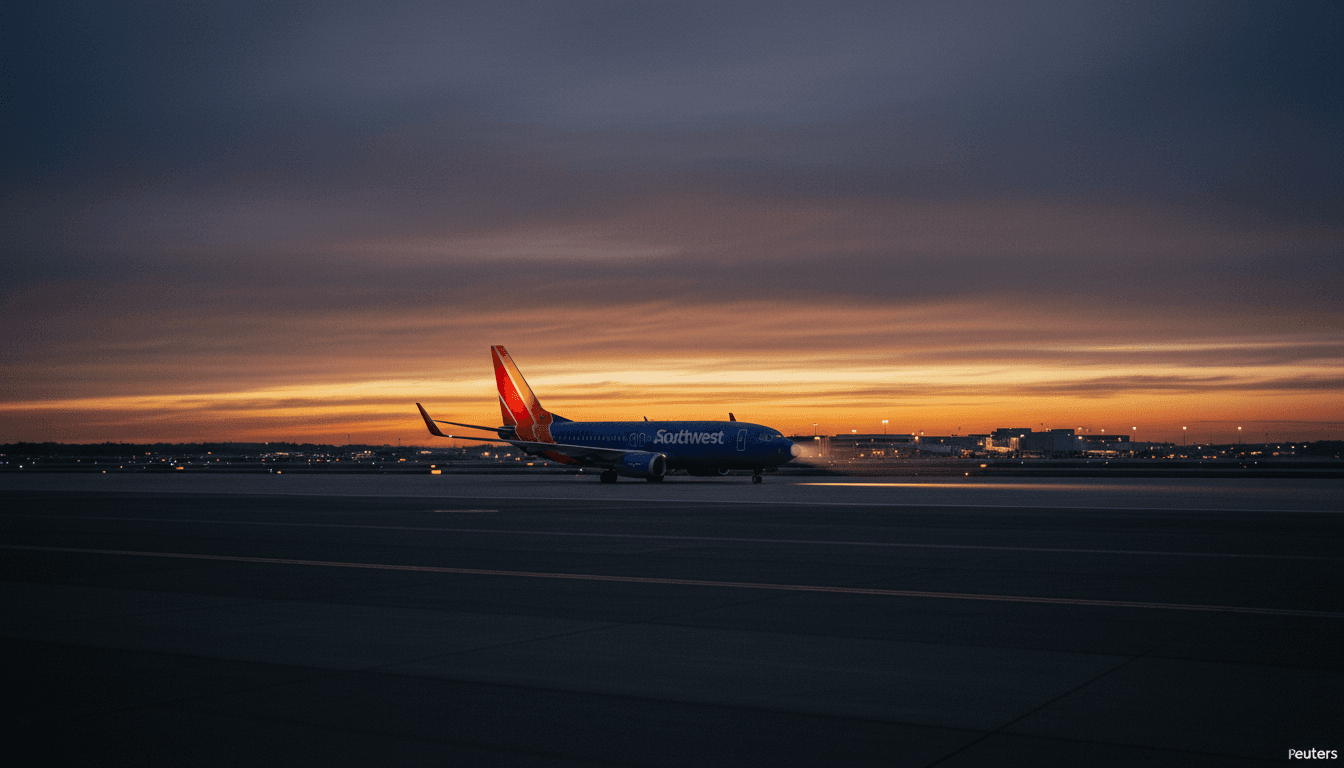
Southwest Airlines adds over a dozen new routes, signaling a strategic expansion that could significantly reshape competitive dynamics in several key regional markets. This development, announced on Tuesday, May 5, 2026, by AirlineGeeks.com, represents a notable commitment to growth by one of the United States’ largest carriers, potentially intensifying competition for passenger traffic and market share.
The Story: Southwest Airlines Adds Over a Dozen New Routes
The core of this announcement is Southwest Airlines’ decision to introduce more than twelve new flight paths. While specific destinations and origin points were not detailed in the initial report, the sheer volume of new routes suggests a broad and calculated maneuver. Southwest, known for its point-to-point service and low-cost model, typically targets underserved markets or routes where it perceives an opportunity to disrupt existing competition with its unique value proposition. This expansion comes at a time when the travel industry continues to adapt to evolving consumer demands and operational efficiencies.
Impact Analysis
The introduction of over a dozen new routes by Southwest Airlines is poised to have a multifaceted impact on the broader travel and tourism landscape. For consumers, it generally translates to increased options, potentially lower fares due to heightened competition, and greater accessibility to various destinations. For competitor airlines, particularly those operating in the newly contested markets, this expansion will necessitate a review of pricing strategies, service offerings, and capacity deployment. Regional airports could see a boost in passenger volume and economic activity, while larger hubs might experience shifts in connecting traffic patterns. This move solidifies Southwest’s aggressive posture in a recovering and evolving airline sector.
“This strategic expansion by Southwest Airlines adds over a dozen new routes, marking a significant play for market share and potentially reshaping regional travel dynamics across the country.”
Context & Background
Southwest Airlines has a long history of strategic network expansion, often focusing on leisure and business travel markets where its low-fare, high-frequency model can thrive. In recent years, the airline industry has seen fluctuating demand, shifting passenger preferences towards more direct routes, and an increasing focus on operational resilience. This latest move by Southwest aligns with a broader industry trend of airlines optimizing their networks to capitalize on specific market opportunities, often driven by post-pandemic travel patterns and the availability of aircraft. Previous expansions have often led to a ‘Southwest effect,’ where the introduction of the airline into a market leads to a general reduction in fares across all carriers on those routes. For more insights into airline strategies, see our related travel & tourism articles.
What’s Next
The immediate next steps will likely involve Southwest Airlines formally announcing the specific routes, including origin cities, destinations, and commencement dates. Following this, competitor airlines will undoubtedly analyze the impact on their own networks and adjust their strategies accordingly. We can anticipate a period of increased promotional activity and pricing adjustments in the affected markets. This expansion could also pave the way for further growth from Southwest, as successful new routes often lead to additional frequencies or even more new destinations in the future. The ripple effect on regional economies, from increased tourism to enhanced business connectivity, will be closely watched.
Key Takeaway
Southwest Airlines adds over a dozen new routes, representing a clear statement of intent regarding its growth ambitions and its confidence in the sustained recovery and expansion of the travel market. This development is not merely about new flight paths; it’s about the continued evolution of airline competition, consumer choice, and the economic impact of robust air travel infrastructure. The strategic decision to significantly grow its network underscores the dynamic nature of the travel and tourism sector, where agility and responsiveness to market opportunities remain paramount for success.