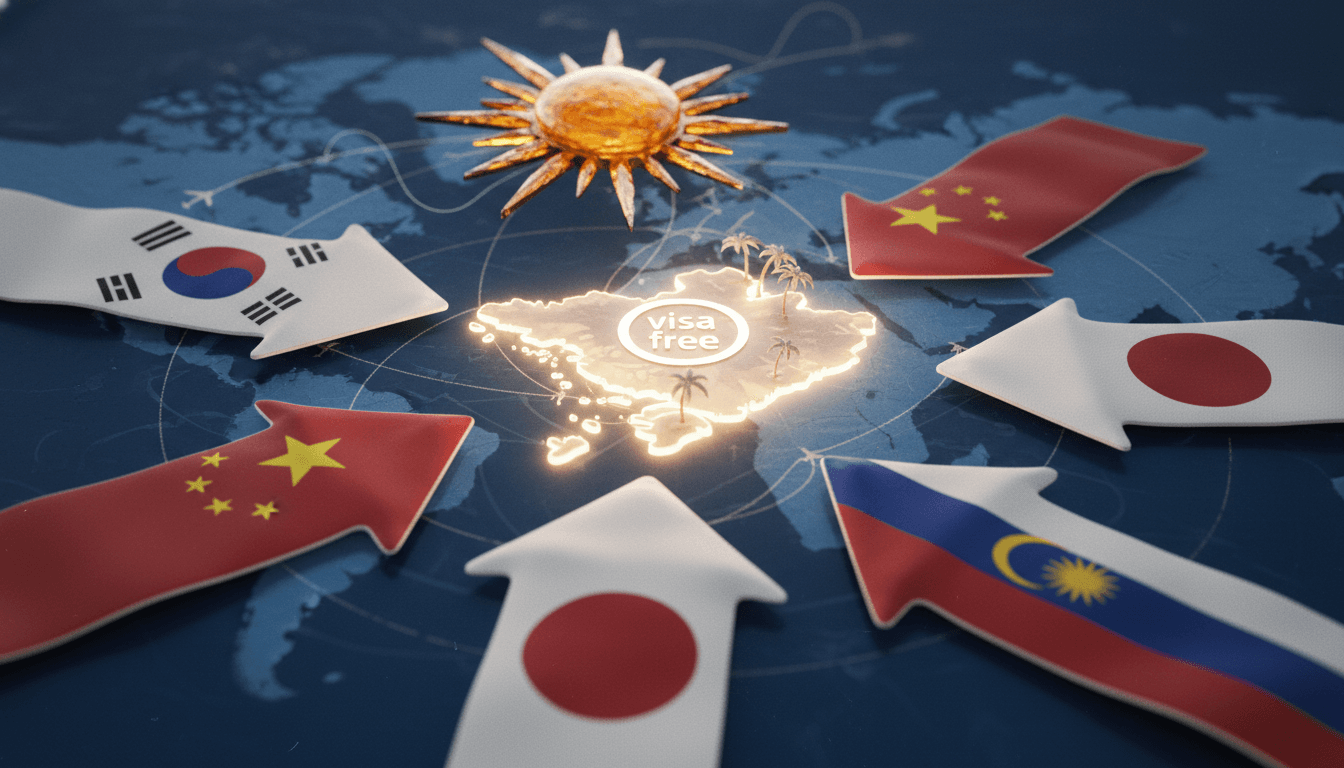
South Korea fuels Vietnam tourism boom, joining nations like China, the US, Japan, Russia, and Malaysia in driving record visitor numbers, with Phu Quoc’s visa-free status proving a pivotal catalyst for unprecedented growth. The Southeast Asian nation, already a darling for international travelers, is witnessing an extraordinary surge, particularly on its idyllic island of Phu Quoc, a destination that has successfully leveraged strategic policy decisions to become a premier draw for global tourists.
The Story: A Confluence of Nations and Policy
The latest data, released on Monday, May 18, 2026, by Travel And Tour World, highlights South Korea’s significant contribution to Vietnam’s burgeoning tourism sector. This development underscores a broader trend where major global economies are increasingly directing their outbound tourism to Vietnam. The strategic implementation of visa-free entry for Phu Quoc has been a game-changer, transforming the island into a magnet for diverse international markets. This policy, a bold move by the Vietnamese government, has effectively removed a key barrier for millions of potential visitors, directly translating into tangible economic benefits and a robust visitor influx.
Phu Quoc’s appeal extends beyond its pristine beaches and lush landscapes; its visa-free status has made it an accessible and attractive option for travelers seeking ease of entry. This has not only boosted direct tourism but also spurred significant investment in hospitality infrastructure, ranging from luxury resorts to local guesthouses. The island is rapidly evolving into a self-sustaining tourism ecosystem, capable of accommodating the diverse needs and preferences of its international clientele.
“Phu Quoc’s visa-free policy isn’t just about convenience; it’s a powerful statement of intent, signaling Vietnam’s readiness to compete on the global stage for tourism dollars and cementing its position as a top-tier destination.”
Impact Analysis: Broadening the Tourism Landscape
The inclusion of South Korea as a major driver of this growth further diversifies Vietnam’s tourism source markets, reducing over-reliance on any single nation. This diversification is crucial for long-term stability and resilience in the travel and tourism industry. As global travel patterns continue to shift, countries like Vietnam that adapt and innovate with policies such as visa exemptions are better positioned to capture new segments of the market. The success of Phu Quoc serves as a blueprint for other emerging destinations looking to emulate similar growth trajectories.
This surge also has profound implications for regional connectivity and economic integration. Increased visitor numbers necessitate enhanced flight routes, improved infrastructure, and a more skilled workforce in the hospitality sector. It encourages cross-cultural exchanges and strengthens diplomatic ties between Vietnam and the contributing nations, including those like China, the US, Japan, Russia, and Malaysia, all of whom are also fueling this tourism boom. The ripple effect extends to local economies, creating jobs and fostering entrepreneurship in ancillary services such as transport, food and beverage, and retail.
Context & Background: A Strategic Trajectory
Vietnam’s strategic focus on tourism as a key economic pillar is not new. Over the past decade, the country has steadily invested in promoting its natural beauty, rich cultural heritage, and vibrant cuisine. However, the decision to grant visa-free access to Phu Quoc was a targeted measure to unlock the island’s full potential, differentiating it from mainland Vietnam’s visa requirements. This policy aligns with broader global trends where countries are increasingly using visa facilitation as a tool to stimulate tourism and economic development. The success of Phu Quoc’s visa-free status demonstrates the effectiveness of such targeted interventions.
Prior to this, Vietnam had already seen consistent growth in international arrivals, but the current momentum, significantly bolstered by South Korea fuels Vietnam tourism boom, is setting new benchmarks. The post-pandemic recovery strategy has clearly prioritized tourism, with aggressive marketing campaigns and infrastructure development projects complementing the visa policy changes. This holistic approach has allowed Vietnam to not only recover but to surpass pre-pandemic visitor levels, positioning itself as a leader in the Southeast Asian tourism landscape. For more insights into regional travel trends, explore related travel & tourism articles.
What’s Next: Sustaining the Momentum
Looking ahead, the challenge for Vietnam will be to sustain this unprecedented growth while managing its environmental and social impacts. The success of Phu Quoc’s visa-free status may prompt considerations for similar policies in other strategic locations within Vietnam, or even an expansion of the current policy. The government will likely continue to invest in sustainable tourism practices, aiming to balance economic benefits with the preservation of its natural and cultural assets. Further development in air connectivity, particularly direct flights from key source markets like South Korea, will be crucial. Decisions regarding infrastructure upgrades and capacity building in the hospitality sector will also shape the future trajectory of this tourism boom.
The continued strong performance, particularly as South Korea fuels Vietnam tourism boom, underscores the importance of agile policymaking and strategic marketing in the global travel market. As destinations worldwide compete for tourist dollars, Vietnam’s experience with Phu Quoc offers valuable lessons in leveraging unique selling propositions and removing barriers to entry.
Key Takeaway: The Power of Strategic Tourism Policy
The story of South Korea’s increasing engagement in Vietnam’s tourism sector, driven by the success of Phu Quoc’s visa-free status, highlights the transformative power of strategic tourism policy. It demonstrates how targeted initiatives, combined with a compelling destination offering, can unlock unprecedented growth and diversification in visitor numbers. This not only boosts immediate economic activity but also lays the groundwork for sustainable long-term development in the travel and tourism industry, solidifying Vietnam’s reputation as a dynamic and welcoming destination on the global stage. The ongoing influx, propelled by key markets, reinforces Vietnam’s position as a major player in the international travel landscape.