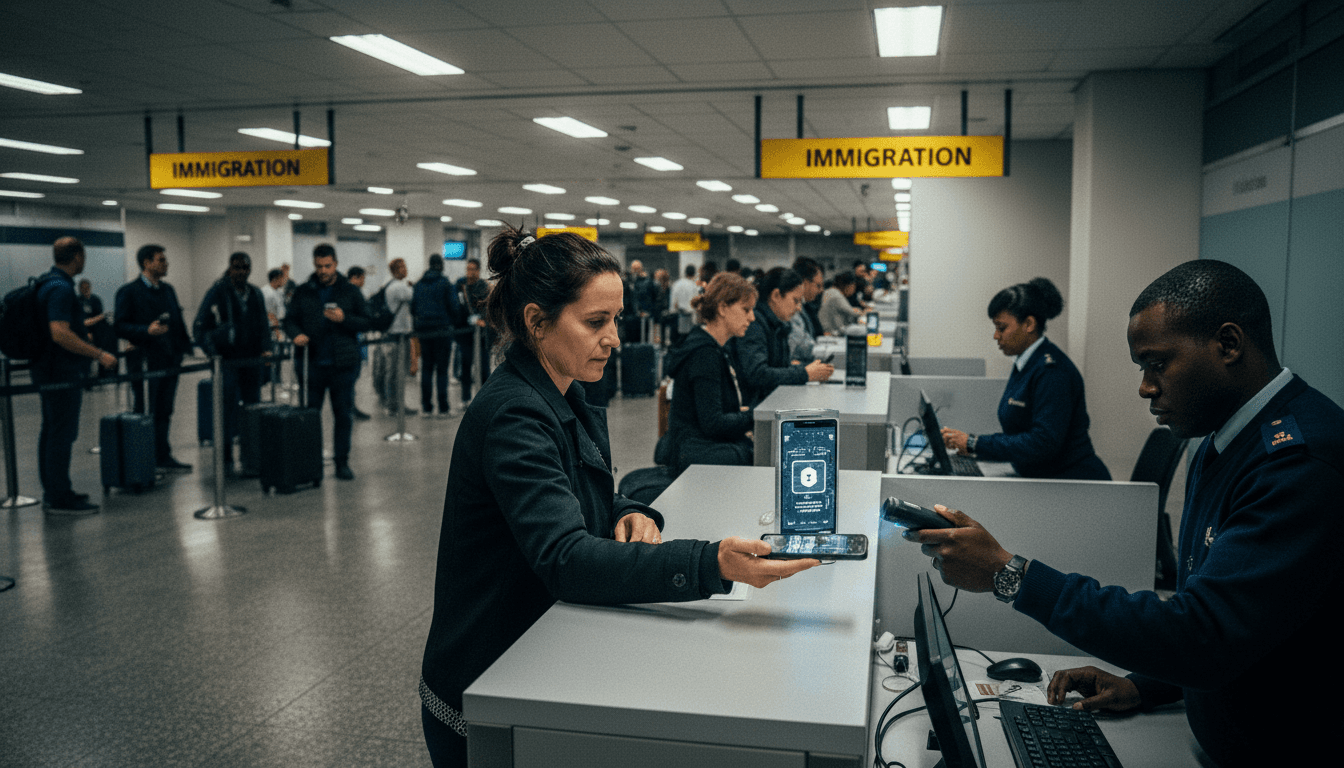
South Africa Digital IDs are set to dramatically reshape the landscape for international travellers, ushering in a new era of efficiency and security for passport and visa processes. As of April 10, 2026, the nation is moving decisively towards integrating digital identification into its immigration framework, a development that promises to streamline entry for tourists and business visitors alike, while also enhancing border control measures. This pivotal shift, highlighted by East Coast Radio, signals South Africa’s commitment to modernizing its travel infrastructure in line with global digital trends.
The Digital Transition: Who, What, and When
The core of this significant policy change revolves around the introduction of digital IDs for passport and visa applications. While specific details on the implementation phases and exact digital platforms are anticipated, the announcement by Danny Guselli on April 9, 2026, indicates a clear trajectory. This initiative will likely involve a digital verification system, potentially reducing the need for extensive physical documentation and in-person appointments for certain categories of travellers. The move is expected to primarily impact individuals applying for South African visas and those seeking to renew or obtain South African passports, making the process more accessible and less time-consuming. The immediate effect will be on how travellers prepare for their journeys, necessitating an understanding of the new digital requirements.
Impact Analysis: A New Era for Travel & Tourism
The adoption of digital IDs holds profound implications for South Africa’s vital travel and tourism sector. For international visitors, the promise of expedited visa processing and smoother border experiences could significantly boost appeal. Reduced bureaucratic hurdles often translate to increased visitor numbers, as potential travellers are less deterred by complex entry requirements. This could position South Africa as a more attractive destination, particularly for short-stay tourists and business delegates who value efficiency. Furthermore, enhanced security features inherent in digital identification systems could bolster traveller confidence, knowing that their data and national borders are better protected. Airlines, tour operators, and accommodation providers will need to adapt, potentially integrating new verification protocols into their booking and check-in processes. This evolution aligns with broader global trends where countries are increasingly leveraging technology to manage international movement more effectively. Related travel & tourism articles have frequently highlighted the growing demand for seamless digital experiences from modern travellers.
“The integration of digital IDs is not just a technological upgrade; it’s a strategic investment in South Africa’s future as a competitive global tourism destination, promising both efficiency and enhanced security.”
However, the transition will not be without its challenges. Ensuring equitable access to digital systems, particularly for travellers from regions with varying technological infrastructure, will be crucial. Public awareness campaigns and clear communication from the Department of Home Affairs will be essential to manage expectations and guide applicants through the new procedures. The success of this initiative will largely depend on the robustness of the digital platforms, the training of immigration officials, and the international interoperability of these new South Africa Digital IDs.
Context & Background: Modernizing South Africa’s Borders
South Africa has long grappled with the balance between welcoming international visitors and maintaining secure borders. Previous iterations of visa regulations have sometimes been met with mixed reactions from the tourism industry, with calls for more streamlined processes. This push for digital IDs is a logical progression, reflecting a global trend towards paperless travel and identity management. Many developed nations have already embarked on similar digital transformations, recognizing the benefits in terms of data accuracy, fraud prevention, and operational efficiency. The COVID-19 pandemic further accelerated the demand for touchless and digitally verifiable travel documents, pushing governments worldwide to fast-track their digital strategies. This initiative places South Africa firmly within this vanguard of modernizing national identity and border control systems, aiming to enhance both security and visitor experience through South Africa Digital IDs.
What’s Next: Implementation and Adaptation
The immediate future will see the South African government providing more detailed guidelines on how travellers can apply for and utilize these new digital IDs. This will likely involve dedicated online portals, secure mobile applications, and updated information for embassies and consulates worldwide. The private sector, particularly the travel industry, will play a critical role in disseminating this information and adapting their services. Training for travel agents and immigration consultants will be vital to ensure they can advise clients accurately. Furthermore, ongoing evaluation and iterative improvements to the digital systems will be necessary to address any unforeseen challenges and ensure the long-term success of the program. Stakeholders will be closely watching for announcements regarding pilot programs and the full rollout schedule, eager to understand the practical implications for inbound and outbound travel alike. This move towards South Africa Digital IDs is a long-term commitment.
Key Takeaway: A Digital Leap for South African Travel
The introduction of South Africa Digital IDs represents a significant leap forward in the nation’s approach to international travel. By embracing digital identification for passports and visas, South Africa is not only modernizing its administrative processes but also signaling a commitment to a more efficient, secure, and traveller-friendly future. While the transition will require careful management and clear communication, the potential benefits for the travel and tourism industry, as well as for national security, are substantial. This development underscores the ongoing global shift towards digital transformation in travel, positioning South Africa to capitalize on the opportunities presented by a digitally-empowered world. For more insights into how technology is reshaping global travel, explore our archive of travel & tourism articles.