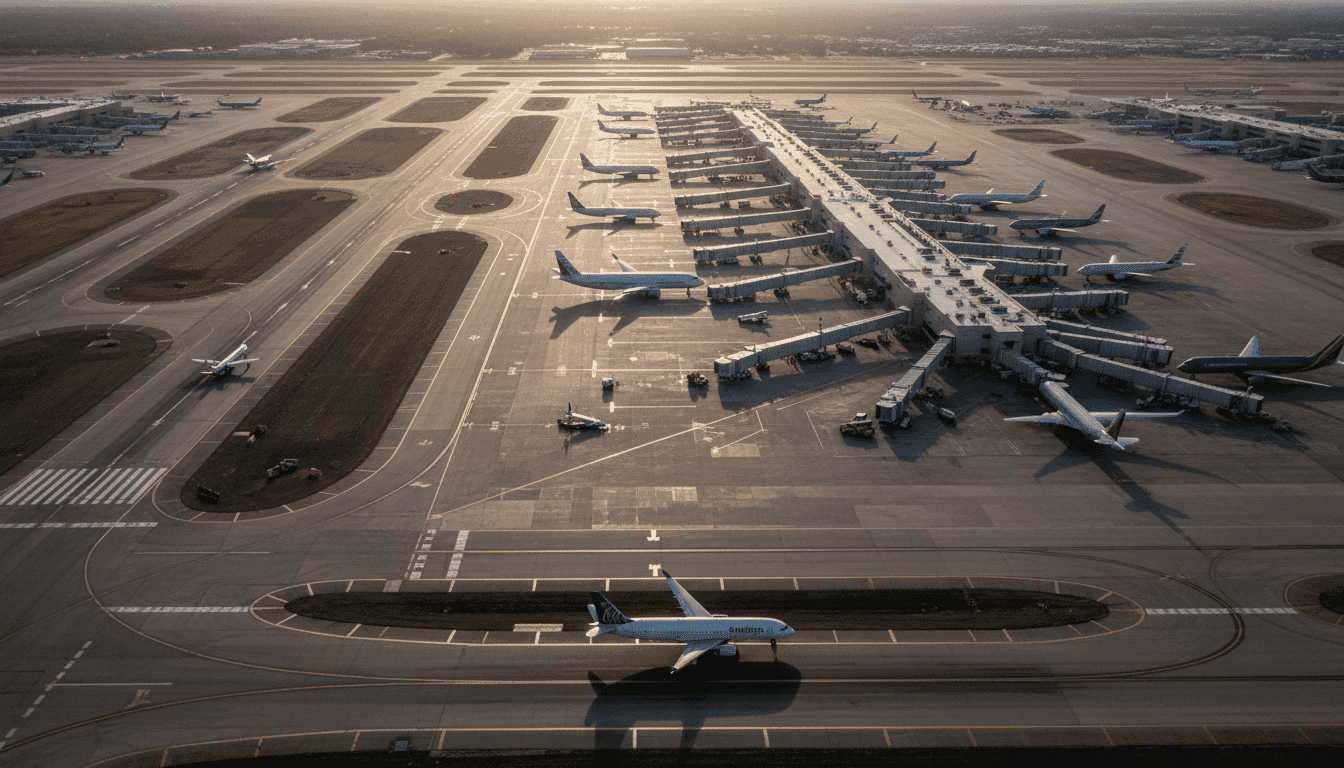
When Spirit Airlines folds, San Antonio International Airport faces unprecedented changes, fundamentally altering the travel landscape for millions of passengers and regional tourism stakeholders. The cessation of operations by the ultra-low-cost carrier, confirmed on Tuesday, May 5, 2026, marks a significant shift in air travel options and competitive dynamics at SAT.
The Story: Spirit’s Departure and San Antonio’s Response
The news of Spirit Airlines ceasing operations reverberated through the aviation industry, with San Antonio International Airport (SAT) immediately assessing the fallout. Spirit Airlines has been a notable presence at SAT, offering budget-friendly fares and connecting San Antonio to various destinations, particularly catering to leisure travelers and those seeking economical travel options. Its departure leaves a void in the market, prompting questions about capacity, pricing, and new opportunities for other carriers.
Airport authorities at SAT are expected to rapidly engage with other airlines to backfill routes and capacity previously served by Spirit. This transition period will be crucial for maintaining connectivity and minimizing disruption for travelers. The immediate impact will likely be felt in ticket prices on routes where Spirit was a primary low-cost competitor, potentially leading to an uptick as remaining airlines face less direct price pressure. Furthermore, the allocation of gates and slots previously used by Spirit will become a strategic asset for SAT in attracting new or expanded services.
Impact Analysis: Broader Travel & Tourism Landscape
The folding of Spirit Airlines extends beyond San Antonio, signaling broader challenges and shifts within the ultra-low-cost carrier (ULCC) segment of the aviation industry. This event could trigger a reassessment of business models for other ULCCs, particularly concerning fuel costs, labor relations, and competitive pricing strategies. For the broader travel and tourism sector, fewer ULCC options could mean a return to higher average airfares, potentially impacting discretionary travel and budget-conscious tourism segments. Destinations like San Antonio, which rely on accessible air travel to attract visitors, will be closely monitoring how their connectivity evolves.
The competitive vacuum created by Spirit’s exit presents both challenges and opportunities. Established legacy carriers might expand their presence on former Spirit routes, albeit likely at higher price points. Alternatively, smaller, regional airlines or other ULCCs might seize the opportunity to grow their networks, albeit cautiously, given the economic pressures that led to Spirit’s demise. The situation at San Antonio International Airport after Spirit Airlines folds will be a case study for how airports and the industry adapt to such significant market contractions.
“The cessation of operations by a major low-cost carrier like Spirit creates a ripple effect, forcing a re-evaluation of market strategies for airports and airlines alike. It’s a critical moment for re-shaping competitive landscapes and passenger expectations.”
The implications for travel agencies and online travel aggregators are also significant. They will need to update their offerings, adjust pricing models, and guide customers through the altered landscape of available flights and carriers. This could lead to a temporary period of uncertainty for consumers accustomed to Spirit’s specific routes and pricing.
Context & Background: A Shifting Aviation Climate
The folding of Spirit Airlines is not an isolated incident but rather indicative of a challenging operating environment for airlines. Factors such as volatile fuel prices, increasing labor costs, and intense competition have squeezed profit margins, particularly for carriers reliant on high-volume, low-fare models. The post-pandemic travel surge, while robust, has also brought operational complexities, including air traffic control limitations and staffing shortages, further pressuring airlines.
Historically, the aviation industry has seen cycles of consolidation and market entry. The rise of ULCCs like Spirit revolutionized air travel by making it more accessible to a wider demographic. However, their business model, which often involves unbundling services and charging for extras, has also faced scrutiny and evolving consumer preferences. The San Antonio International Airport after Spirit Airlines folds will be a testament to the resilience and adaptability of air travel infrastructure.
What’s Next: Future Implications and Decisions
For San Antonio International Airport, the immediate priority will be to mitigate the loss of Spirit’s services. This will involve aggressive negotiations with other airlines to take over routes and add capacity. Travelers can expect a period of adjustment, with potential changes in flight schedules, available destinations, and pricing. It is plausible that some routes previously served by Spirit may temporarily see reduced frequency or even be discontinued if other carriers do not find them economically viable in the short term.
Looking ahead, the long-term impact on San Antonio’s tourism economy will depend on how effectively SAT can attract new services. The airport’s strategic importance as a gateway to South Texas will likely ensure continued interest from airlines, but the competitive landscape will certainly shift. Decisions regarding airport infrastructure development and incentive programs for new carriers will become even more critical in the coming months.
For the wider industry, Spirit’s collapse serves as a stark reminder of the financial fragility within the airline sector, even for seemingly robust players. It may accelerate consolidation or prompt innovative new business models to emerge. Related travel & tourism articles have previously highlighted the pressures on carriers.
Key Takeaway: Adapting to a New Normal
The unfolding situation at San Antonio International Airport after Spirit Airlines folds underscores the dynamic and often unpredictable nature of the travel and tourism industry. While Spirit’s departure will undoubtedly create immediate challenges for travelers and the airport, it also presents an opportunity for recalibration and the emergence of new market dynamics. Stakeholders, from airport management to travel consumers, must adapt to this new normal, which could see a reshaping of air travel options and pricing structures for the foreseeable future. The event will serve as a crucial test of resilience and strategic agility for the entire sector.