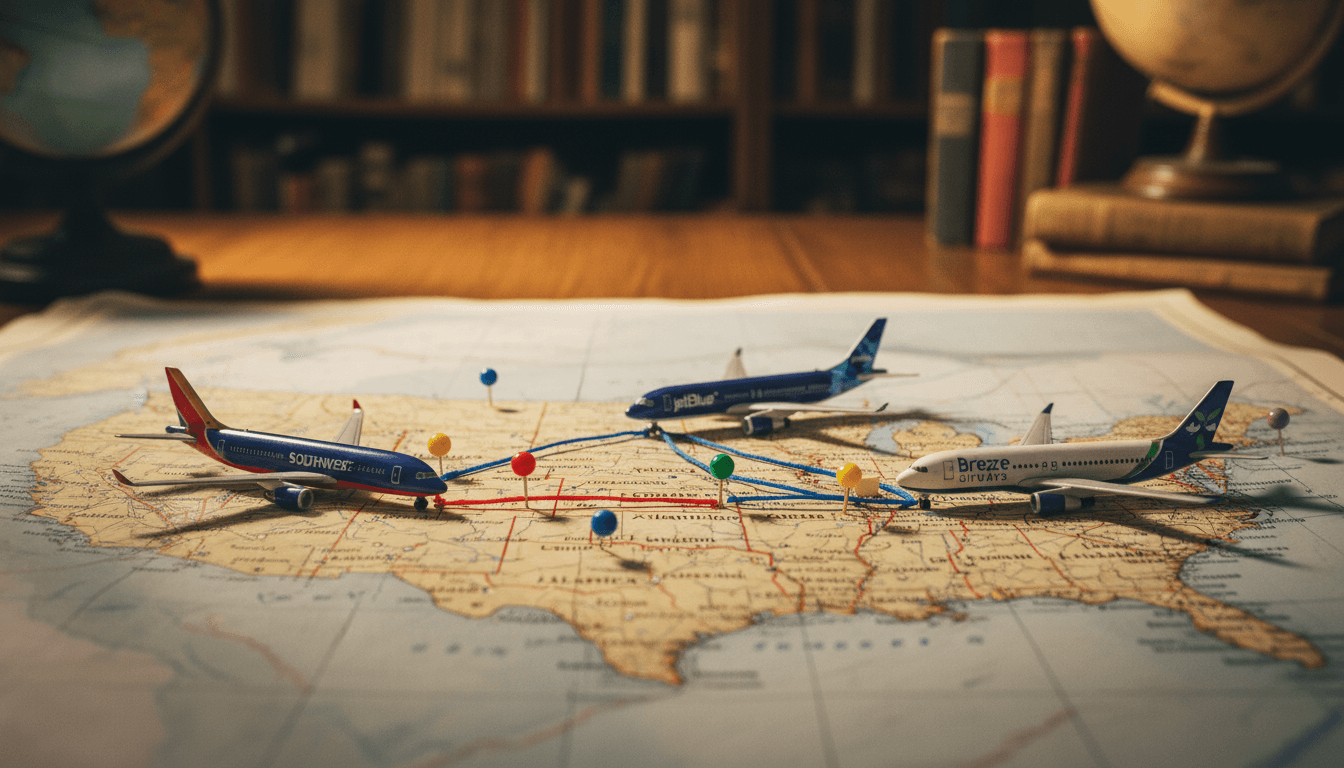
Las Vegas sees massive airline expansion following aggressive growth campaigns by Southwest, JetBlue, and Breeze, mirroring similar strategic moves in other key U.S. vacation markets such as Orlando, Fort Lauderdale, Atlantic City, and Hawaii. This significant post-Spirit airline expansion, announced on Monday, May 11, 2026, signals a robust re-orientation of leisure travel networks across the United States, targeting high-demand tourist destinations.
The core of this strategic shift involves three prominent carriers – Southwest Airlines, JetBlue Airways, and Breeze Airways – each committing to an aggressive tourism and leisure travel growth campaign. Their collective focus on these prime vacation markets indicates a calculated effort to capitalize on sustained consumer demand for leisure travel, particularly in destinations known for their entertainment, beaches, and resort experiences. The expansion is not merely an increase in capacity but a concerted effort to establish stronger competitive positions in these lucrative corridors, potentially reshaping the landscape of domestic air travel for years to come.
Impact Analysis: Realigning Leisure Travel Networks
This coordinated expansion by Southwest, JetBlue, and Breeze is poised to significantly alter the competitive dynamics within the U.S. leisure travel sector. By targeting Las Vegas, Orlando, Fort Lauderdale, Atlantic City, and Hawaii, these airlines are directly challenging existing market structures and likely aiming to capture a larger share of the post-pandemic travel resurgence. The move suggests a strategic vacuum created by previous market shifts or a perceived opportunity for growth where demand outstrips current supply. For consumers, this could translate into increased flight options, potentially more competitive pricing, and enhanced connectivity to their favorite vacation spots.
The implications extend beyond just passenger numbers. Increased air traffic invariably boosts local economies in these tourism-dependent cities, impacting everything from hotel occupancy and restaurant revenue to ground transportation and attraction ticket sales. The investment by these airlines reflects a long-term bullish outlook on the sustained profitability of leisure travel, even amidst broader economic uncertainties. Related travel & tourism articles often highlight how airline route expansions are direct indicators of economic confidence in specific regions.
Las Vegas Sees Massive Airline Expansion
The decision to include Las Vegas in this aggressive expansion strategy is particularly noteworthy. As a global entertainment hub, Las Vegas attracts millions of visitors annually, making it a critical market for any airline focused on leisure travel. The influx of new and expanded services from Southwest, JetBlue, and Breeze will undoubtedly intensify competition at Harry Reid International Airport, offering travelers more choices and potentially better value for their journeys to the ‘Entertainment Capital of the World’. This focused growth campaign underscores the enduring appeal and economic resilience of destinations like Las Vegas in the post-pandemic travel landscape.
“This aggressive expansion by major carriers into key vacation markets like Las Vegas signifies a profound confidence in the resilience and growth potential of the U.S. leisure travel sector. It’s a clear signal of market recalibration following recent industry shifts.”
Context & Background: A Shifting Airline Landscape
This expansion arrives in the wake of significant changes within the airline industry, including the broader implications of post-Spirit market dynamics. Airlines are constantly adjusting their strategies to optimize routes, manage capacity, and respond to evolving passenger demand. The focus on leisure travel markets like Orlando, known for its theme parks, and Fort Lauderdale, a gateway to cruises and beaches, demonstrates a clear pivot towards high-yield tourist segments. Atlantic City and Hawaii, each with their unique attractions, further diversify the portfolio of targeted destinations, indicating a comprehensive strategy to dominate key vacation corridors. This strategic maneuvering is characteristic of a dynamic industry always seeking to maximize profitability and market share.
What’s Next: Future Implications and Market Watch
Looking ahead, the success of this aggressive tourism and leisure travel growth campaign will be closely monitored. The increased competition could pressure smaller carriers or those with less robust networks in these markets. Furthermore, the expansion could prompt other airlines to re-evaluate their own strategies, potentially leading to a ripple effect of route adjustments and capacity changes across the industry. Travelers can anticipate a period of dynamic fare adjustments and service enhancements as airlines vie for market dominance. Future decisions will likely hinge on passenger load factors, profitability metrics, and the overall health of the U.S. economy, particularly as it pertains to discretionary spending on travel. Further analysis of airline strategies will be essential to understanding the long-term impacts.
Key Takeaway: A New Era for Leisure Air Travel
The concerted effort by Southwest, JetBlue, and Breeze to aggressively expand their presence in Las Vegas, Orlando, Fort Lauderdale, Atlantic City, and Hawaii marks a pivotal moment for U.S. leisure air travel. This post-Spirit airline expansion is not just about adding flights; it represents a strategic realignment aimed at solidifying market positions in high-demand vacation destinations. For the travel and tourism sector, it heralds a new era of heightened competition, increased connectivity, and potentially greater accessibility for millions of travelers eager to explore the nation’s most iconic leisure spots. This development underscores the enduring vitality of the tourism industry and its critical role in the broader economic landscape.