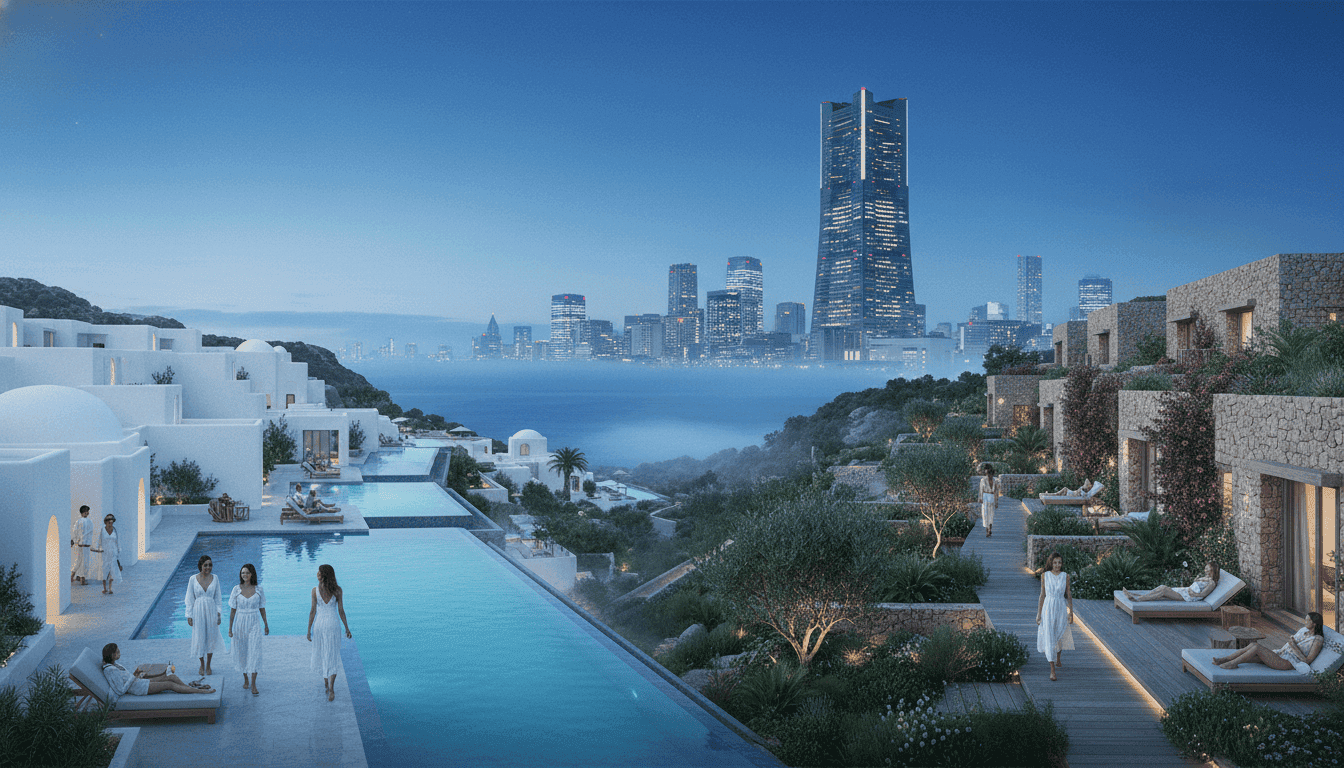
New luxury resorts in Rhodes, Sardinia, and Tokyo are significantly reshaping the global hotel landscape, marking a robust expansion in high-end hospitality. Announced on Sunday, May 3, 2026, these latest additions underscore a strategic focus by the global hotel scene on prime leisure and business destinations, signaling continued confidence in the luxury travel sector.
The Global Hotel Scene’s Latest Additions
The recent announcement details the introduction of several high-profile luxury resorts across three distinct and strategically important locations: the sun-drenched Greek island of Rhodes, the sophisticated Italian island of Sardinia, and the bustling metropolis of Tokyo, Japan. While specific developers and brand names were not detailed in the initial report, the collective impact of these simultaneous launches points to a coordinated effort within the luxury hospitality industry to capture diverse segments of affluent travelers.
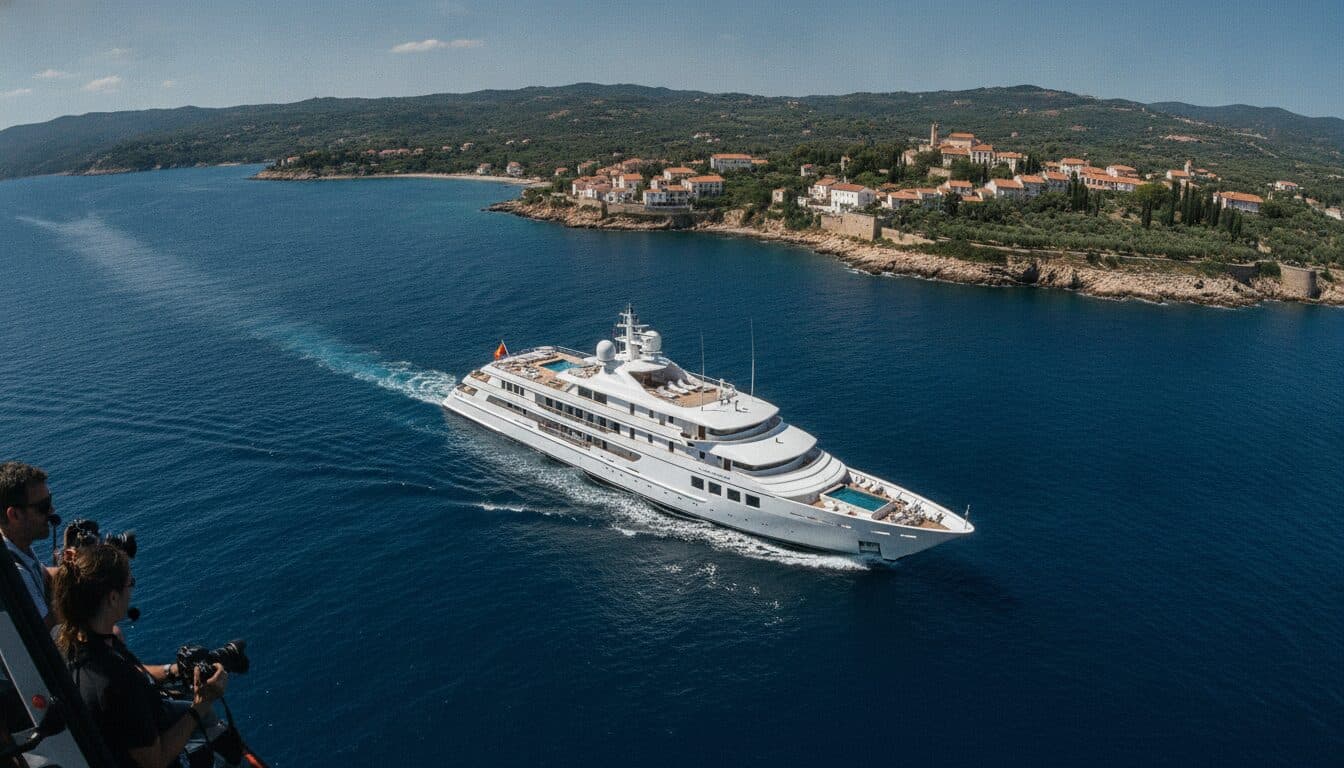
Rhodes, a perennial favorite in the Aegean, typically attracts those seeking rich history, stunning beaches, and Mediterranean charm. The addition of a new luxury resort here suggests an upgrade in the island’s accommodation offerings, aiming to draw a more discerning clientele and potentially extend its tourist season. Sardinia, known for its pristine coastlines, exclusive enclaves, and high-net-worth visitors, will likely see its new resort further solidify its reputation as a premier European luxury destination. Meanwhile, Tokyo, a global economic powerhouse and cultural hub, benefits from enhanced luxury lodging options that cater to both elite business travelers and affluent tourists exploring its unique blend of tradition and modernity.
Impact Analysis on Travel & Tourism
This expansion of luxury resorts carries substantial implications for the broader travel and tourism landscape. Firstly, it indicates a sustained appetite for high-end experiences among consumers, even amidst potential economic fluctuations. Investors are clearly confident in the long-term profitability of the luxury segment, channeling significant capital into these ambitious projects. For the destinations themselves, these new developments promise an influx of high-spending tourists, which can translate into increased local employment, infrastructure improvements, and higher tax revenues. This trickle-down effect can be transformative for local economies, particularly in regions heavily reliant on tourism.
“The strategic placement of these new luxury resorts in Rhodes, Sardinia, and Tokyo highlights a clear industry trend: a targeted investment in destinations that offer a compelling blend of natural beauty, cultural richness, and strong economic fundamentals. It’s a testament to the resilience and growth potential of the premium travel market.”
Furthermore, the increased competition among luxury properties can spur innovation in service offerings, amenities, and sustainable practices. Resorts will be compelled to differentiate themselves, potentially leading to enhanced guest experiences across the board. This could involve bespoke cultural excursions, advanced wellness facilities, or cutting-edge culinary experiences, all designed to attract and retain the affluent traveler. The move also signals a diversification of luxury offerings, moving beyond traditional hubs to embrace destinations that offer unique cultural and environmental appeal.
Context & Background
The timing of these openings on May 3, 2026, aligns with a broader industry trend of recovery and expansion following global disruptions. The luxury travel sector has consistently demonstrated its ability to rebound strongly, often leading the overall tourism recovery. Prior to this, destinations like Rhodes and Sardinia have seen continuous investment in upgrading their tourism infrastructure, from enhanced airport facilities to improved local transportation networks. Tokyo, having hosted major international events, has been on a trajectory of increasing its luxury accommodation capacity, anticipating continued growth in both inbound leisure and business travel.
Industry analysis has frequently pointed to a growing demand for experiential luxury – travelers seeking unique, authentic, and exclusive experiences rather than just opulent surroundings. These new resorts are likely designed to cater to this evolving demand, integrating local culture and environment into their offerings. The global hotel scene has been increasingly competitive, with major international brands and independent boutique operators vying for market share. This latest wave of developments reflects a continued push towards creating distinctive properties that stand out in a crowded marketplace.
What’s Next for the Global Hotel Scene
Looking ahead, the success of these new luxury resorts will be closely monitored as a barometer for future investment trends in the global hotel scene. Should these properties perform strongly, it is highly probable that similar developments will follow in other emerging and established luxury destinations. We can anticipate further announcements regarding specific brand affiliations, architectural details, and unique selling propositions for each resort. The focus will likely shift towards how these resorts integrate into their local environments, both economically and ecologically, and what new benchmarks they set for sustainable luxury tourism. Decisions regarding further expansion by the implicated hospitality groups will hinge on initial occupancy rates, guest satisfaction, and profitability metrics from these new ventures.
Key Takeaway
The introduction of new luxury resorts in Rhodes, Sardinia, and Tokyo on May 3, 2026, is more than just an expansion of hotel inventory; it represents a significant vote of confidence in the enduring strength and growth potential of the high-end travel market. It highlights a strategic pivot towards diversifying luxury offerings across geographically varied and culturally rich destinations, reinforcing the industry’s commitment to catering to an increasingly sophisticated global traveler. This development will undoubtedly set new standards for luxury hospitality and influence future investment decisions across the sector.