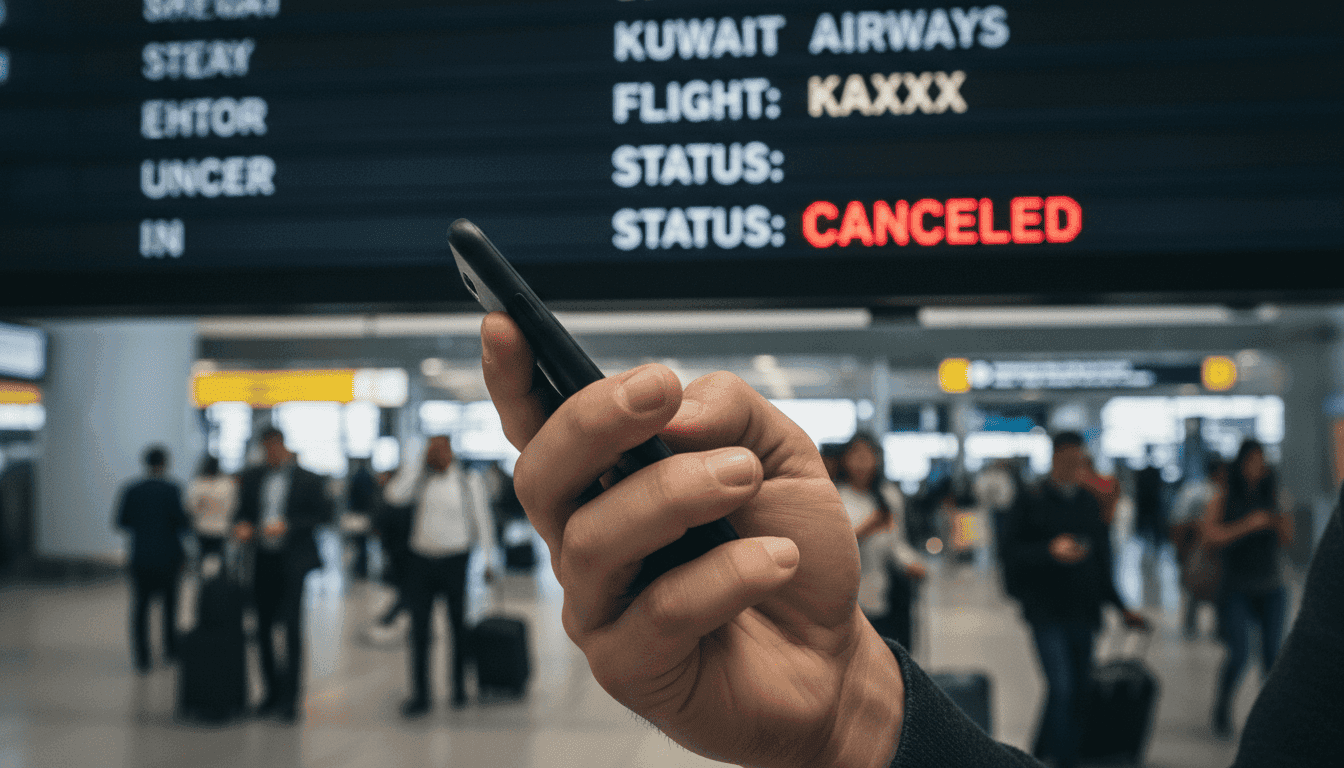
A Kuwait Airways flight cancellation has created immediate disruption for an unspecified number of travelers, prompting the airline to outline clear procedures for refunds, rebooking, and alternative arrangements. The incident, reported on Thursday, April 30, 2026, highlights the persistent challenges airlines face in maintaining operational consistency and the critical importance of effective customer communication in such scenarios. Passengers impacted by this latest disruption are being directed to specific channels for assistance, underscoring the airline’s effort to mitigate the fallout.
The Story: Operational Disruption and Passenger Guidance
While the specific flight number, origin, and destination of the affected Kuwait Airways service remain undisclosed in the initial report, the core issue revolves around a singular flight cancellation. This event has necessitated the airline to activate its protocols for managing passenger inconvenience. The Wego Travel Blog, in its report dated April 30, 2026, details the immediate steps passengers should take. These include seeking full refunds for their tickets, exploring options for rebooking on alternative flights, or inquiring about other potential solutions offered by Kuwait Airways. The emphasis is on empowering affected individuals with actionable information to navigate the unexpected change to their travel plans.
Impact Analysis
The ripple effects of a Kuwait Airways flight cancellation extend beyond the immediate inconvenience to passengers. For the broader travel and tourism landscape, such events underscore the inherent volatility of air travel. Airlines, regardless of their size or operational history, are susceptible to disruptions stemming from a multitude of factors, including technical issues, weather, air traffic control restrictions, or even unforeseen geopolitical events. Each cancellation, even if isolated, contributes to the overall perception of reliability within the industry. Airlines that handle these situations with transparency and efficiency often fare better in maintaining customer trust and brand reputation. This incident serves as a reminder for all industry stakeholders – from tour operators to hotel chains – of the necessity for flexible booking policies and robust contingency plans. Related travel & tourism articles frequently discuss the economic impact of such disruptions, especially on business travel and planned leisure trips.
“Effective communication and clear, actionable guidance are paramount when flight disruptions occur. They are critical not only for passenger satisfaction but also for an airline’s long-term reputation in a highly competitive market.”
Furthermore, the incident implicitly stresses the role of travel platforms and blogs like Wego in disseminating crucial information to travelers. In times of crisis, these independent channels often become primary sources for passengers seeking clarity and advice beyond official airline statements.
Context & Background: Navigating Industry Volatility
Flight cancellations are an unfortunate but integral part of the aviation industry’s operational reality. Historically, airlines have faced challenges ranging from maintenance issues and crew shortages to more systemic problems like global pandemics, which saw unprecedented numbers of flights grounded. Prior to this Kuwait Airways flight cancellation, the industry has spent years refining its response mechanisms, driven by regulatory pressures and consumer expectations. Airlines are increasingly leveraging digital platforms to communicate changes and offer self-service options for rebooking and refunds, moving away from solely relying on airport counters. Industry trends also show a growing demand for travel insurance and flexible fare options, precisely because travelers are acutely aware of the potential for disruptions. This incident, while specific to Kuwait Airways, reflects a universal challenge within air travel: balancing operational efficiency with passenger experience.
What’s Next: Upholding Passenger Rights
For passengers affected by the recent Kuwait Airways flight cancellation, the immediate future involves engaging with the airline’s stated procedures for resolution. The airline’s commitment to offering refunds and rebooking options will be crucial in determining the overall satisfaction of its customers. Looking ahead, the broader implications for Kuwait Airways might include a review of the circumstances leading to the cancellation to prevent recurrence. For the industry at large, incidents like these continually reinforce the importance of robust operational resilience and transparent customer service. Future decisions by airlines will likely continue to focus on technological advancements to predict and mitigate disruptions, alongside enhanced communication strategies. The demand for clear, concise information during travel disruptions is unlikely to wane, putting pressure on all carriers to meet these expectations.
Key Takeaway: The Imperative of Preparedness
The Kuwait Airways flight cancellation serves as a potent reminder of the inherent unpredictability of air travel and the critical need for both airlines and passengers to be prepared for unforeseen circumstances. For carriers, it underscores the imperative of robust operational protocols, transparent communication, and efficient customer service mechanisms to mitigate the impact of disruptions. For travelers, it highlights the importance of understanding their rights, utilizing available resources, and considering flexible booking options or travel insurance. In an interconnected global travel landscape, the ability to manage and respond effectively to such events is not just a matter of operational efficiency, but a cornerstone of maintaining consumer confidence and the overall health of the tourism sector. Further insights into airline operational challenges are regularly discussed within our industry coverage.