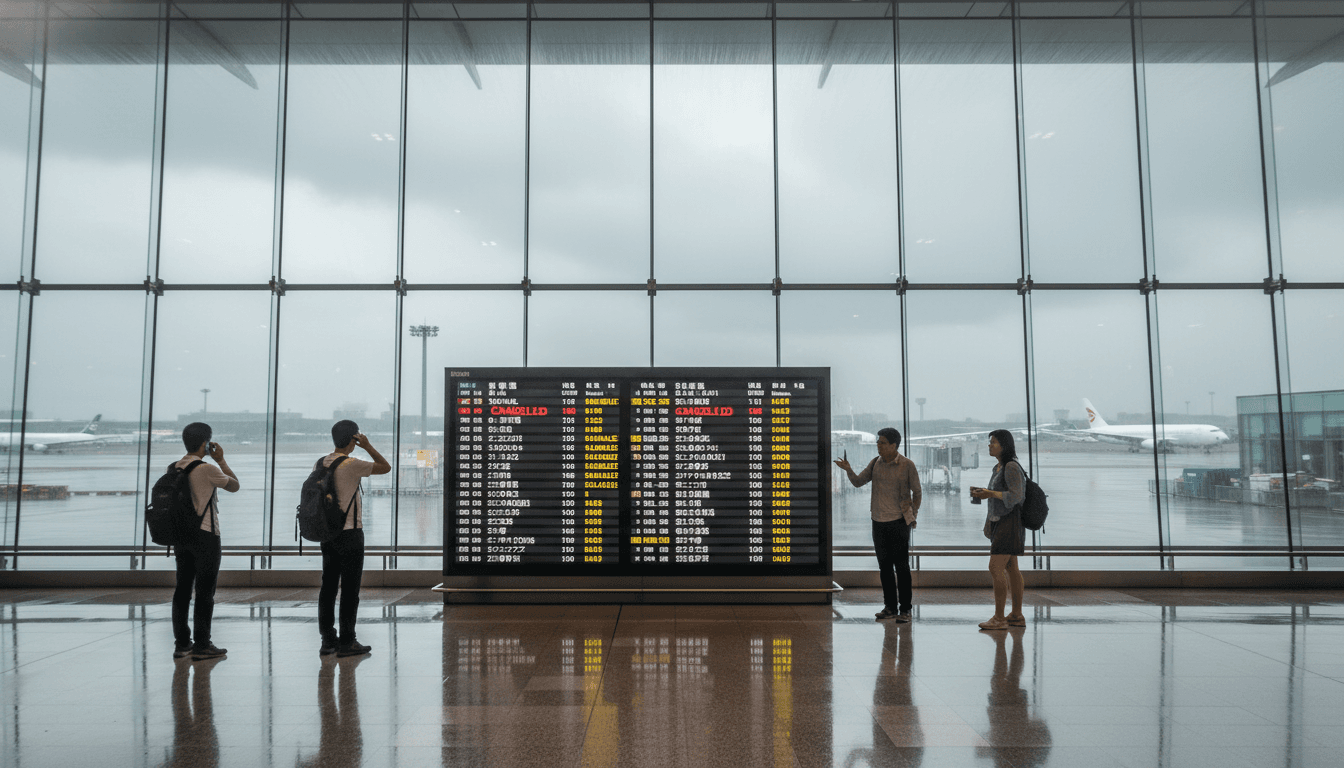
Typhoon Jangmi triggers Japan and Taiwan travel disruptions, leading to widespread flight cancellations and heavy rain warnings across crucial tourism routes as of Monday, June 1, 2026. The intensifying weather system is currently impacting key travel corridors, forcing airlines and local authorities to implement precautionary measures that are significantly altering travel plans for thousands of visitors and residents alike.
The developing situation involves Typhoon Jangmi, which is directly responsible for the escalating travel challenges across the East Asian region. Airlines operating flights to and from major hubs in Japan and Taiwan have announced numerous cancellations, with specific routes particularly vulnerable to the typhoon’s trajectory. Travelers planning to visit these popular destinations are being advised to closely monitor weather updates and airline announcements. The heavy rain warnings accompanying Jangmi’s approach suggest potential for flash flooding and landslides, further complicating ground transportation and overall accessibility in affected areas.
Impact Analysis on Tourism Routes
The immediate impact of Typhoon Jangmi extends beyond mere flight delays, deeply affecting the broader travel and tourism landscape in Japan and Taiwan. Both nations are premier destinations, drawing millions of international tourists annually, particularly during peak seasons. This disruption comes at a critical time, potentially leading to significant economic repercussions for the hospitality sector, tour operators, and local businesses dependent on tourist traffic. Hotels face cancellations, and popular attractions may see reduced visitor numbers or temporary closures due to safety concerns. The ripple effect on regional supply chains, especially those reliant on air freight, is also a growing concern for businesses.
“The sheer scale of flight cancellations due to Typhoon Jangmi underscores the vulnerability of the travel industry to extreme weather events. Airlines and tourism boards are now scrambling to manage the fallout, prioritize traveler safety, and mitigate economic losses,”
This event highlights the increasing need for robust contingency planning within the travel sector. For destinations like Japan and Taiwan, which are susceptible to typhoons, proactive communication strategies and flexible booking policies become paramount. Related travel & tourism articles often discuss how such disruptions test the resilience of destination management organizations and their ability to pivot during crises. The current situation serves as a stark reminder of the financial and logistical challenges posed by natural disasters to global tourism.
Historical Context and Industry Trends
Typhoons are a recurring feature of the East Asian climate, and while predictable to some extent, their intensity and precise paths can vary, leading to significant challenges. Japan and Taiwan have well-established protocols for managing natural disasters, but the scale of travel disruption caused by Typhoon Jangmi still presents a considerable test. In recent years, the travel industry has seen an increased focus on sustainable tourism and risk management, partly in response to growing climate-related incidents. This event will likely prompt further discussions on how climate change might influence future travel patterns and infrastructure development in vulnerable regions. Airlines, in particular, are under pressure to balance operational efficiency with passenger safety during these events, often incurring substantial costs from flight cancellations and re-routing.
What’s Next for Travelers and Tourism?
As Typhoon Jangmi continues its trajectory, the immediate future will involve continued monitoring of weather patterns and ongoing adjustments to travel schedules. Travelers with existing bookings for Japan or Taiwan in the coming days are strongly advised to contact their airlines and accommodation providers directly for the most up-to-date information. Airlines will prioritize rebooking affected passengers, but availability may be limited, leading to extended delays. For the tourism sector, the focus will shift towards recovery and reassuring future travelers. Marketing efforts may need to emphasize the swift return to normalcy and the safety measures in place. Decisions regarding financial compensation for cancelled tours or flights will also be a key area of attention for consumers and industry stakeholders.
The key takeaway from the current situation is the critical importance of preparedness and adaptability in the face of natural events for the global travel and tourism industry. While Typhoon Jangmi triggers Japan and Taiwan travel disruptions now, the lessons learned from this event will undoubtedly inform future strategies for managing similar challenges worldwide. The ability of destinations to recover quickly and communicate effectively will be crucial in maintaining their appeal to international visitors and ensuring the long-term health of their tourism economies. This event underscores that even with advanced meteorological technology, the human element of travel planning and resilience remains paramount in navigating the unpredictable forces of nature. Industry insights often highlight that effective crisis communication is as vital as operational efficiency in mitigating the negative perceptions that can arise from such widespread disruptions.