Indonesia long weekend travel shift has significantly boosted regional tourism destinations, rerouting domestic holidaymakers away from traditional hotspots and towards emerging local attractions. This strategic reallocation of travel patterns, observed leading up to Tuesday, May 19, 2026, indicates a maturing domestic tourism market and a growing preference for diverse, localized experiences among Indonesian travelers.
The Story: A New Direction for Domestic Tourism
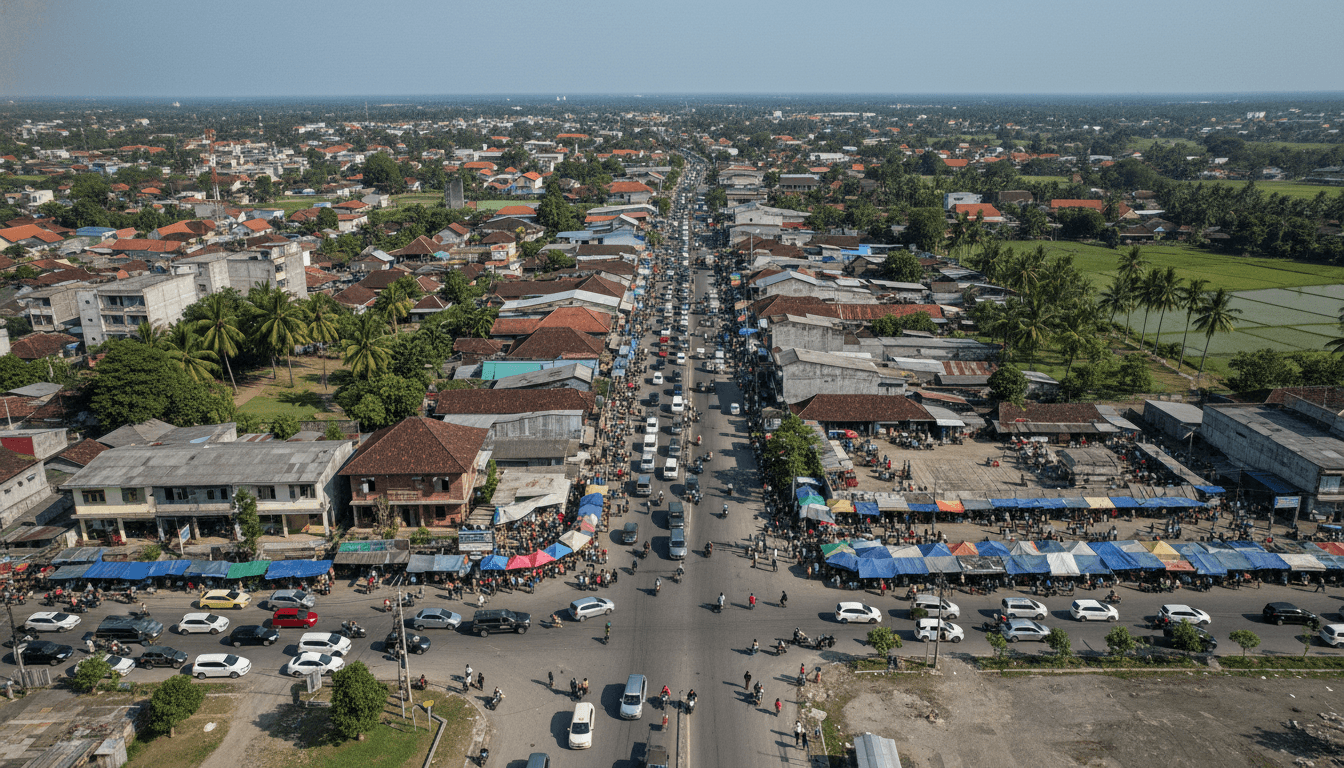
The recent long weekend in Indonesia saw a notable shift in travel behavior among its citizens. Traditionally, major urban centers or well-established tourist hubs would experience an overwhelming influx of visitors during such periods. However, the data from this particular long weekend, culminating on May 19, 2026, reveals a distinct pivot: an increased concentration of domestic tourists in regional destinations. This dispersal of travelers has provided a much-needed economic stimulus to smaller towns and less-frequented areas, fostering growth beyond the usual tourism circuits. The phenomenon suggests that Indonesian travelers are increasingly seeking out authentic local experiences, cultural immersion, and nature-based retreats that regional destinations often provide.
Impact Analysis
This shift in travel patterns carries significant implications for Indonesia’s broader travel and tourism landscape. For regional economies, the boost in visitor numbers translates directly into increased revenue for local businesses, from hotels and guesthouses to restaurants, souvenir shops, and local transport providers. It also supports job creation and encourages investment in infrastructure and amenities in these areas, which historically may have been overlooked. For the national tourism industry, this decentralization helps to alleviate over-tourism pressures on popular sites, promoting more sustainable development across the archipelago. It also diversifies Indonesia’s tourism product, making it more resilient to external shocks and appealing to a wider range of domestic and, potentially, international visitors in the future.
“The strategic decentralization of domestic tourism is vital for equitable economic development and the long-term sustainability of Indonesia’s diverse attractions,” an industry analyst noted.
Furthermore, the trend of Indonesia long weekend travel shift highlights a growing sophistication in the domestic market. Travelers are no longer content with just visiting iconic landmarks; they are actively seeking out unique experiences, often driven by social media trends and a desire for personalized journeys. This pushes regional destinations to innovate and curate distinctive offerings that cater to these evolving demands.
Context & Background
Indonesia, with its vast archipelago and diverse cultural tapestry, has always been a significant player in the global tourism arena. However, much of its tourism infrastructure and marketing efforts have historically concentrated on a few major destinations like Bali, Jakarta, and Yogyakarta. The government has, in recent years, been working to promote ’10 New Balis’ – an initiative aimed at developing emerging destinations to spread the economic benefits of tourism more broadly. The observed Indonesia long weekend travel shift aligns perfectly with these national strategies, demonstrating a tangible return on investment for efforts to develop regional tourism. Previous long weekends often saw predictable traffic jams and fully booked accommodations in established areas, leading to discussions about equitable distribution of tourism benefits and environmental impact. This new pattern offers a potential solution to these perennial challenges.
What’s Next: Sustaining the Momentum
The positive outcomes from this long weekend’s travel patterns present an opportunity for sustained growth in regional tourism. Future implications include continued investment in regional infrastructure, enhanced digital promotion of lesser-known areas, and the development of tailored tourism packages that highlight unique local cultures and natural wonders. Policymakers and tourism boards will likely analyze this trend to formulate strategies that encourage more such shifts, possibly through targeted campaigns or incentives for travelers to explore beyond the usual. The success of this Indonesia long weekend travel shift could also inspire similar initiatives in other countries seeking to diversify their tourism offerings and achieve more balanced regional development. The focus will be on maintaining the authenticity of these regional spots while enhancing visitor experiences and ensuring local communities benefit directly.
Key Takeaway
The recent Indonesia long weekend travel shift is more than just a temporary blip; it signifies a fundamental evolution in domestic tourism within the archipelago. It underscores the potential for regional destinations to thrive, contributing to a more equitable and sustainable tourism ecosystem across Indonesia. This trend provides valuable insights for both public and private sector stakeholders on how to nurture and capitalize on the growing demand for diversified travel experiences, ultimately strengthening Indonesia’s position as a multifaceted global travel destination. The successful redirection of travelers towards regional hubs during this period, observed on May 19, 2026, serves as a powerful testament to the dynamic and adaptable nature of the Indonesian travel market, paving the way for a more distributed and robust tourism future. Further analysis will be crucial to understand the long-term impacts and how to best support this burgeoning sector.