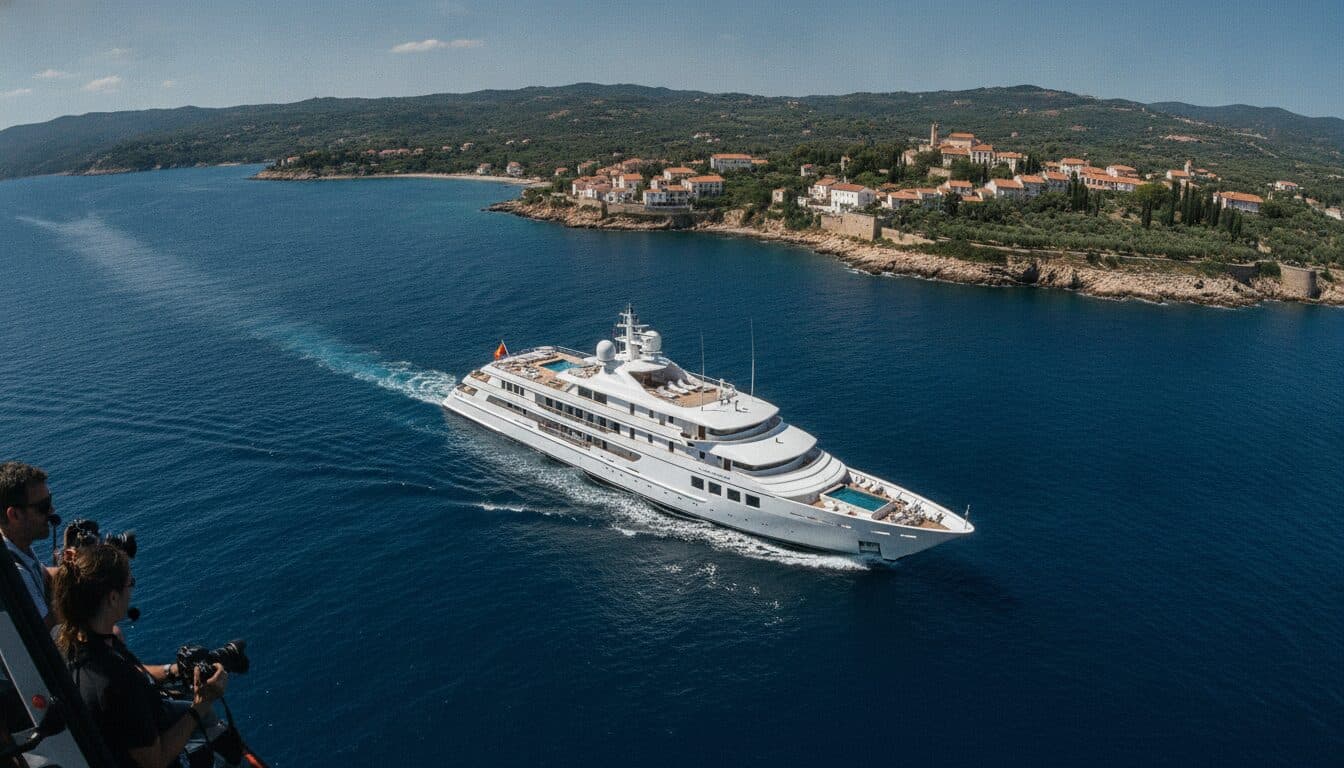
Dramatic cruise travel trends are poised to shape global voyaging in Fall 2026, with a new report from Travel And Tour World on Tuesday, April 7, 2026, highlighting critical shifts in smart booking tips, rising costs, and must-visit destinations. This comprehensive analysis provides crucial insights for both industry stakeholders and prospective passengers navigating the evolving landscape of cruise tourism.
The report underscores a confluence of factors influencing the cruise sector, from consumer behavior to economic pressures. Global voyagers are increasingly seeking value and unique experiences, prompting a re-evaluation of traditional booking strategies and destination choices. The emphasis on ‘smart booking tips’ suggests a growing sophistication among travelers, who are leveraging early bird discounts, flexible cancellation policies, and bundled packages to mitigate the impact of escalating prices.
Impact Analysis
The implications of these emerging cruise travel trends for the broader travel and tourism landscape are significant. Rising costs, a central theme in the report, are not unique to the cruise industry but reflect a wider inflationary environment affecting airfare, accommodation, and ground transportation. This trend could lead to a bifurcation in the market, with premium and luxury cruise segments potentially less impacted than budget-friendly options, or conversely, a surge in demand for all-inclusive cruise packages seen as better value against rising à la carte expenses elsewhere.
The focus on ‘must-visit destinations’ also signals a strategic shift by cruise lines to differentiate their offerings and capture new market segments. As traditional routes become saturated or less appealing, operators are exploring new itineraries that cater to specific interests, from cultural immersion to adventure tourism. This diversification is vital for sustained growth and resilience in a competitive market.
“The Fall 2026 outlook indicates a market where informed booking decisions are paramount, and cruise lines are adapting by curating unique experiences to maintain appeal amidst rising operational costs.”
Furthermore, the emphasis on ‘smart booking tips’ reflects a broader industry push towards empowering consumers with tools and information to make more advantageous travel decisions. This could lead to increased adoption of travel advisors, specialized booking platforms, and dynamic pricing models that reward early commitment or flexibility. Related travel & tourism articles have previously explored the growing importance of consumer education in navigating complex travel markets.
Context & Background
The current discussion around cruise travel trends for Fall 2026 builds upon several years of dynamic change within the sector. Following a period of unprecedented disruption, the cruise industry has demonstrated remarkable resilience, adapting to new health protocols, evolving consumer preferences, and geopolitical shifts. The increasing costs, while challenging, are partly a reflection of higher fuel prices, labor expenses, and investments in sustainable technologies and enhanced onboard experiences. This mirrors broader economic pressures felt across the entire global travel & tourism sector.
Historically, cruise travel has often been perceived as an all-inclusive, value-for-money option. However, the report’s emphasis on rising costs suggests that this perception is being tested. Cruise lines are balancing the need to maintain competitive pricing with the imperative to generate sufficient revenue to cover escalating operational expenses and invest in future growth. The ‘must-visit destinations’ aspect also harks back to a long-standing industry strategy of destination-led marketing, now refined to target specific niches and experiential travel preferences.
What’s Next for Cruise Travel Trends
Looking ahead, the cruise industry is likely to double down on personalization and sustainability. As smart booking tips become more sophisticated, so too will the data analytics employed by cruise lines to tailor offerings to individual travelers. Expect to see more dynamic pricing, AI-powered recommendation engines, and bespoke itinerary options. The rising costs will continue to drive innovation in operational efficiency and potentially lead to new pricing structures, such as tiered packages that allow for greater customization of inclusions.
The exploration of ‘must-visit destinations’ will undoubtedly expand into more off-the-beaten-path locations, as well as a renewed focus on immersive cultural experiences. Cruise lines will also face continued pressure to demonstrate their commitment to environmental stewardship, influencing everything from ship design to waste management. Regulatory changes and consumer demand for eco-friendly options will shape future investment and marketing strategies.
Key Takeaway
The Fall 2026 outlook for cruise travel trends underscores a critical juncture for the industry. While rising costs present a challenge, they are simultaneously catalyzing innovation in booking strategies and destination development. For global voyagers, the message is clear: informed decisions and strategic planning will be key to unlocking value. For the industry, adapting to these evolving dynamics through smart offerings and sustainable practices will be paramount to navigate the waters of an increasingly complex and competitive global travel market.