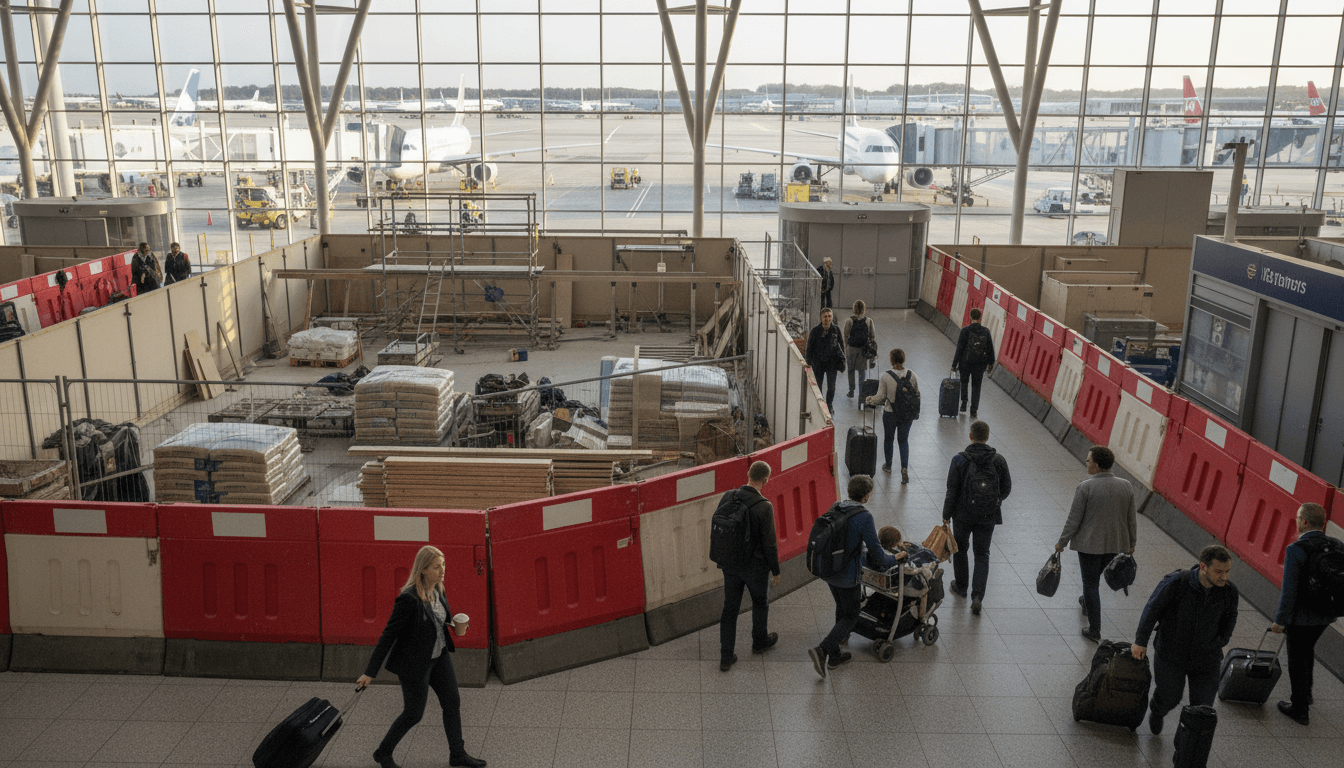
Airlines criticize delayed Heathrow terminal overhaul, a development that is escalating concerns over airport capacity, passenger delays, and the future trajectory of UK aviation expansion in the face of rising demand. This significant disruption at one of the world’s busiest airports, reported on Saturday, May 2, 2026, highlights the growing tension between airport infrastructure development and the operational needs of carriers.
The core of the issue stems from the prolonged delay in a crucial terminal overhaul project at Heathrow. While specific details regarding the exact terminal or the extent of the delay were not provided in the initial report, the criticism from airlines underscores a deep dissatisfaction with the pace of modernization. The implications are far-reaching, directly affecting the efficiency of airline operations, the passenger experience, and the strategic capacity planning for a post-pandemic travel boom that continues to test existing infrastructure.
Impact Analysis
The immediate impact of the delayed Heathrow terminal overhaul is multifaceted. For airlines, it translates into potential operational inefficiencies, including extended turnaround times for aircraft, increased fuel burn due to holding patterns, and the significant cost associated with schedule disruptions. Passenger delays are an inevitable consequence, leading to missed connections, frustrated travelers, and a potential decline in customer satisfaction – a critical metric in the competitive aviation industry. Furthermore, the delay directly impedes the airport’s ability to accommodate the rising demand for air travel, particularly as global tourism continues its robust recovery. This bottleneck at a major international hub like Heathrow has ripple effects across the entire UK aviation network and its global connectivity.
The broader travel and tourism landscape faces significant challenges. Heathrow’s capacity constraints not only affect direct flights to and from London but also impact its role as a key transit hub for long-haul international travel. This can deter airlines from launching new routes or increasing frequencies, thereby limiting consumer choice and potentially driving up airfares. The UK’s reputation as a global travel gateway could also be undermined if passenger experiences continue to be marred by delays and overcrowding. The situation could lead to airlines diverting services to other European hubs, impacting the economic contribution of aviation to the UK economy, from tourism revenue to business travel. Related travel & tourism articles have often highlighted the delicate balance between demand and infrastructure.
“The persistent delays in vital infrastructure projects at key hubs like Heathrow are not just an operational headache for airlines; they are a fundamental impediment to the UK’s global competitiveness in travel and tourism,” an industry analyst commented recently.
Context & Background
Heathrow Airport has historically grappled with capacity issues, often operating near its limits even before the recent surge in post-pandemic demand. Previous discussions and plans for expansion, including the contentious third runway project, have faced numerous regulatory, environmental, and political hurdles, leading to protracted timelines. This latest criticism regarding the delayed Heathrow terminal overhaul fits into a pattern of infrastructure development struggling to keep pace with the dynamic growth of the aviation sector. The industry has seen a rapid rebound in passenger numbers, exceeding many pre-pandemic forecasts, which has put immense pressure on existing facilities and highlighted the need for agile and timely infrastructure upgrades.
What’s Next
The coming months will likely see intensified negotiations and pressure from airline consortiums on Heathrow Airport management and potentially government bodies to accelerate the terminal overhaul project. Future implications could include airlines exploring alternative airports for expansion, or even a re-evaluation of long-term investment strategies in the UK. Decisions regarding funding, project management, and regulatory approvals will be critical in determining the timeline for resolving these disruptions. The focus will be on how Heathrow plans to mitigate current delays while ensuring future capacity meets projected demand, particularly ahead of peak travel seasons. The delayed Heathrow terminal overhaul remains a key concern.
Key Takeaway
The ongoing airlines criticize delayed Heathrow terminal overhaul situation is more than just an operational hiccup; it is a critical indicator of the broader challenges facing global aviation infrastructure. As demand for air travel continues to rise, the ability of major hubs to adapt and expand efficiently will be paramount. This situation underscores the urgent need for proactive, collaborative planning between airport authorities, airlines, and governmental bodies to ensure that infrastructure keeps pace with industry growth, safeguarding passenger experience and the economic vitality of the travel and tourism sector. The future of UK aviation expansion hinges on resolving these bottlenecks effectively and swiftly.