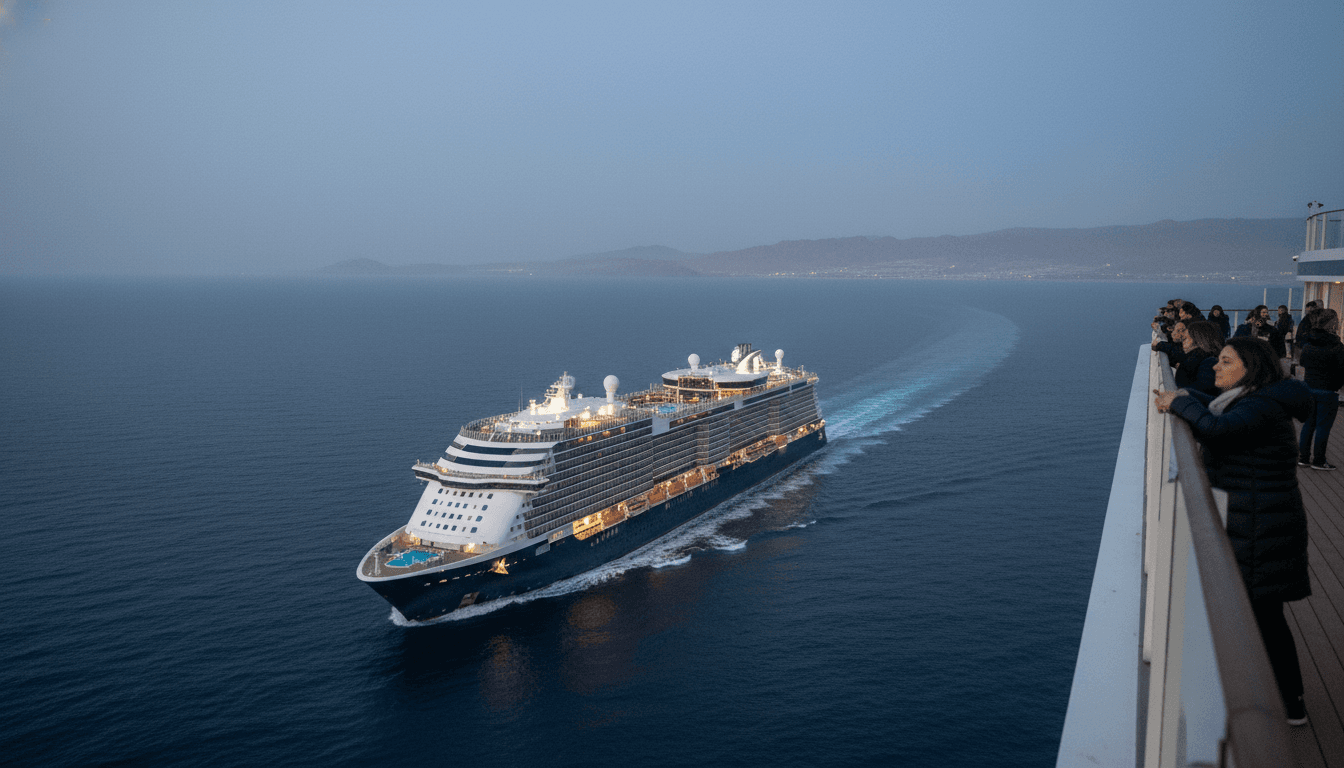
Cruise lines reroute international voyages amid West Asia tensions, significantly reshaping global tourism pathways and elevating passenger travel safety standards. This strategic shift, reported on Wednesday, May 6, 2026, by Travel And Tour World, underscores the profound impact of geopolitical instability on the multi-billion-dollar cruise industry, compelling operators to prioritize safety and adapt itineraries on an unprecedented scale.
The Rerouting Imperative: Who and What Happened
The core of this developing story involves major international cruise lines adjusting their routes away from the volatile West Asia region. While specific company names are not detailed in the source, the broad implication is that a significant segment of the global cruise fleet, particularly those with itineraries traversing critical maritime chokepoints in the Middle East, are affected. The primary driver for these reroutes is the escalating tensions in West Asia, which pose direct threats to maritime security. This has led to a re-evaluation of established shipping lanes and a proactive move to ensure the safety and security of passengers and crew.
The decision to reroute international voyages is not taken lightly, involving complex logistical challenges, significant financial implications, and extensive communication with passengers. It necessitates revising port calls, adjusting sailing times, and potentially altering the overall duration and experience of a voyage. For an industry built on predictable itineraries and curated experiences, such widespread changes represent a substantial operational undertaking.
Impact Analysis: Redefining Global Tourism Pathways
The rerouting of cruise itineraries has far-reaching consequences for the broader travel and tourism landscape. Firstly, it directly impacts the economies of port cities and nations in West Asia that rely on cruise tourism for revenue, employment, and local business. These destinations will experience a significant downturn in visitor numbers, affecting everything from local tour operators to souvenir vendors and hospitality services. Conversely, alternative destinations, perhaps in the Mediterranean, Africa, or even longer transoceanic routes, may see an uptick in traffic, creating new economic opportunities for them.
Secondly, it forces a re-evaluation of global tourism pathways. Operators will increasingly look for stable and secure regions, potentially accelerating a shift towards destinations perceived as safer. This could lead to a diversification of cruise offerings and the emergence of less traditional routes. The industry’s agility in responding to these geopolitical shifts demonstrates its commitment to passenger welfare but also highlights its vulnerability to external factors.
“The rerouting of international voyages underscores a fundamental shift in how the cruise industry navigates global risks, placing an undeniable premium on passenger safety over traditional itineraries.”
Furthermore, these changes affect consumer confidence. While passengers will appreciate the emphasis on safety, last-minute itinerary changes can be disruptive, leading to altered expectations and potential compensation claims. The industry will need to manage these expectations carefully, ensuring transparency and clear communication. For more insights on how geopolitical events shape travel, read our related travel & tourism articles.
Context & Background: A History of Adaptability
The cruise industry has a long history of adapting to global events, from natural disasters to economic downturns and previous geopolitical flashpoints. However, the current situation in West Asia presents a sustained challenge that impacts a critical maritime corridor. While the source does not provide specific historical examples, past disruptions have often led to temporary route changes or the cancellation of specific voyages. What distinguishes the current situation is the widespread nature of the reroutes and their potential to redefine long-term cruising patterns. This isn’t merely a temporary detour but a strategic recalibration.
Industry trends prior to these tensions were largely focused on expansion, sustainability, and diversifying passenger demographics. The current rerouting of international voyages introduces a new, dominant variable into these strategic considerations, forcing a pivot towards risk management and operational flexibility as primary concerns. The emphasis on passenger travel safety standards has always been paramount, but current events elevate it to an even higher priority.
What’s Next: Future Implications and Decisions
The immediate future will likely see cruise lines continuing to monitor the situation in West Asia closely, with further itinerary adjustments possible. Decisions will hinge on evolving geopolitical landscapes, intelligence assessments, and international maritime advisories. There will be ongoing discussions within the industry regarding how best to mitigate future risks and build more resilient route networks. This could involve greater collaboration between cruise lines, governments, and international security organizations.
Longer-term implications include potential investments in alternative port infrastructure, marketing campaigns to promote new destinations, and a re-evaluation of vessel deployment strategies. The industry might also explore technological solutions for enhanced real-time threat assessment and communication. Passengers planning future cruises will increasingly factor in geopolitical stability when choosing their destinations, pushing cruise lines to be more transparent about their risk assessment protocols and contingency plans.
Key Takeaway: The Enduring Priority of Safety
The decision by cruise lines reroute international voyages amid West Asia tensions unequivocally highlights the enduring priority of passenger travel safety standards above all else. This situation is a stark reminder that even in a globalized travel market, external geopolitical factors can dramatically alter operational realities. The cruise industry’s swift, coordinated response demonstrates its commitment to protecting its passengers and adapting to complex global challenges, ultimately redefining the pathways of global tourism for years to come.