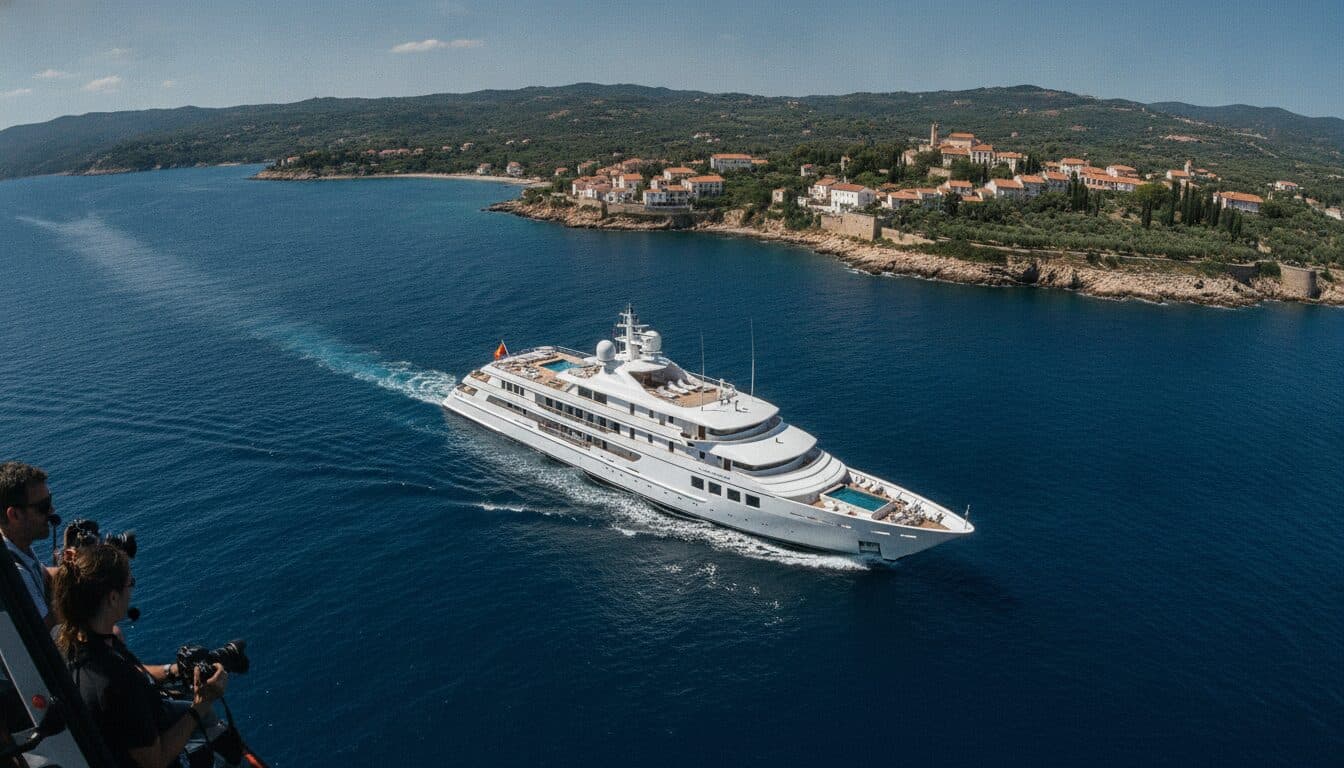
A US travel warning for a breathtaking vacation destination has sent ripples through the global tourism sector, particularly impacting the luxury and experiential travel markets. The advisory, issued on Thursday, May 7, 2026, by the United States, cites a surge in crime and unrest in what is widely recognized as a highly sought-after locale. This development raises immediate concerns for tour operators, airlines, and hospitality providers who cater to American travelers, often a significant demographic for such picturesque locales.
The Story: Unrest in Paradise
The United States government has formally issued a travel warning, advising its citizens to reconsider or avoid travel to a specific, unnamed breathtaking vacation destination. The core of this advisory stems from a reported surge in crime and civil unrest within the country. While the Fox News report on May 7, 2026, does not name the destination, its description as a ‘breathtaking vacation destination’ implies a location renowned for its natural beauty, potentially coastal resorts, scenic landscapes, or cultural heritage sites that typically attract a high volume of international tourists seeking leisure and relaxation. The absence of specific details regarding the nature of the crime and unrest, beyond the general ‘surge,’ leaves the industry speculating on the exact threats, ranging from petty theft to more serious security concerns.
Impact Analysis of Travel Warnings
The issuance of a US travel warning, particularly for a popular breathtaking vacation destination, carries significant weight in the travel and tourism industry. American travelers often represent a substantial portion of international tourism revenue for many countries. A formal advisory can lead to immediate cancellations, a sharp decline in future bookings, and substantial financial losses for local economies heavily reliant on tourism. Airlines may reduce or cancel routes, tour operators might divert packages to alternative locations, and hotels could face plummeting occupancy rates. This creates a ripple effect, impacting not just direct tourism businesses but also ancillary services like local transport, restaurants, souvenir shops, and cultural attractions. The perception of safety is paramount in travel, and such warnings severely erode traveler confidence, often taking considerable time and concerted effort to rebuild.
“The immediate aftermath of a US travel warning for a popular destination is almost always a significant downturn in bookings. Rebuilding trust and demonstrating improved safety can be a long and arduous process for the affected country’s tourism board and private sector stakeholders,”
said a senior analyst at The Financial Standard, specializing in travel & tourism articles. The economic ramifications extend beyond the immediate financial losses, potentially deterring foreign investment in the tourism infrastructure of the affected region.
Context and Background: A Recurring Challenge
Travel warnings are not uncommon, but their impact varies greatly depending on the destination’s popularity and the severity of the advisory. Historically, regions experiencing political instability, natural disasters, or significant crime spikes have faced similar challenges. The tourism industry has developed various strategies to mitigate these impacts, from enhanced security measures and public relations campaigns to diversification of source markets. However, for a breathtaking vacation destination, the allure is often tied to a sense of escapism and tranquility, which is directly threatened by reports of crime and unrest. Previous instances have shown that even a temporary dip in tourism can have lasting effects on local employment and economic stability, particularly in developing nations where tourism is a primary driver of GDP. The current situation highlights the inherent vulnerabilities of an industry susceptible to geopolitical shifts and internal security challenges.
What’s Next: Rebuilding Trust and Security
The immediate future for this breathtaking vacation destination will likely involve intense efforts from its government and tourism bodies to address the underlying issues of crime and unrest. This could include increased security presence, targeted law enforcement operations, and public communication campaigns aimed at reassuring potential visitors. For the US government, such warnings are periodically reviewed and updated based on evolving conditions. The speed at which the destination can demonstrate a tangible improvement in security will be critical to the lifting or downgrading of the advisory. International travel agencies and airlines will closely monitor these developments, making decisions on route resumptions and package offerings based on official advisories and on-the-ground intelligence. The long-term implications could see a shift in traveler demographics or a re-evaluation of security protocols across similar destinations.
Key Takeaway: The Fragility of Tourism
This US travel warning serves as a stark reminder of the inherent fragility of the global tourism industry. Even the most breathtaking vacation destination is susceptible to external and internal pressures, particularly those related to safety and security. For investors and businesses within the travel sector, it underscores the importance of risk assessment, diversification, and the ability to adapt swiftly to changing geopolitical landscapes. The incident highlights how critical a stable and secure environment is for sustaining a vibrant tourism economy, and how quickly that stability can be undermined, impacting livelihoods and national revenues across the globe. The broader implications call for a deeper understanding of the interplay between national security, economic stability, and the perception of safety in an increasingly interconnected travel world. For more insights on global travel risks, explore our latest travel and tourism analysis.