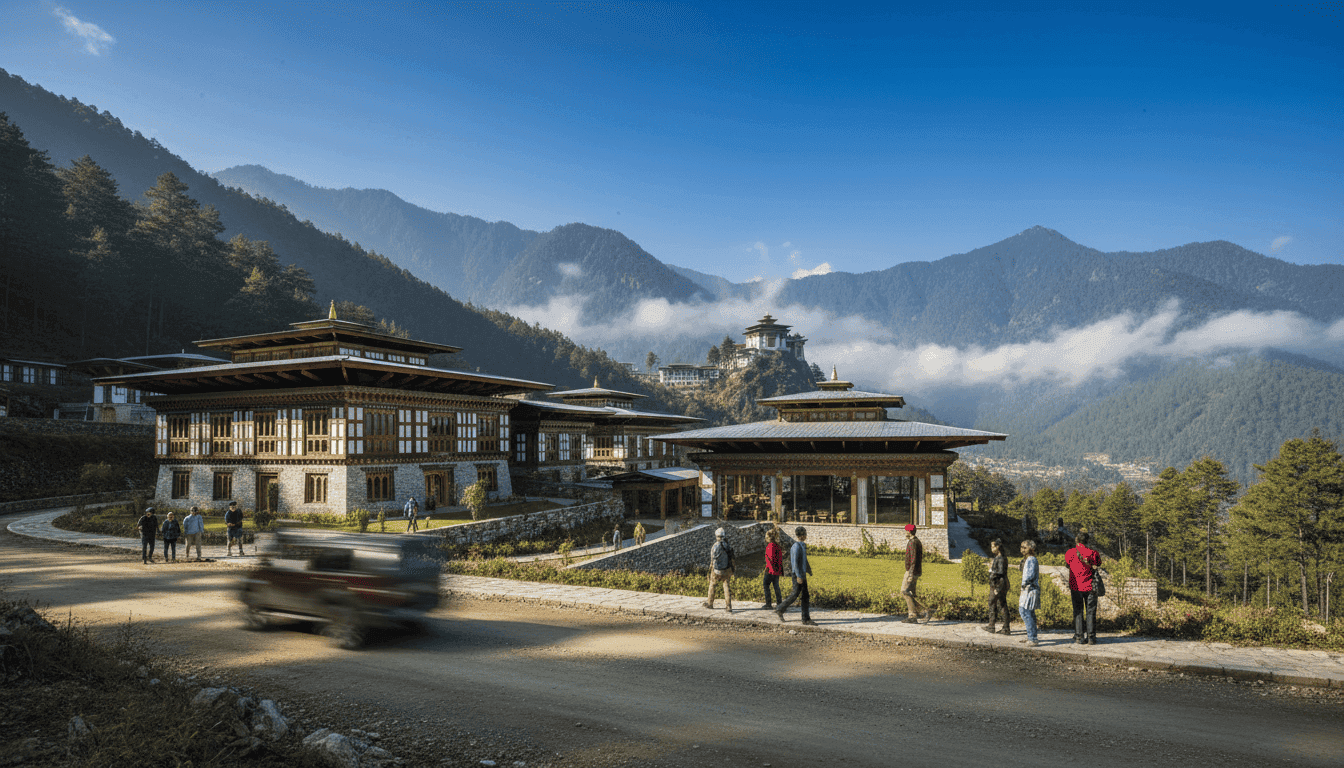
The Bhutan TUI Blue Hotel opening marks a significant milestone in luxury and sustainable tourism, as TUI Hotels & Resorts proudly announces the launch of Bhutan’s first TUI Blue hotel in Paro Taktsang. This groundbreaking development, revealed on Wednesday, April 8, 2026, signals a new era for the Himalayan kingdom’s hospitality sector, integrating global luxury standards with Bhutan’s deep commitment to high-value, low-impact tourism.
The Story: A Strategic Himalayan Venture
TUI Hotels & Resorts, a global leader in leisure travel, has made a decisive move into the niche market of sustainable luxury with its inaugural property in Bhutan. The TUI Blue hotel, strategically located in the iconic Paro Taktsang region, is not just a new accommodation option but a statement of intent. It represents the first foray of the TUI Blue brand into a country renowned for its ‘Gross National Happiness’ philosophy and stringent tourism policies. This venture is poised to offer discerning travelers an authentic yet upscale experience, blending modern comforts with the serene spiritual landscape of Bhutan.
The choice of Paro Taktsang, home to the revered Tiger’s Nest Monastery, underscores the hotel’s commitment to cultural immersion and breathtaking natural beauty. This location positions the TUI Blue hotel as a gateway for exploring Bhutan’s rich heritage and pristine environment, appealing to visitors seeking both adventure and tranquility.
Impact Analysis: Redefining Sustainable Luxury
The introduction of the Bhutan TUI Blue Hotel is set to have a profound impact on the broader travel and tourism landscape, particularly within the luxury and sustainable segments. Bhutan’s long-standing ‘high value, low volume’ tourism policy has traditionally limited mass tourism, making this TUI Blue entry a carefully considered expansion. This move by a major international brand like TUI suggests a growing confidence in Bhutan’s unique tourism model and its potential to attract a premium clientele.
This development could serve as a blueprint for other international hospitality groups looking to enter destinations with strong sustainability mandates. It demonstrates that luxury and environmental stewardship are not mutually exclusive but can be harmoniously integrated. The hotel’s operation will undoubtedly be scrutinized for its adherence to Bhutanese environmental standards, potentially setting new benchmarks for eco-luxury in the region.
“The opening of Bhutan’s first TUI Blue hotel represents a pivotal moment, showcasing how global luxury brands can align with and even enhance a nation’s sustainable tourism ethos, offering a model for responsible growth in unique destinations,” said an industry analyst.
Context & Background: Bhutan’s Unique Tourism Trajectory
Bhutan has always carved a distinctive path in global tourism. Unlike many nations that prioritize visitor numbers, Bhutan has steadfastly focused on quality over quantity, implementing a daily sustainable development fee (SDF) to fund free education, healthcare, and environmental conservation. This approach has preserved the country’s pristine environment and vibrant culture, making it an aspirational destination.
The entry of TUI Blue, a brand known for its focus on authentic local experiences and contemporary design, aligns well with Bhutan’s evolving tourism strategy. While maintaining its core principles, Bhutan has also shown a willingness to selectively partner with international brands that can elevate its offering without compromising its values. This TUI Blue hotel marks a significant step in that direction, diversifying accommodation options beyond traditional guesthouses and local resorts, while still aiming to attract visitors who appreciate and contribute to the country’s unique philosophy. Related travel & tourism articles highlight similar shifts in other niche markets.
What’s Next: Future Implications for Himalayan Tourism
The success of the Bhutan TUI Blue Hotel opening will likely influence future investment decisions in the Himalayan region and other high-value, low-volume destinations. Should this venture prove profitable and sustainable, it could encourage other international hotel chains to explore similar opportunities in Bhutan and neighboring countries with rich cultural and natural assets. This could lead to an increase in high-end tourism infrastructure, potentially boosting local economies while maintaining environmental and cultural integrity.
Future decisions will undoubtedly focus on balancing increased tourism capacity with Bhutan’s foundational commitment to sustainability. The TUI Blue model, emphasizing local engagement and environmentally conscious practices, will be a critical test case. There’s also potential for expanded air connectivity and enhanced local tourism services to support this new wave of luxury travelers.
Key Takeaway: A Paradigm Shift in Responsible Travel
The Bhutan TUI Blue Hotel opening is more than just a new property; it signifies a paradigm shift in how international luxury travel can integrate with deeply committed sustainable practices. It underscores the growing demand for authentic, high-quality experiences that respect local cultures and environments. This venture by TUI Hotels & Resorts in Paro Taktsang sets a compelling precedent for the future of responsible tourism, demonstrating that economic growth and environmental preservation can indeed go hand-in-hand, paving the way for a more thoughtful and impactful global travel industry. Explore more on sustainable travel trends.