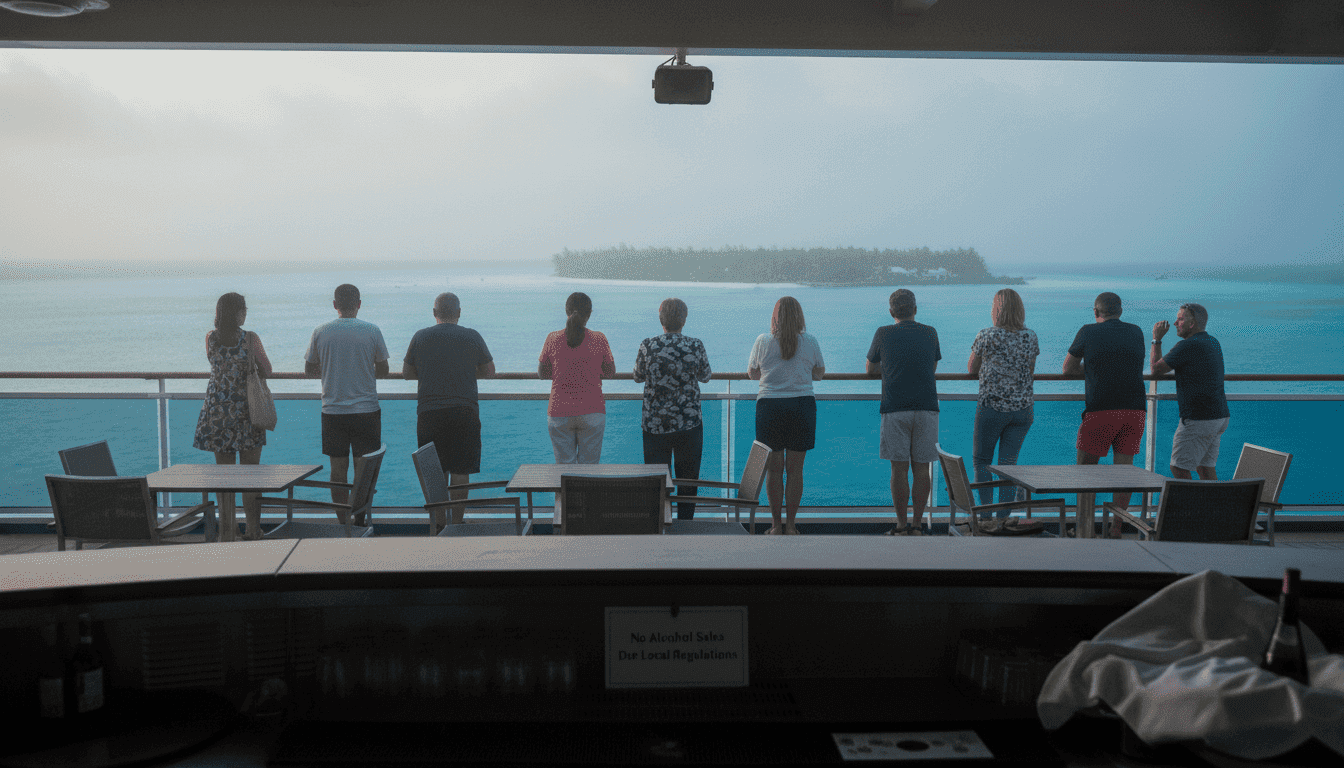
Bahamas alcohol sales ban has sparked significant disruption across the nation’s vital cruise tourism sector, impacting resorts, hotels, and popular island visitor hotspots. The unexpected restrictions, implemented in response to nationwide election regulations, have cast a shadow over the usually vibrant Bahamian hospitality industry, leading to confusion and operational challenges for businesses reliant on visitor spending.
The Bahamian government’s decision to prohibit alcohol sales, announced on Tuesday, May 12, 2026, is directly linked to an upcoming nationwide election. While such measures are not entirely unprecedented during electoral periods, the timing and scope of this particular ban have caught many in the tourism industry off guard. Major cruise lines, which frequently route itineraries through the Bahamas, are now grappling with the implications for their passengers, who often anticipate unrestricted access to alcoholic beverages as part of their vacation experience. Similarly, onshore resorts and hotels, a cornerstone of the Bahamian economy, face immediate revenue losses and the complex task of managing guest expectations.
Impact Analysis
The immediate impact of the Bahamas alcohol sales ban is multifaceted. For cruise operators, the inability to sell alcohol during port calls in the Bahamas or even, potentially, while in Bahamian waters, represents a direct hit to onboard revenue streams. Furthermore, passenger satisfaction could decline, potentially affecting future bookings and the Bahamas’ reputation as a premier cruise destination. On land, hotels and resorts are seeing a drop in bar and restaurant sales, crucial components of their profit margins. Local businesses, from beachfront bars to liquor stores, are also experiencing a severe downturn, threatening livelihoods across the islands. This disruption extends beyond mere sales, affecting the entire visitor experience and the perception of the Bahamas as a carefree holiday destination. The lack of clarity surrounding the duration and precise enforcement of the ban has only exacerbated the uncertainty.
“The sudden imposition of alcohol sales restrictions without clear guidance creates an immediate and tangible economic hit for our partners in the Bahamas and raises questions about future stability for tourism operators,” an industry analyst noted.
The broader travel and tourism landscape is highly sensitive to such regulatory changes. Destinations like the Bahamas compete fiercely for tourist dollars, and any perceived inconvenience or restriction can quickly deter visitors. Cruise lines, in particular, have flexible itineraries and can re-route ships to alternative ports if a destination becomes less appealing due to such bans. This puts significant pressure on the Bahamian authorities to mitigate the negative fallout and provide clearer communication.
Context & Background
The Bahamas has long been a jewel in the crown of Caribbean tourism, particularly for the cruise industry. Its proximity to the United States, stunning beaches, and established tourism infrastructure make it a perennial favorite. The nation’s economy is heavily reliant on tourism, which accounts for a substantial portion of its GDP and employment. Electoral periods in many countries often come with temporary restrictions, including on alcohol sales, aimed at maintaining public order and decorum. However, the unique position of the Bahamas as a global tourism hub means that such domestic policies have outsized international consequences. Previous instances of temporary restrictions, while perhaps not as impactful, have always been a point of consideration for the industry. Related travel & tourism articles often highlight the delicate balance between domestic policy and international visitor expectations.
What’s Next
The immediate future hinges on the duration and enforcement of the Bahamas alcohol sales ban. The tourism industry will be closely watching for any official statements clarifying when the restrictions will be lifted or if any exemptions will be made for specific tourist zones or licensed establishments. Cruise lines may adjust their port calls or even offer compensation to passengers if the disruption is prolonged. Onshore businesses will lobby the government for support and clarity, hoping to minimize long-term damage. The upcoming election itself will be a critical determinant, as its outcome could influence future regulatory approaches to tourism. The industry will also assess the long-term impact on brand perception and whether this incident will lead to a re-evaluation of the Bahamas as a reliable, unrestricted destination for international travelers.
Key Takeaway
The Bahamas alcohol sales ban serves as a stark reminder of the intricate relationship between domestic politics and the global travel and tourism industry. For a nation so heavily dependent on international visitors, even temporary regulatory changes can have profound economic and reputational consequences. The incident underscores the need for clear, proactive communication from governments to prevent confusion and mitigate disruption, especially in sectors as sensitive and competitive as cruise tourism. The ability of the Bahamas to navigate this challenge effectively will be crucial in maintaining its standing as a premier destination in the highly competitive Caribbean market.